


Fly & Drive Green Poland
10 days / 9 nights
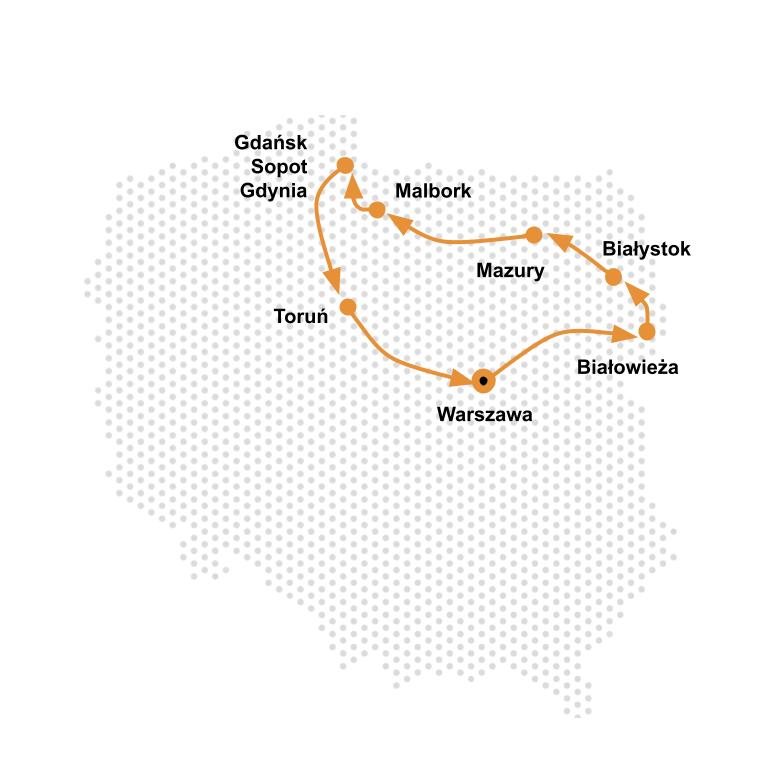
Discover Poland with this 10-day route that allows you to discover the rich history of Poland, its fantastic cities, fairytale, colourful towns and its impressive landscapes.
| Day 1 | > Warsaw |
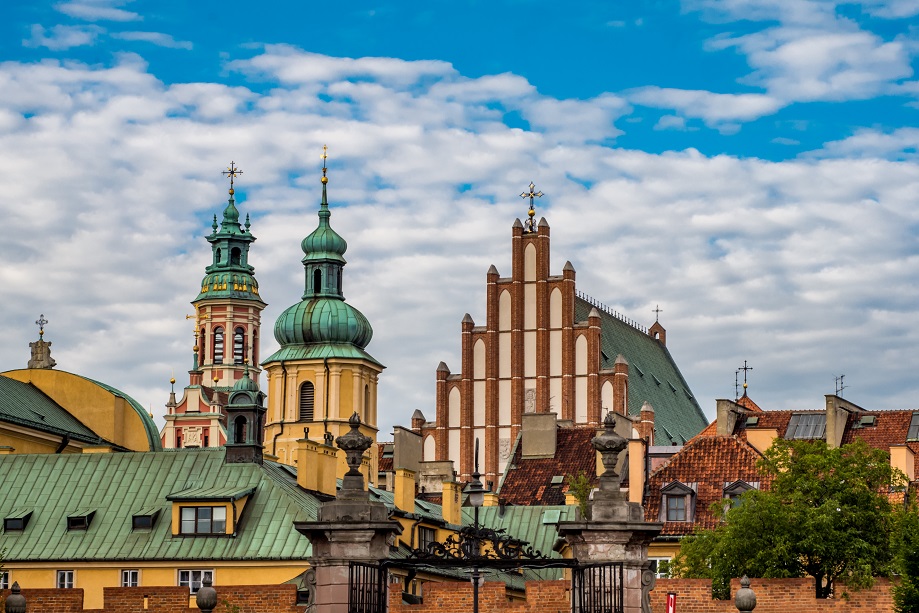
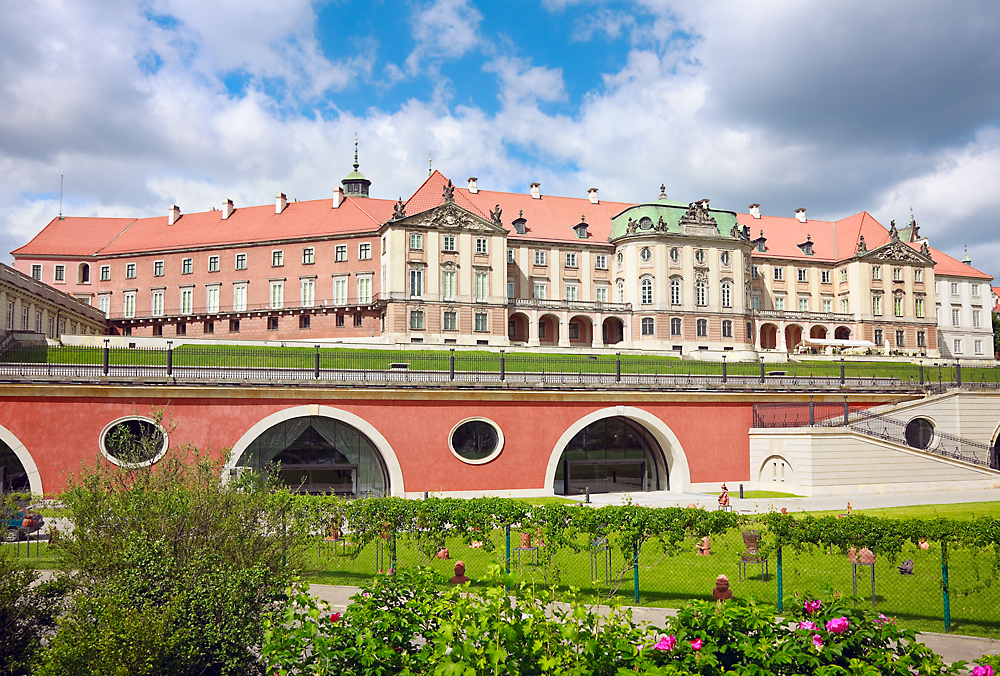


Welcome to Poland !
Arrival to Warsaw. Transfer to the hotel and check-in.
Accommodation in a centrally located hotel in Warsaw.
| Day 2 | > Warsaw |


Breakfast at your hotel.
Visit Warsaw – the capital city of Poland. During this tour, we will visit the most important spots in the city and will have an opportunity to become acquainted with the sometimes tragic past of Warsaw and the history of Poland. We will start our tour by visiting the Old Town, which is a UNESCO World Heritage Site and the New Town. We will continue our journey to Krasinski Palace, the Supreme Court building and the Warsaw Uprising Monument. After that, we will go to the Lazienki Royal Park where we will see the famous monument dedicated to Frederic Chopin where we will have an opportunity to relax in the beautiful rose garden and among the dazzling natural elements of the park. You will truly forget that you are in a major European Capital City.
Free time.
In the evening we invite you for a Chopin Concert. Nestled in the cobblestone streets of the Old Town of Warsaw stands a unique neoclassical concert hall with original “plaster stucco” walls, crystal mirrors, and stylish nineteenth century decorations. As you walk through the doors, you will step into the era of Chopin for a two-part ensemble of Chopin’s greatest pieces played by internationally recognized pianists. During the intermission, you will be invited to a glass of sparkling wine, orange juice, or water. This concert is both a perfect start and/or finishing touch to a romantic evening in the Old Town. If you are starting your night with the concert, you may choose to end it in one of the many restaurants that our beautiful old town has to offer.
Accommodation in a centrally located hotel in Warsaw.
| Day 3 | > Warsaw > Bialowieza |

Breakfast at your hotel.
Collection of the rental car at the hotel. Departure towards Bialowieza.
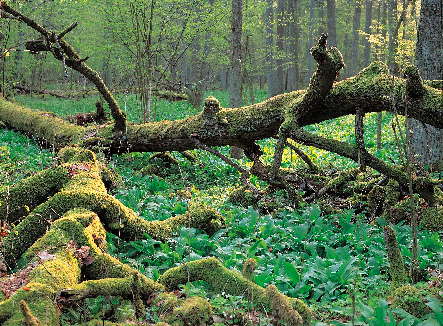
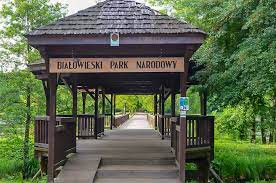
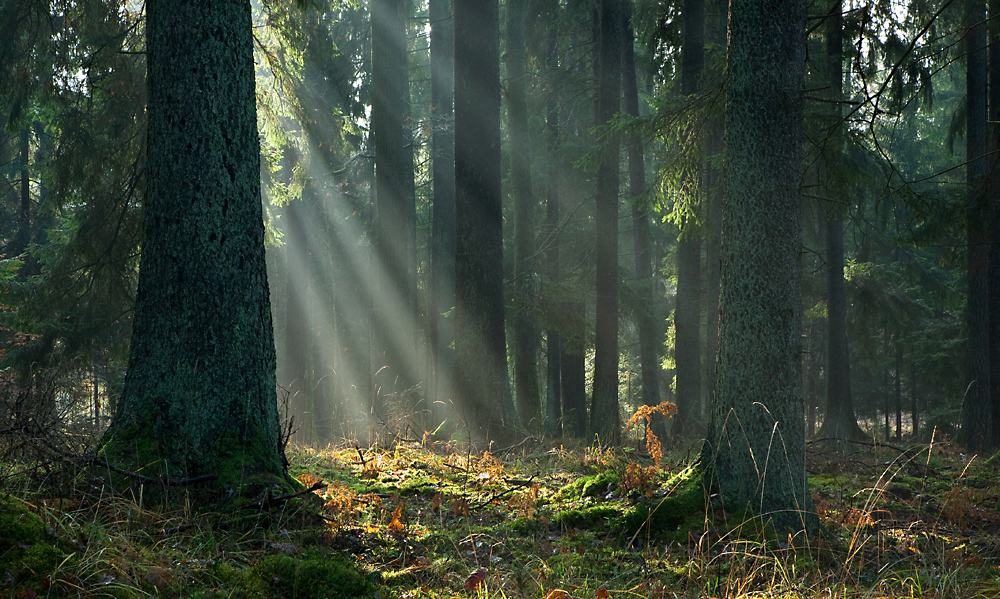
Bialowieza National Park – The king of national parks in Poland and in Europe is Białowieża National Park. It is not only one of the oldest on the continent (created in 1932), but also the only place where the European bison lives in freedom (it currently has more than 300 copies) and where it is conserved, in strict reserve, the called primitive forest, part of the park that has not been altered for 400 years by human activity.
Entrance to the Natural History Museum of Bialowieza National Park.
Accommodation in a centrally located hotel in Bialowieza.
| Day 4 | > Bialowieza > Kruszyniany > Tykocin > Białystok |




Breakfast at your hotel.
Departure in the direction of the Podlasie region.
A part of the Podlasie region is known as the Land of Open Shutters. The villages are inhabited by indigenous Podlasie people, mostly Orthodox, who identify themselves as a Belarusian minority. The inhabitants use the Podlasie dialect on a daily basis, which is slowly disappearing. This place is famous mainly for the ornamentation of wooden houses. The colorful shutters, richly decorated gables and gabled house corners, porches and manicured farmhouses, which are unique in other parts of the country, reflect the spatial arrangement of Queen Bona’s times. All this is immersed in the silence and greenery of gardens with hollyhocks, asters and peonies.
Continue to Kruszyniany.
Kruszyniany is a town located on the Tatar Way. It is mainly characterized by the cultural and religious diversity of the inhabitants, but also by the beauty of the surroundings. Here is an opportunity to try unusual Tatar cuisine in a local restaurant. The main attractions of Kruszyniany are the mosque and the mizar, the Tatar cemetery. The mosque dates back to the 18th century, but its history dates back to King Jan III Sobieski. The building is preserved in excellent condition, you can also visit its interior.
Transfer to Bialystok with stopover in Tykocin
Tykocin is, a charming city with a special atmosphere. Today it looks exactly like before World War II. One can still admire king’s castle, 18th century monastery and church, astonishing 17th century synagogue as well as wooden houses more than 100 years old. The Jewish community was formed here in 16th century and it constituted a great cultural center, becoming one of the largest Jewish communities in Poland. The synagogue of Tykocin is the second largest synagogue in Poland after that one in Krakow.
Continue to Bialystok.
Accommodation in a centrally located hotel in Bialystok.
| Day 5 | > Bialystok > Masuria region |


Breakfast at your hotel.
Bialystok is the largest city in the region of north-eastern Poland. It is surrounded by a beautiful natural area called the Green Lungs of Poland which is full of tourist attractions. The location nearby Lithuania and Belarus had a significant influence on the historical and present functioning of the city itself and the entire Podlasie region. Many different cultures, religions and nationalities have lived here for centuries. During a sightseeing you could have a chance to see Branicki Palace , the most valuable monument of Bialystok, also known as the Versailles of Podlasie, the Old Market area and the Town Hall.
Depart to Masurian region.
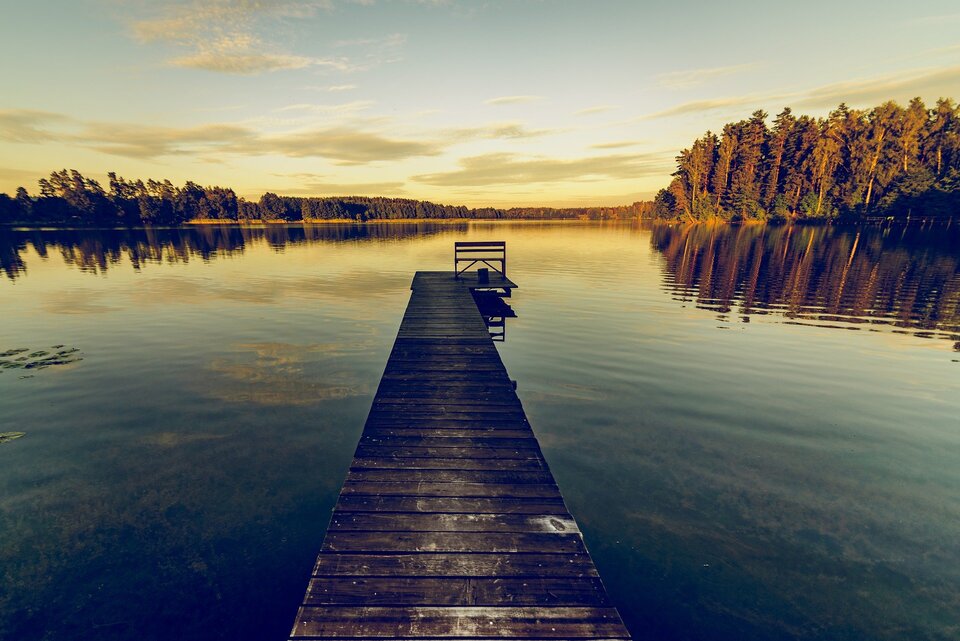
Beautiful Masuria region is boasting of more than 2600 lakes and beautiful nature. Wind and wild aquatic birds make more of a ruckus here than people. This is a perfect place for your rest.
Accommodation in a centrally located hotel in one of the Masurian cities.
| Day 6 | > Masuria region |
Breakfast at your hotel.
Free day to discover the beautiful region of the lakes.
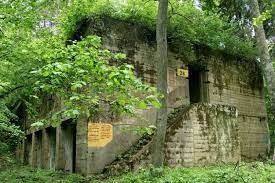
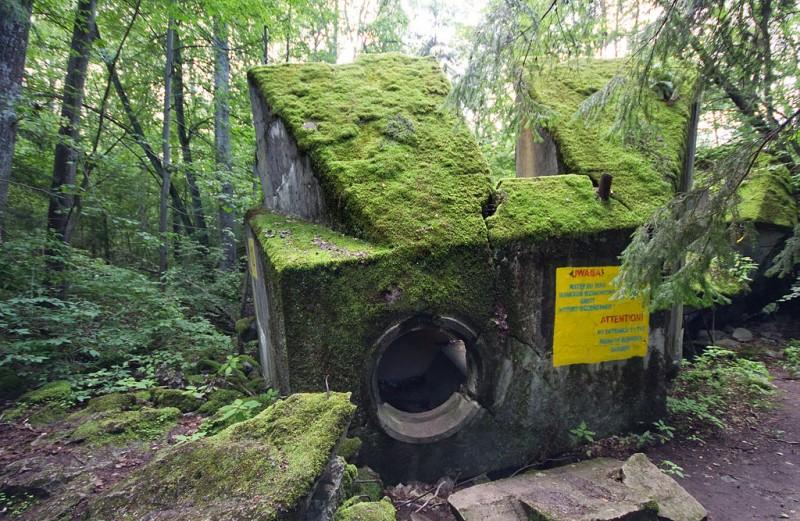
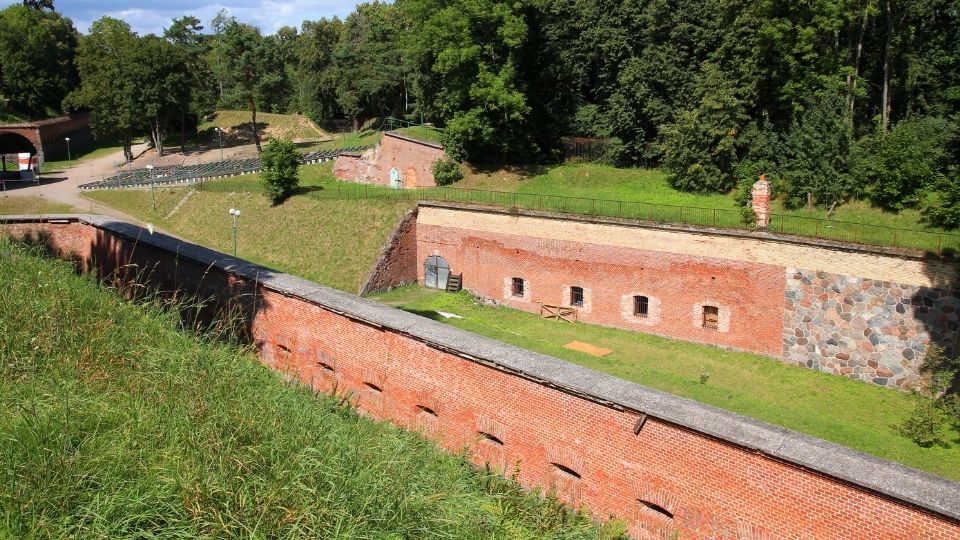
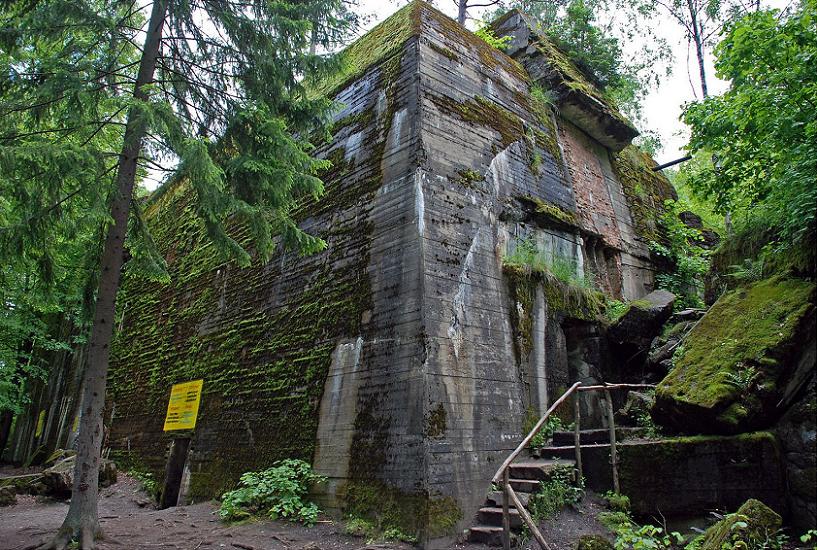
Wolf’s Lair was the Adolf Hitler’s Headquarters built in 1941 in the middle of Masurian forest to facilitate planned German invasion on Russian Soviet Union and coordinate warfare on new eastern front. It was the place where many important strategic decisions were made by German dictator and his top generals. Here in 1944 famous, failed assassination attempt on Hitler, carried out by Claus von Stauffenberg took place. Wolf’s Lair complex which consisted of barracks, airports, railway station, power station etc, was destructed in 1945 but its impressive ruins are today available for sightseeing. It is a perfect tour for those who want to learn more about the history of World War 2 and experience something unique.
Accommodation in a centrally located hotel in one of the Masurian cities.
| Day 7 | > Masuria region > Malbork > Gdansk |


Breakfast at your hotel.
Depart for Malbork.
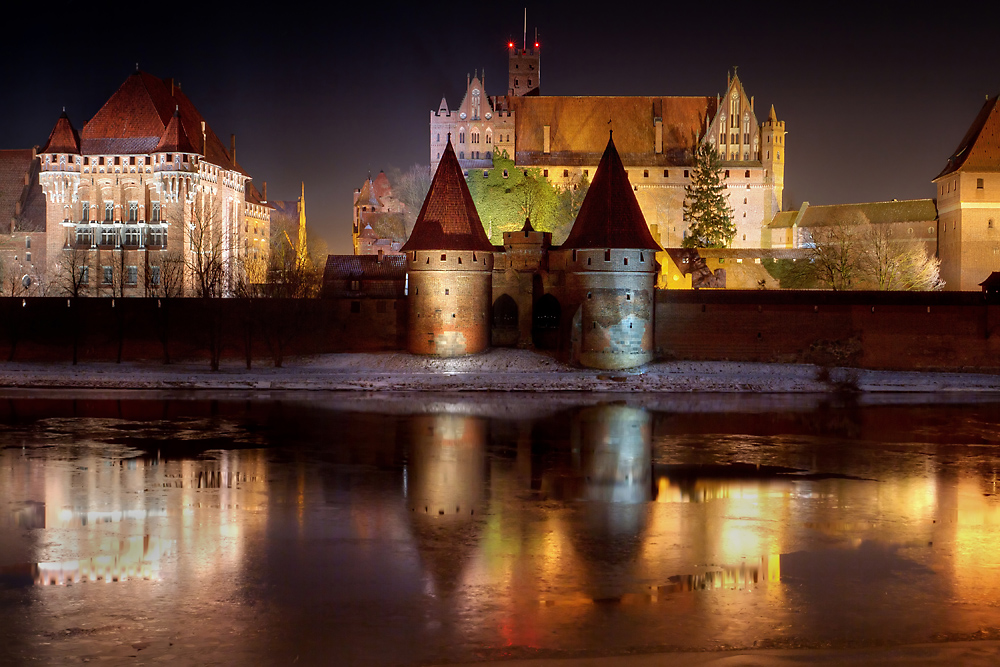
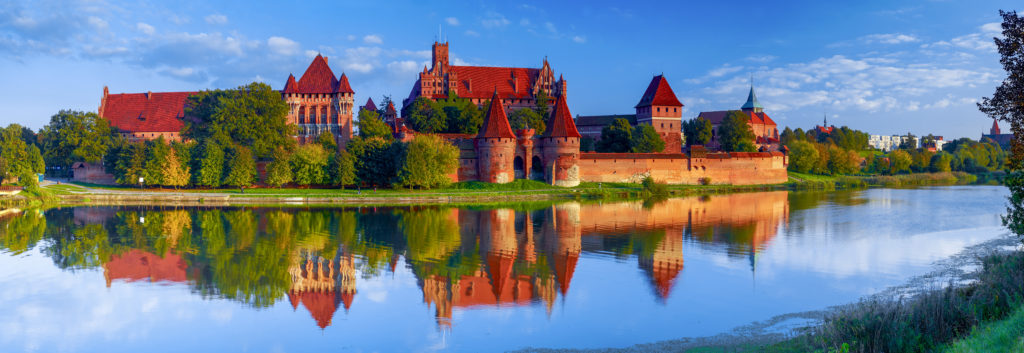
Malbork Castle is the medieval capital of the Teutonic Order in Eastern Europe. You will have a guided visit to the biggest red brick gothic castle in the world which earned it the title of being a “UNESCO World Heritage Site”. This is not only your chance to admire beautiful architecture, but also to experience what life was like in the past, see their technology, and an antique collection of arms. The Castle’s cellars also host the “History of Amber” exhibition presenting an astounding collection of Baltic Sea amber including jewelry, and other products made out of amber.
Continue to Gdansk.
Accommodation in a centrally located hotel in Gdansk.
| Day 8 | > Gdansk > Gdynia > Sopot > Gdansk |

Breakfast at your hotel.
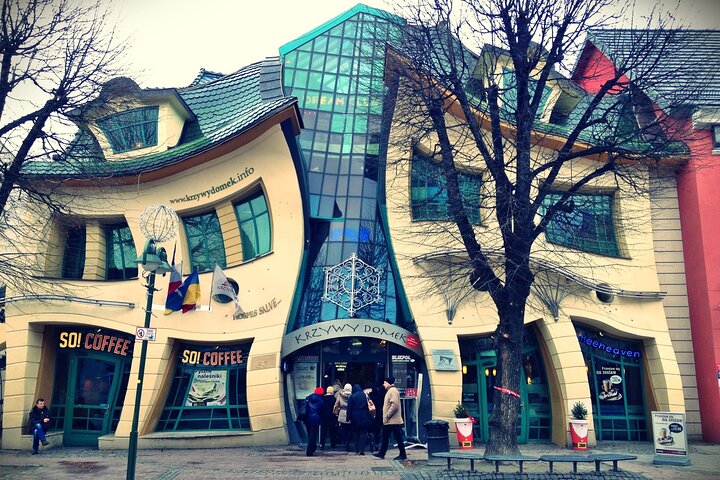
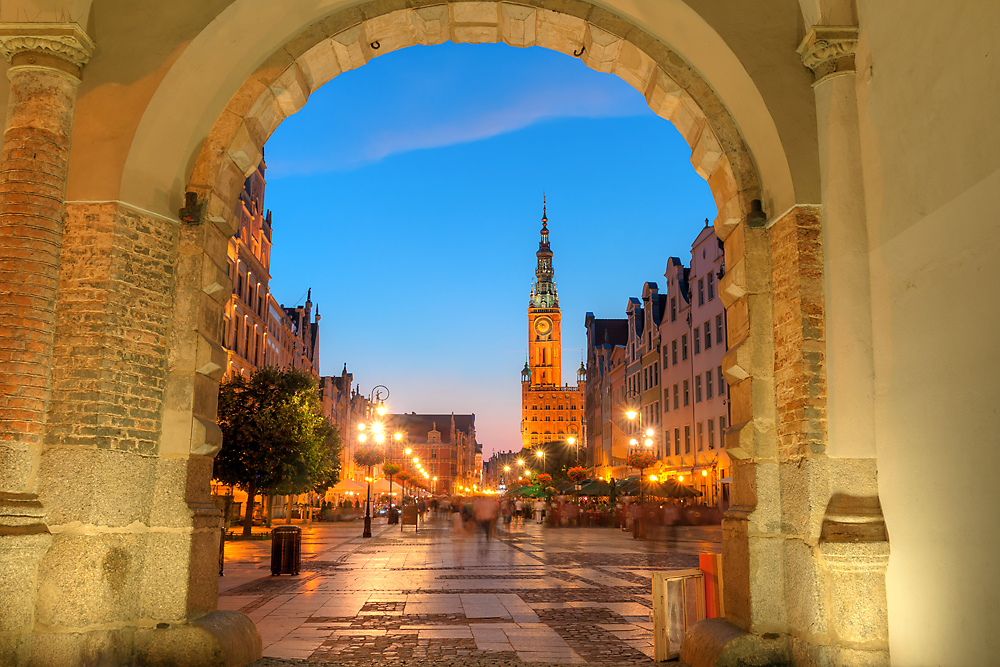
The charm of Old Town Gdansk attracts millions of tourists each year. We will start by taking a walk down Długa Street, which is one of the most beautiful European markets that is nestled around a dazzling selection of renaissance buildings. It leaves from the Golden Gate and passes by the Town Hall, Neptune fountain, Arthur’s Court and finishes by the Green Gate overlooking the Motława River. On a way you may visit The Museum of Arthur’s Court and the Amber Chamber at which point, you will see an amber polishing demonstration with a short lecture on amber. The tour continues to the Old Crane, which happens to be one of the most popular symbols of the city. After that, the tour finishes at the church of St Mary, Europe’s biggest gothic brick church.
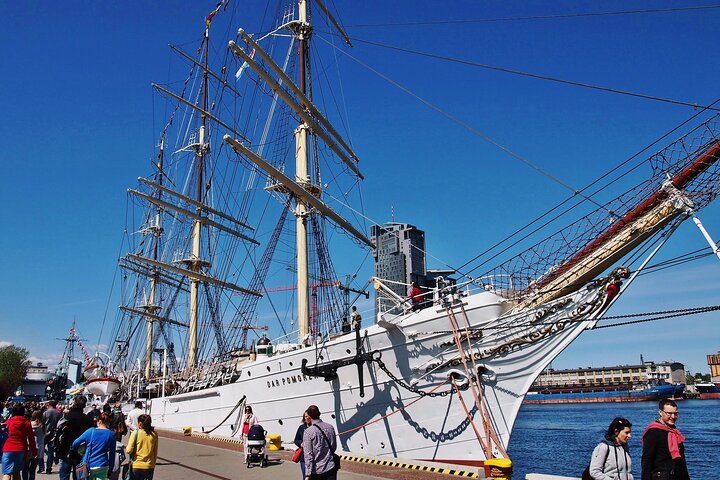
Later you can visit Oliwa Cathedral, the longest Cistercian church in the world, which is famous for its organs and organ concert. Transfer to Gdynia harbor and visit the sail powered ship “Dar Pomorza” and transfer to Sopot seaside resort. Once we arrive, you can walk along the longest wooden pier in Europe.
Accommodation in a centrally located hotel in Gdansk.
| Day 9 | > Gdansk > Torun > Warsaw |


Breakfast at your hotel.
Departure in the direction of Torun.
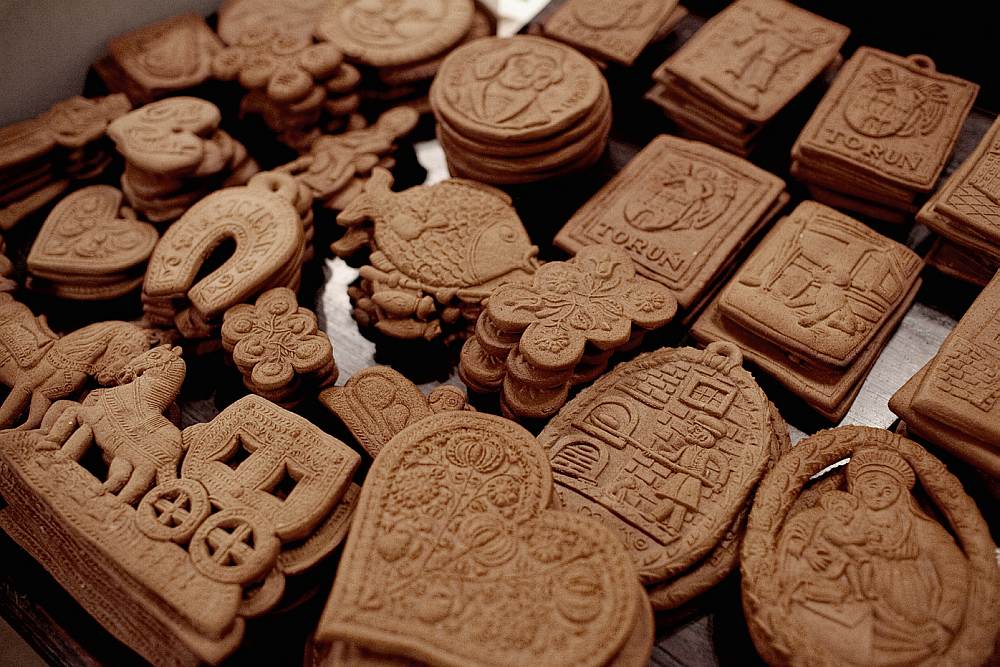
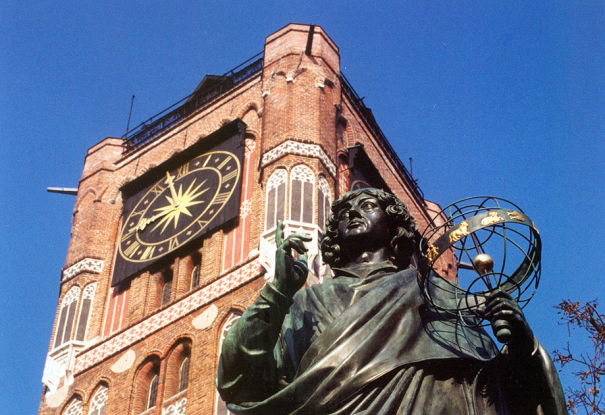
Visit Torun, the best example of medieval gothic town (UNESCO Heritage) and birthplace of great Polish astronomer Nicolaus Copernicus who made a crucial discovery that the Earth is not the centre of universe. During the walk along the Old Town we would visit the Copernicus House and the Cathedral with a bell tower offering a splendid view over the city. Time for a souvenir hunt could be a chance to try gingerbread – a speciality the city is famous for, that is baked according to old recipes and methods dating back to the 16th century.
Continue to Warsaw.
Accommodation in a centrally located hotel in Warsaw.
| Day 10 | > Warsaw |


Breakfast at your hotel.
Transfer to the airport in Warsaw.
END of SERVICES.
Contact us
If you want us to prepare a special trip for you, please write us specifying all your requirements. We will be happy to answer.
Fly & Drive Green Poland – a complete self-drive journey combining independence, structure, and access to Poland’s most authentic regions
If you want to explore Poland beyond standard city tours while still maintaining a clear and well-structured travel plan, this fly & drive program offers the most balanced solution. It combines the freedom of independent travel with the security of a professionally designed itinerary, allowing you to experience both major destinations and lesser-known regions without logistical stress.
Instead of following a fixed group schedule, you move through the country at your own pace, using a carefully planned route that reflects real travel conditions. Every destination, distance, and overnight stay is selected based on operational experience, ensuring that the journey feels natural, efficient, and comfortable from start to finish.
This is not a random road trip. It is a structured, experience-driven journey designed by specialists who understand how travelers actually move through Poland.
What makes a fly & drive itinerary more effective than fully guided or fully independent travel?
Travelers often face a trade-off between convenience and freedom. Fully guided tours offer structure but limit flexibility, while independent travel offers freedom but requires complex planning.
A fly & drive itinerary removes this trade-off.
You receive:
- a complete route designed by experts
- pre-arranged accommodation in key locations
- a rental car that gives you full mobility
- a logical sequence of destinations aligned with real travel flow
At the same time, you keep control over:
- how long you stay at each location
- what you visit during the day
- how intensively you explore each region
This hybrid model is particularly effective for countries like Poland, where distances between regions are significant and public transport does not always support flexible exploration.
The concept of “Green Poland” – what you actually experience along the route
This program is built around the idea of showing a different side of Poland – one that goes beyond the most visited urban destinations.
“Green Poland” refers to:
- natural landscapes and protected areas
- regions with lower tourist density
- cultural diversity shaped by history and geography
- slower, more authentic travel environments
Instead of focusing only on cities, the itinerary integrates places where nature and local identity play a central role in the experience.
A route designed for real travel, not theoretical planning
One of the biggest mistakes in self-planned road trips is underestimating distances and overloading the itinerary.
This program avoids that by using a route that has been tested in real conditions.
The journey is structured so that:
- daily driving times remain realistic
- transitions between regions are smooth
- key stops are positioned along natural travel paths
- you avoid unnecessary backtracking
This results in a journey that feels continuous and intuitive, rather than fragmented or exhausting.
From Warsaw to the wild – how the journey evolves day by day
The experience begins in Warsaw, where you are introduced to modern Poland and its historical background. This initial stage provides context that helps you understand the rest of the journey.
As you leave the capital, the environment gradually changes.
You move toward eastern Poland, where landscapes become more open and less urbanized. Białowieża Forest introduces one of the last remaining primeval forests in Europe, offering a completely different atmosphere compared to city environments.
Further along the route, Podlasie reveals a unique mix of cultures, traditions, and religious influences that are rarely visible in more central regions. This is one of the most distinctive parts of the itinerary, where Poland’s diversity becomes clearly noticeable.
The journey then transitions toward Masuria, a region defined by lakes, forests, and open space. Here, driving becomes part of the experience itself, not just a means of transport.
Finally, northern Poland introduces coastal influences and historical cities, adding another layer to the overall journey.
Driving as part of the travel experience, not just transport
In this itinerary, driving is not a limitation – it is an integral part of the experience.
You are not restricted to fixed schedules or group timelines. Instead, you can:
- stop in places that are not included in standard tours
- adjust your pace depending on your energy and interests
- explore scenic routes that are not accessible by public transport
- experience transitions between regions in a more natural way
This creates a stronger connection with the country and its landscapes.
Infrastructure, safety, and comfort on the road
Poland’s road network allows for comfortable long-distance travel, even for visitors who are not familiar with the country.
During the journey, you can expect:
- modern highways connecting major regions
- well-maintained regional roads in rural areas
- clear signage and navigation systems
- easy access to fuel stations and services
Driving conditions are predictable and suitable for international travelers, making this type of program accessible even for those without prior experience in Poland.
Cultural depth beyond standard tourist routes
Although the program emphasizes independence, it does not reduce the depth of the experience.
Along the route, you encounter:
- historical cities with preserved architecture
- regions shaped by different cultural influences
- local traditions that vary significantly between areas
- landmarks that provide insight into Poland’s past and identity
This combination ensures that the journey is both visually engaging and intellectually meaningful.
Accommodation strategy and travel flow optimization
Accommodation is not selected randomly. Each overnight stay is positioned to support the overall structure of the journey.
Locations are chosen to:
- reduce unnecessary driving distances
- provide access to key attractions
- maintain a logical progression between regions
- ensure comfort after longer travel days
This level of planning is essential in multi-day road trips, where poor accommodation placement can disrupt the entire experience.
Who should choose a fly & drive program?
This type of itinerary is best suited for travelers who:
- want flexibility without losing structure
- enjoy driving and independent exploration
- prefer to avoid group travel
- are interested in both nature and culture
- want to reach regions that are not easily accessible otherwise
It is particularly effective for travelers who want to experience more than just the most obvious destinations.
When is the best time to travel through “Green Poland”?
The timing of the trip significantly affects the experience.
Spring and early autumn offer the best balance between weather conditions and travel comfort. Summer provides longer days and more vibrant surroundings, especially in lake regions. Autumn introduces a more atmospheric landscape, particularly in forest areas.
Because this itinerary includes both cities and natural environments, seasonal variation plays an important role in how the journey feels.
How to choose this itinerary over other travel formats
If you are deciding between a classic guided tour and a fully independent trip, this format offers a clear middle ground.
Choose this program if:
- you want expert-level route planning without giving up flexibility
- you want to avoid the risks of poorly structured independent travel
- you want access to regions beyond major tourist routes
- you prefer a more personal and adaptable travel experience
This is one of the most efficient ways to explore a country that combines urban centers with large natural areas.
Why this format is becoming increasingly popular among international travelers
Modern travelers expect more control over their journeys while still valuing reliability and structure.
Fly & drive programs respond to this shift by:
- combining independence with professional planning
- reducing pre-trip workload
- increasing on-trip flexibility
- offering access to less crowded destinations
As a result, they are becoming one of the preferred formats for exploring countries like Poland.
FAQ
Do I need experience driving in Europe to take this tour?
No, driving conditions in Poland are accessible and suitable for international travelers, even without prior experience in the region.
Is the itinerary fixed or flexible?
The route is predefined, but your daily activities and pace remain fully flexible.
What happens if I want to modify the route during the trip?
You can adjust your schedule locally, but the main route is designed to ensure the best overall travel flow.
Is this program suitable for couples or families?
Yes, it is suitable for both, especially for those who value independence and comfort.
Are natural areas easily accessible by car?
Yes, one of the main advantages of this program is access to regions that are difficult to reach by public transport.
Does the program include support during the trip?
Yes, even though the journey is independent, key elements are organized and supported by local specialists.