


Fly & Drive Polônia Verde
10 dias / 9 noites
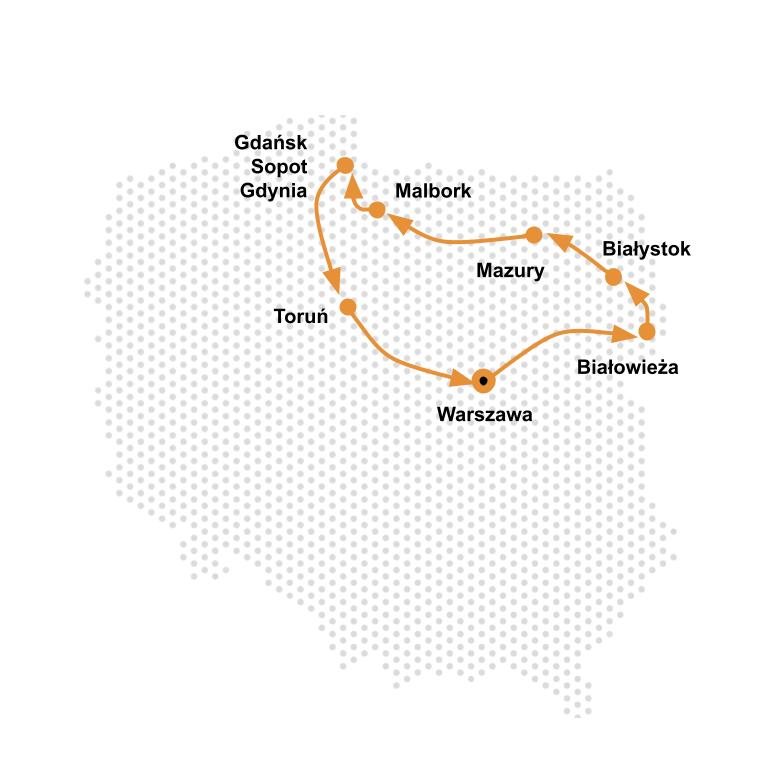
Descubra a Polônia com esta rota de 10 dias que permite descobrir a rica história da Polônia, suas cidades fantásticas, contos de fadas, cidades coloridas e suas paisagens impressionantes.
| Dia 1 | > Varsóvia |


Bem vindo a Polónia!
Chegada ao aeroporto de Varsóvia e traslado ao hotel.
Noite em Varsóvia.
| Dia 2 | > Varsóvia |


Café da manhã no hotel.
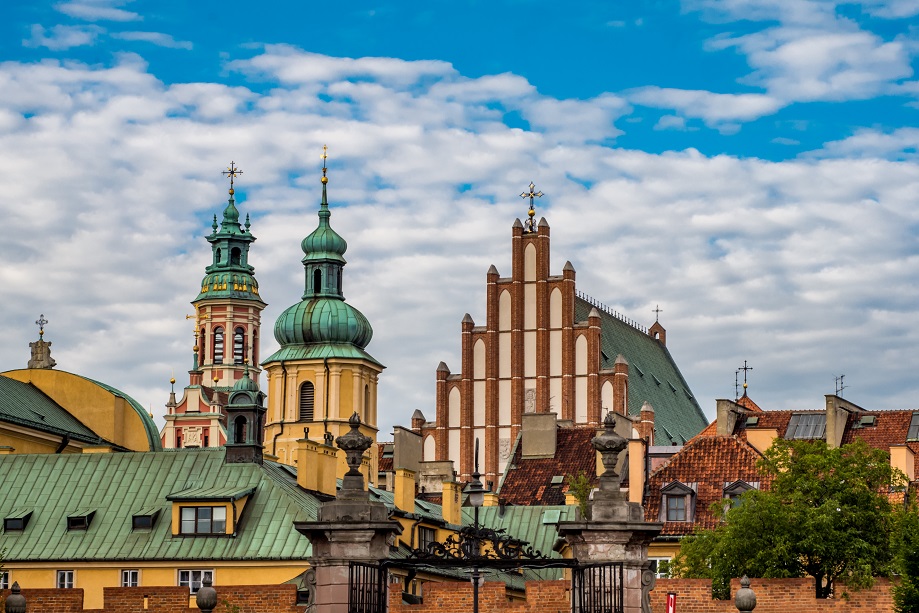
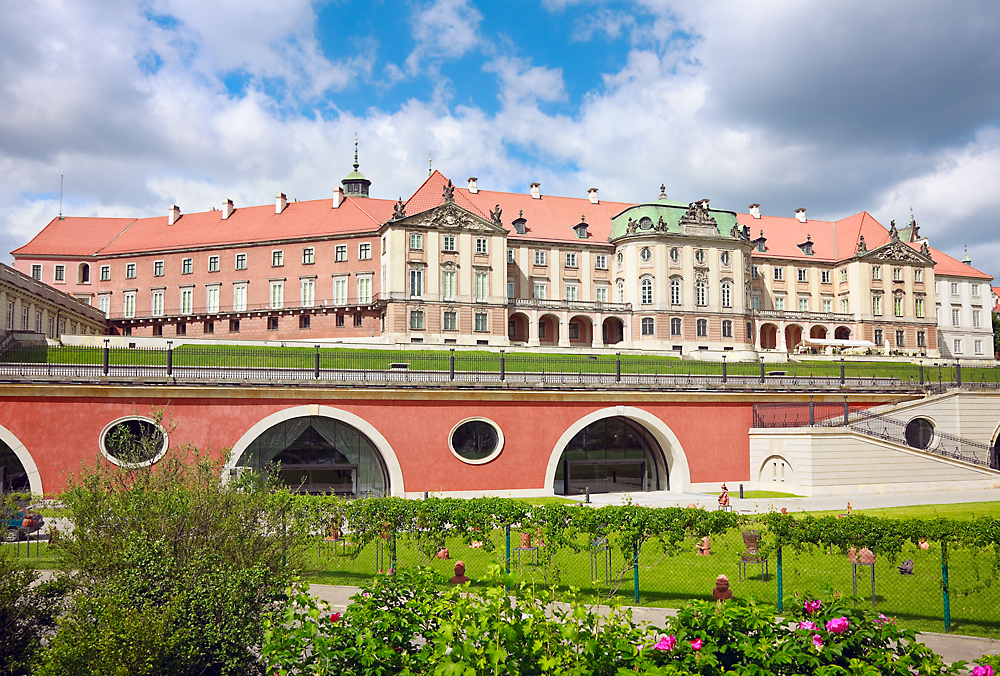
Visita panorâmica à capital da Polónia, Varsóvia. Durante a visita serão conhecidos os lugares mais importantes da cidade e será dada a inesquecível oportunidade de conhecer o passado de Varsóvia e da Polónia. A visita terá início com a descoberta da Cidade Velha (Património UNESCO) e um pouco da cidade nova. Continuará com a visita ao Palácio Krasinski, ao edíficio da Suprema Corte e ao monumento à Insurreição de Varsóvia. Por fim, será ainda visitado o Parque Real Lazienki, onde se poderá admirar a residência de verão do último rei da Polónia e o famoso monumento de Frederic Chopin. Aqui, será dada a oportunidade de relaxar em contacto com a natureza e ainda conhecer o maravilhoso jardim de rosas.
Tempo livre.
À tarde concerto de música de Chopin. Aninhada nas ruas de paralelepípedos da Cidade Velha de Varsóvia, fica uma sala de concertos neoclássica única, com paredes originais de “estuque de gesso”, espelhos de cristal e elegantes decorações do século XIX. Ao passar pelas portas, você entrará na era de Chopin para um concerto composto por duas partes das melhores peças de Chopin tocadas por pianistas reconhecidos internacionalmente. Durante o intervalo, você será convidado a tomar um copo de vinho espumante, suco de laranja ou água. Este concerto é o começo perfeito para uma noite romântica em um dos restaurantes e bares da cidade velha, mas também um final maravilhoso para um dia cheio de passeios turísticos.
Noite em Varsóvia.
| Dia 3 | > Varsóvia > Bialowieza |

Café da manhã no hotel.
Retirada do carro alugado no hotel. Saia em direção a Bialowieza.
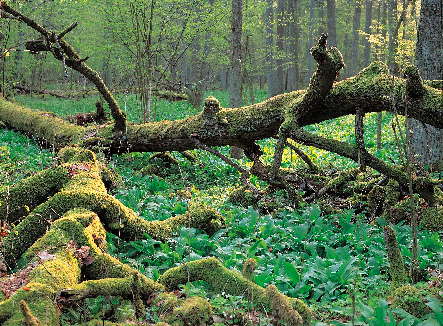
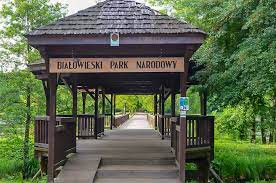
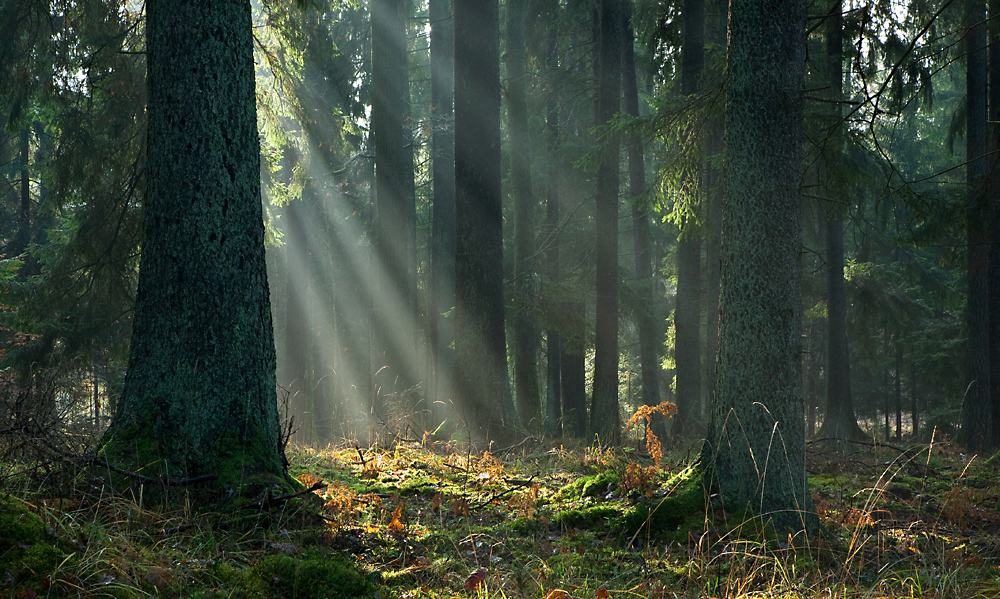
Parque Nacional de Bialowieza – o rei dos parques nacionais na Polônia e na Europa é o Parque Nacional de Białowieża. Não é apenas um dos mais antigos do continente (criado em 1932), mas também o único local onde o bisão europeu vive em liberdade (atualmente tem mais de 300 exemplares) e onde se conserva, em estrita reserva, o chamado floresta primitiva, parte do parque que não foi alterada por 400 anos pela atividade humana. É por isso que, às vezes, se fala da Floresta Bialowieza.
Entrada para o Museu de História Natural do Parque Nacional Bialowieza.
Noite em Bialowieza.
| Dia 4 | > Bialowieza > Kruszyniany > Tykocin > Bialystok |



Café da manhã no hotel.
Partida em direção à região de Podlasie.
Uma parte da região Podlasie é conhecida como a Terra das persianas abertas. As aldeias são habitadas por povos indígenas Podlasie (índios Podlasie!), principalmente ortodoxos, que se identificam como uma minoria bielorrussa. Os habitantes usam o dialeto Podlasie diariamente, que está desaparecendo lentamente. A Terra é famosa principalmente pela ornamentação das casas de madeira. As venezianas coloridas, as empenas ricamente decoradas e os recantos das casas de empena, os alpendres e as casas bem cuidadas, únicas em outras partes do país, refletem a disposição espacial da época da rainha Bona. Tudo isso imerso no silêncio e na vegetação dos jardins com malvas, ásteres e peônias.
Continuação para Kruszyniany.
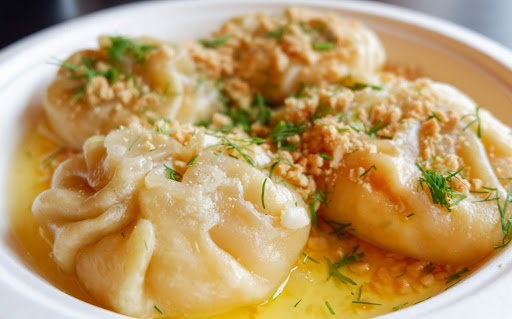
Kruszyniany é uma vila situada no Caminho Tártaro. Caracteriza-se principalmente pela diversidade cultural e religiosa dos habitantes, mas também pela beleza dos arredores. Aqui está uma oportunidade de experimentar a culinária tártara incomum em um restaurante local. As principais atrações de Kruszyniany são a mesquita e o mizar, o cemitério tártaro. A mesquita remonta ao século 18, mas sua história remonta ao rei Jan III Sobieski. O edifício encontra-se em excelente estado de conservação, podendo também visitar o seu interior.
Saindo em direção a Bialystok vale a pena parar em Tykocin.
Lindamente localizado no rio Narew, quase à margem da civilização, Tykocin inspira e encanta. Provavelmente não há um ano em que as ruas de paralelepípedos de Tykocin não sejam transformadas em um set de filmagem. Das produções caseiras a Hollywood, o espírito do shtetl judeu paira sobre Tykocin, criando uma atmosfera única pré-guerra. Uma sinagoga única e um bairro judeu foram milagrosamente preservados aqui.
Continuação para Bialystok.
Noite em Bialystok.
| Dia 5 | > Bialystok > Masúria region |


Café da manhã no hotel.
Bialystok realmente encanta os visitantes. O Palácio Branicki com jardim barroco é uma fonte inesgotável de histórias e curiosidades relacionadas à turbulenta história de Bialystok, conhecida em toda a Europa do século XVIII como a Versalhes do Norte. A charmosa reserva Planty e Zwierzyniec: um mar de vegetação no centro da cidade, com um minizoológico. A Igreja Ortodoxa de São Nicolau, a catedral ortodoxa do século XIX, é geralmente aberta aos visitantes. Rotas turísticas foram marcadas no espaço urbano: podemos descobrir Bialystok judaica, industrial, multicultural e de madeira.
Partida para a região da Masúria.
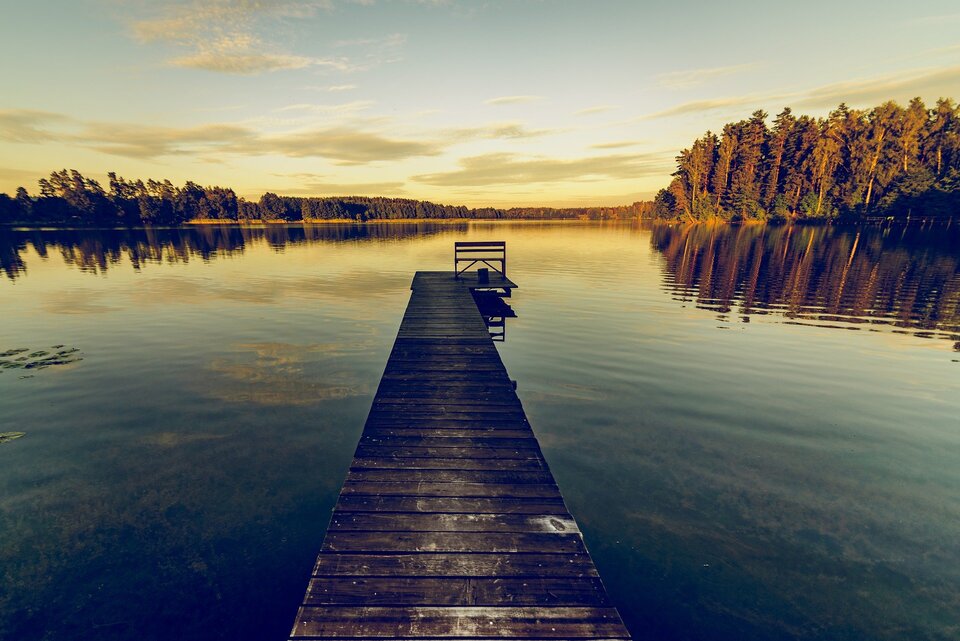
Bem-vindo ao distrito do Lagos Masurianos (Kraina Wielkich Jezior Mazurskich), uma terra verdejante de colinas pontilhadas de inúmeros lagos, pequenas fazendas saudáveis, extensões de floresta dispersas e pequenas cidades. Após o café da manhã faremos um cruzeiro em um dos lagos e apreciaremos as belas vistas.
Noite na região da Masúria.
| Dia 6 | > Masúria region |
Café da manhã no hotel.
Dia livre para conhecer a bela região dos lagos.
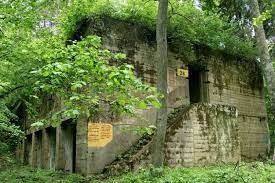
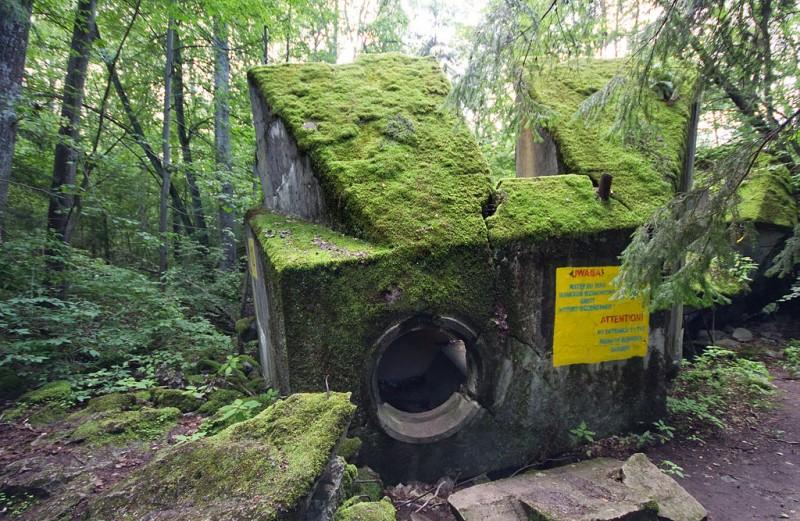
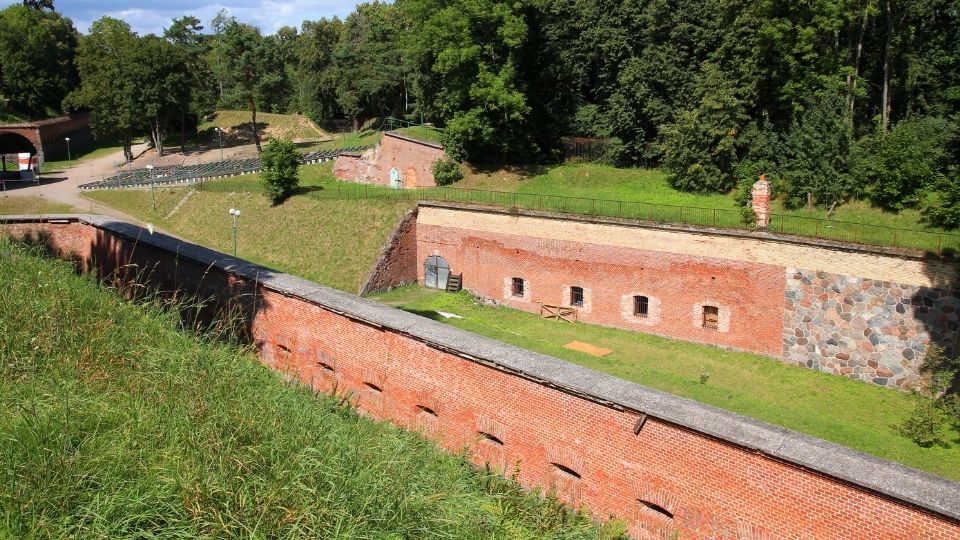
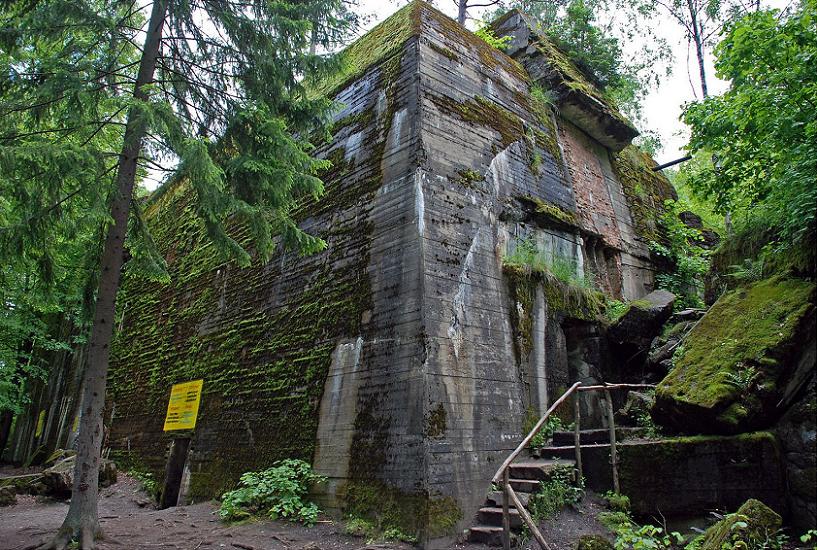
Sugerimos uma excursão ao Toca do Lobo – escondido nas profundezas das florestas da Masúria, a cerca de 8 km da pequena cidade de Rastenburg, na Prússia Oriental, encontram-se as ruínas de uma das relíquias históricas mais arrepiantes da Polônia, o bunker mais secreto de Adolf Hitler, chamado Wolfsschanze ou a Toca do Lobo (Wilczy Szaniec).
Noite na região da Masúria.
| Dia 7 | > Masúria region > Malbork > Gdansk |


Café da manhã no hotel.
Partida para Malbork.
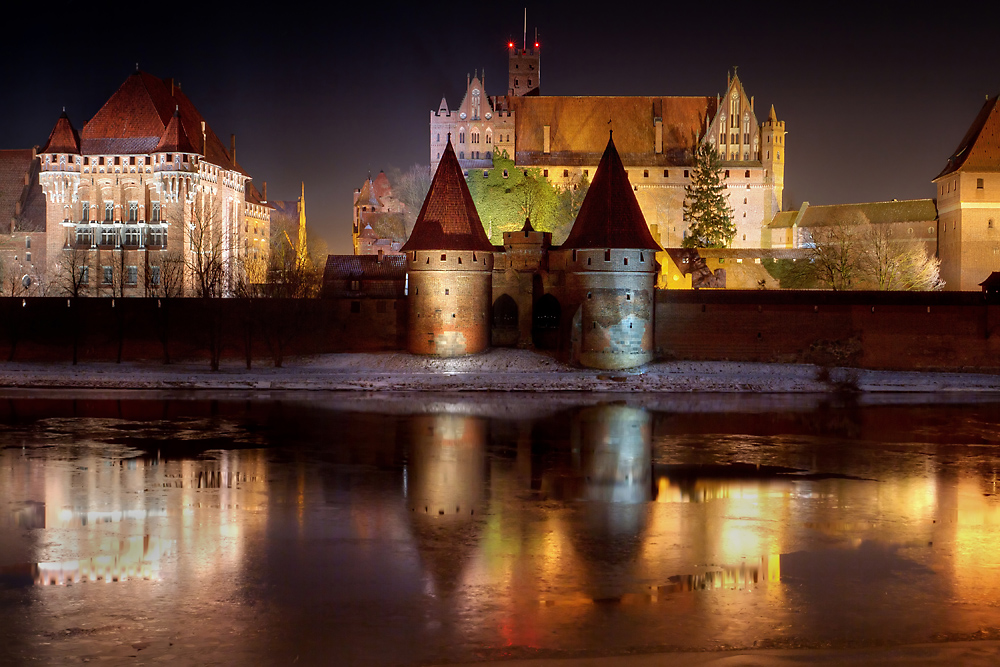
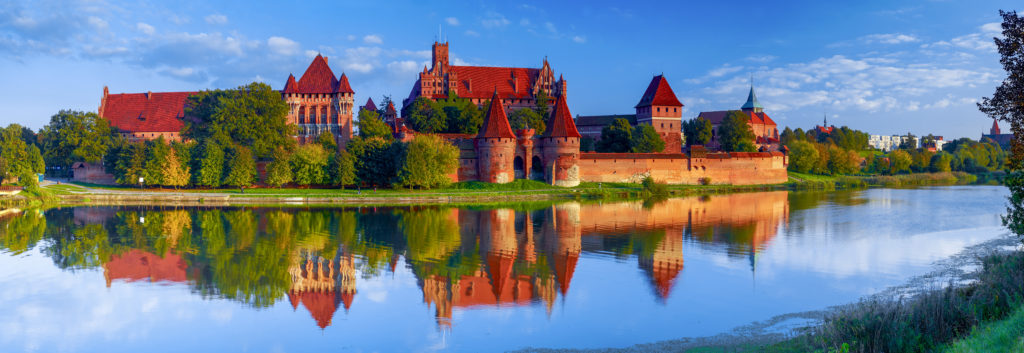
Visita guiada ao Castelo de Malbork, o maior castelo gótico de tijolo vermelho existente no mundo (Património UNESCO) e que foi a sede dos comandantes da Ordem Teutónica da Europa de Leste na idade Média. Percorrer os sinuosos e misteriosos corredores desta fortaleza medieval será uma oportunidade de admirar a sua arquitetura maravilhosa e além disso, fazer uma viagem no tempo onde se poderá descobrir a vida quotidiana dos cavaleiros, apresentada pelos equipamentos antigos e por uma vasta coleção de armamento. Uma atração adicional é a exposição “A história do âmbar”, onde existe uma grande colecção de âmbar do Mar Báltico e jóias feitas desta pedra.
Continuação para Gdansk.
Noite em Gdansk.
| Dia 8 | > Gdansk > Gdynia > Sopot > Gdansk |

Café da manhã no hotel.
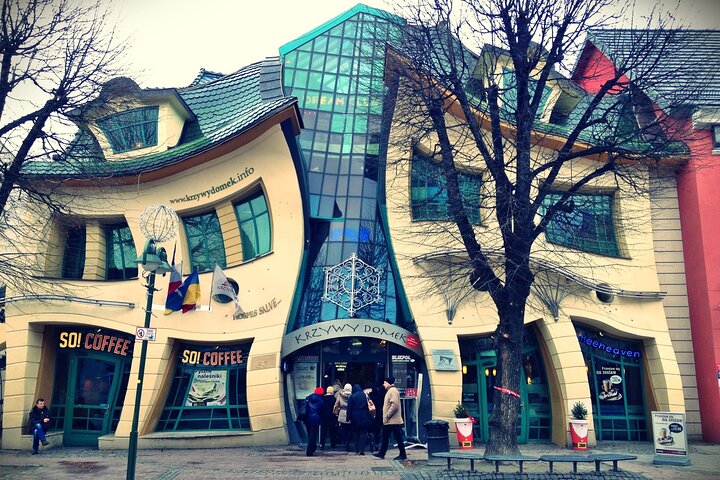
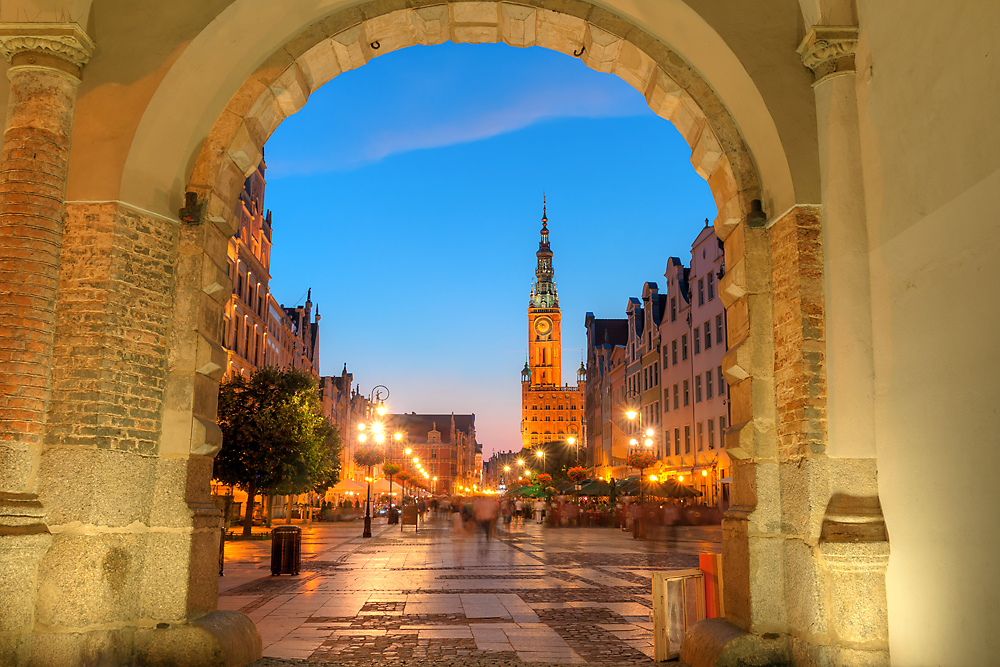
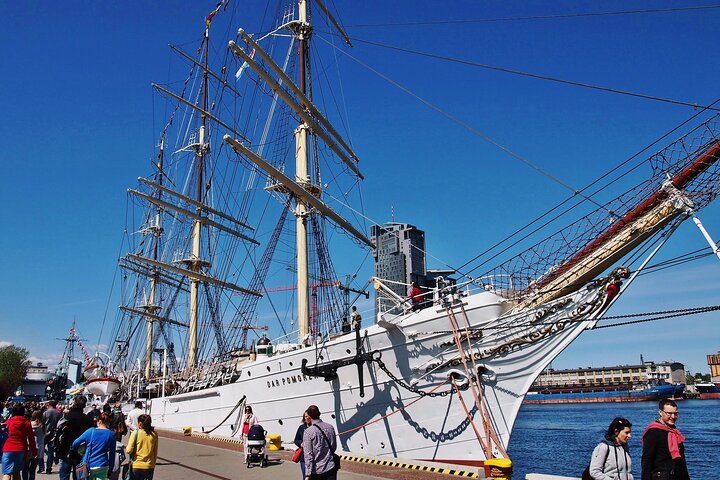
De manhã visita à cidade velha de Gdansk. Transporte até Gdansk Oliwa, onde será visitada a Catedral de Oliwa, a maior igreja cisterciense do mundo, bastante famosa pelos seus órgãos barrocos, que teremos a oportunidade de ouvir num magnífico concerto incluído na visita. Transporte até ao porto de Gdynia, onde se visitará o veleiro “Dar Pomorza”. Por fim, transporte até Sopot, onde se fará uma caminhada ao longo da zona marginal até ao molhe, o maior da Europa construído em madeira. Retorno a hotel.
Noite em Gdansk.
| Dia 9 | > Gdansk > Torun > Varsóvia |


Café da manhã no hotel.
Saia na direção de Torun.
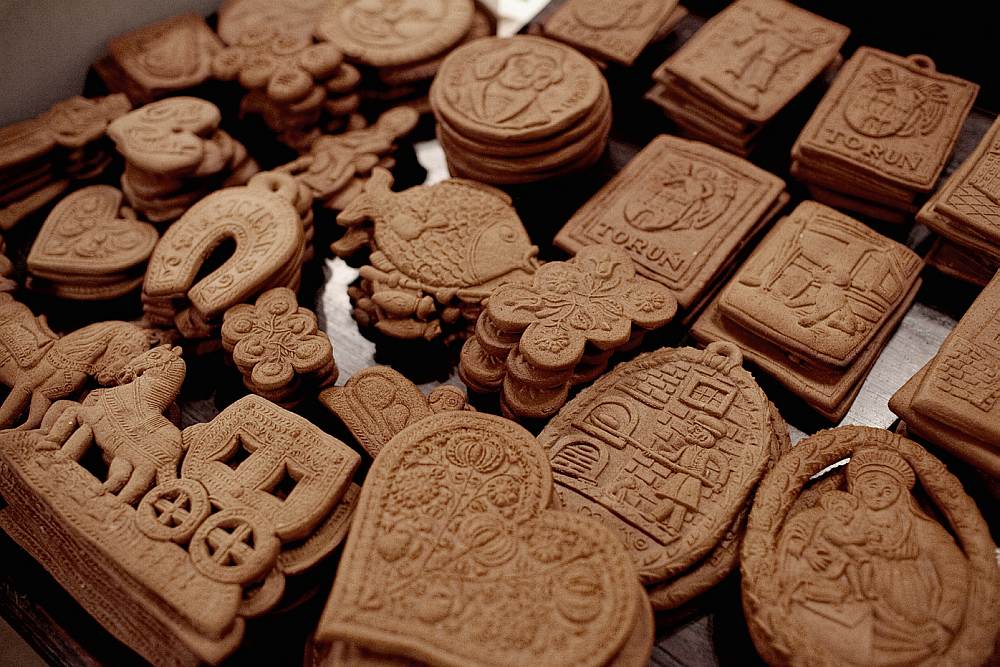
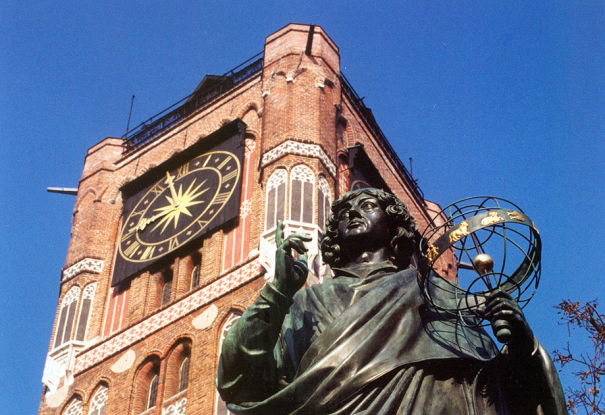
Visita de Torun, cidade conhecida pela sua exuberante arquitectura do estilo gótico medieval e por ter sido o local de nascimento do famoso astrónomo polaco – Nicolau Copérnico. A visita começará com um caminhada pela cidade velha (Património UNESCO), onde será possivel conhecer a Casa de Copérnico e a Catedral com a sua imponente torre, de onde se poderá apreciar uma magnífica vista panorâmica da cidade. Haverá ainda tempo livre para fazer compras e para a degustação dos famosos bolos de gengibre de Torun, feitos de acordo com receitas antigas do século XVI.
Continuação para Varsóvia.
Noite em Varsóvia.
| Dia 10 | >Varsóvia |


Café da manhã no hotel.
Transfer para o aeroporto em Varsóvia.
FIM DOS SERVIÇOS.
Contate-Nos
Se você deseja que preparemos uma viagem especial para você, escreva-nos especificando todas as suas preferências. Ficaremos felizes em ajudá-lo.
Fly & Drive Green Poland – a complete self-drive journey combining independence, structure, and access to Poland’s most authentic regions
If you want to explore Poland beyond standard city tours while still maintaining a clear and well-structured travel plan, this fly & drive program offers the most balanced solution. It combines the freedom of independent travel with the security of a professionally designed itinerary, allowing you to experience both major destinations and lesser-known regions without logistical stress.
Instead of following a fixed group schedule, you move through the country at your own pace, using a carefully planned route that reflects real travel conditions. Every destination, distance, and overnight stay is selected based on operational experience, ensuring that the journey feels natural, efficient, and comfortable from start to finish.
This is not a random road trip. It is a structured, experience-driven journey designed by specialists who understand how travelers actually move through Poland.
What makes a fly & drive itinerary more effective than fully guided or fully independent travel?
Travelers often face a trade-off between convenience and freedom. Fully guided tours offer structure but limit flexibility, while independent travel offers freedom but requires complex planning.
A fly & drive itinerary removes this trade-off.
You receive:
- a complete route designed by experts
- pre-arranged accommodation in key locations
- a rental car that gives you full mobility
- a logical sequence of destinations aligned with real travel flow
At the same time, you keep control over:
- how long you stay at each location
- what you visit during the day
- how intensively you explore each region
This hybrid model is particularly effective for countries like Poland, where distances between regions are significant and public transport does not always support flexible exploration.
The concept of “Green Poland” – what you actually experience along the route
This program is built around the idea of showing a different side of Poland – one that goes beyond the most visited urban destinations.
“Green Poland” refers to:
- natural landscapes and protected areas
- regions with lower tourist density
- cultural diversity shaped by history and geography
- slower, more authentic travel environments
Instead of focusing only on cities, the itinerary integrates places where nature and local identity play a central role in the experience.
A route designed for real travel, not theoretical planning
One of the biggest mistakes in self-planned road trips is underestimating distances and overloading the itinerary.
This program avoids that by using a route that has been tested in real conditions.
The journey is structured so that:
- daily driving times remain realistic
- transitions between regions are smooth
- key stops are positioned along natural travel paths
- you avoid unnecessary backtracking
This results in a journey that feels continuous and intuitive, rather than fragmented or exhausting.
From Warsaw to the wild – how the journey evolves day by day
The experience begins in Warsaw, where you are introduced to modern Poland and its historical background. This initial stage provides context that helps you understand the rest of the journey.
As you leave the capital, the environment gradually changes.
You move toward eastern Poland, where landscapes become more open and less urbanized. Białowieża Forest introduces one of the last remaining primeval forests in Europe, offering a completely different atmosphere compared to city environments.
Further along the route, Podlasie reveals a unique mix of cultures, traditions, and religious influences that are rarely visible in more central regions. This is one of the most distinctive parts of the itinerary, where Poland’s diversity becomes clearly noticeable.
The journey then transitions toward Masuria, a region defined by lakes, forests, and open space. Here, driving becomes part of the experience itself, not just a means of transport.
Finally, northern Poland introduces coastal influences and historical cities, adding another layer to the overall journey.
Driving as part of the travel experience, not just transport
In this itinerary, driving is not a limitation – it is an integral part of the experience.
You are not restricted to fixed schedules or group timelines. Instead, you can:
- stop in places that are not included in standard tours
- adjust your pace depending on your energy and interests
- explore scenic routes that are not accessible by public transport
- experience transitions between regions in a more natural way
This creates a stronger connection with the country and its landscapes.
Infrastructure, safety, and comfort on the road
Poland’s road network allows for comfortable long-distance travel, even for visitors who are not familiar with the country.
During the journey, you can expect:
- modern highways connecting major regions
- well-maintained regional roads in rural areas
- clear signage and navigation systems
- easy access to fuel stations and services
Driving conditions are predictable and suitable for international travelers, making this type of program accessible even for those without prior experience in Poland.
Cultural depth beyond standard tourist routes
Although the program emphasizes independence, it does not reduce the depth of the experience.
Along the route, you encounter:
- historical cities with preserved architecture
- regions shaped by different cultural influences
- local traditions that vary significantly between areas
- landmarks that provide insight into Poland’s past and identity
This combination ensures that the journey is both visually engaging and intellectually meaningful.
Accommodation strategy and travel flow optimization
Accommodation is not selected randomly. Each overnight stay is positioned to support the overall structure of the journey.
Locations are chosen to:
- reduce unnecessary driving distances
- provide access to key attractions
- maintain a logical progression between regions
- ensure comfort after longer travel days
This level of planning is essential in multi-day road trips, where poor accommodation placement can disrupt the entire experience.
Who should choose a fly & drive program?
This type of itinerary is best suited for travelers who:
- want flexibility without losing structure
- enjoy driving and independent exploration
- prefer to avoid group travel
- are interested in both nature and culture
- want to reach regions that are not easily accessible otherwise
It is particularly effective for travelers who want to experience more than just the most obvious destinations.
When is the best time to travel through “Green Poland”?
The timing of the trip significantly affects the experience.
Spring and early autumn offer the best balance between weather conditions and travel comfort. Summer provides longer days and more vibrant surroundings, especially in lake regions. Autumn introduces a more atmospheric landscape, particularly in forest areas.
Because this itinerary includes both cities and natural environments, seasonal variation plays an important role in how the journey feels.
How to choose this itinerary over other travel formats
If you are deciding between a classic guided tour and a fully independent trip, this format offers a clear middle ground.
Choose this program if:
- you want expert-level route planning without giving up flexibility
- you want to avoid the risks of poorly structured independent travel
- you want access to regions beyond major tourist routes
- you prefer a more personal and adaptable travel experience
This is one of the most efficient ways to explore a country that combines urban centers with large natural areas.
Why this format is becoming increasingly popular among international travelers
Modern travelers expect more control over their journeys while still valuing reliability and structure.
Fly & drive programs respond to this shift by:
- combining independence with professional planning
- reducing pre-trip workload
- increasing on-trip flexibility
- offering access to less crowded destinations
As a result, they are becoming one of the preferred formats for exploring countries like Poland.
FAQ
Do I need experience driving in Europe to take this tour?
No, driving conditions in Poland are accessible and suitable for international travelers, even without prior experience in the region.
Is the itinerary fixed or flexible?
The route is predefined, but your daily activities and pace remain fully flexible.
What happens if I want to modify the route during the trip?
You can adjust your schedule locally, but the main route is designed to ensure the best overall travel flow.
Is this program suitable for couples or families?
Yes, it is suitable for both, especially for those who value independence and comfort.
Are natural areas easily accessible by car?
Yes, one of the main advantages of this program is access to regions that are difficult to reach by public transport.
Does the program include support during the trip?
Yes, even though the journey is independent, key elements are organized and supported by local specialists.