


Poland Tour
15 days / 14 nights
Explore Poland in details with this 15-day route. Discover its rich history, fantastic cities, fairytale, colourful towns, impressive landscapes. Meet local people and taste delicious local cuisine.
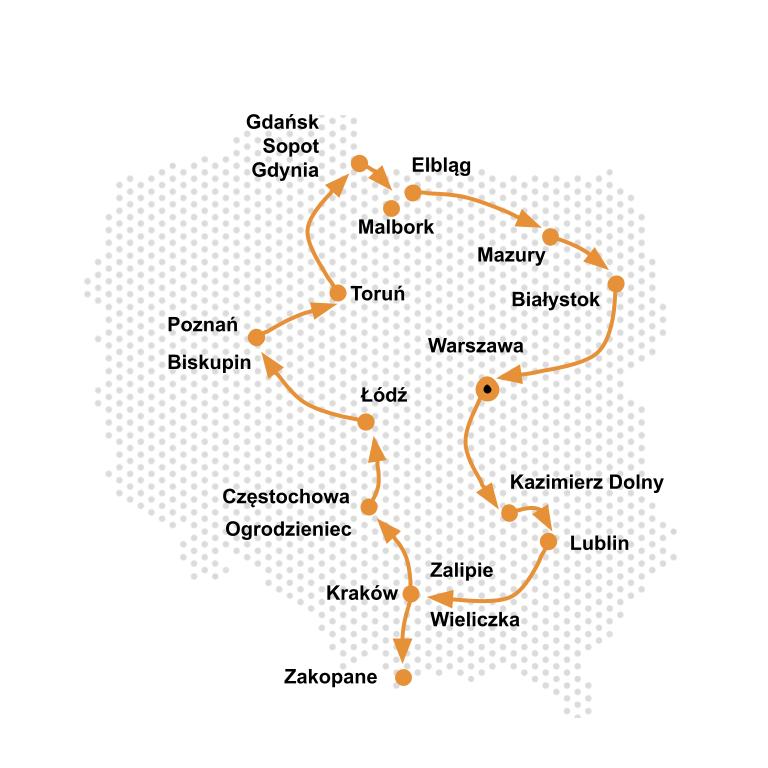
| Day 1 | > Warsaw |
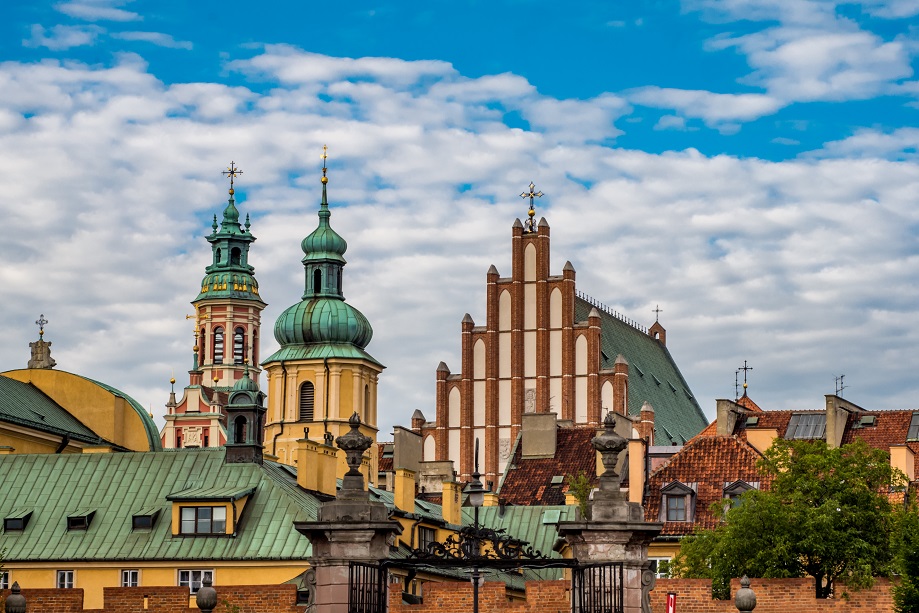
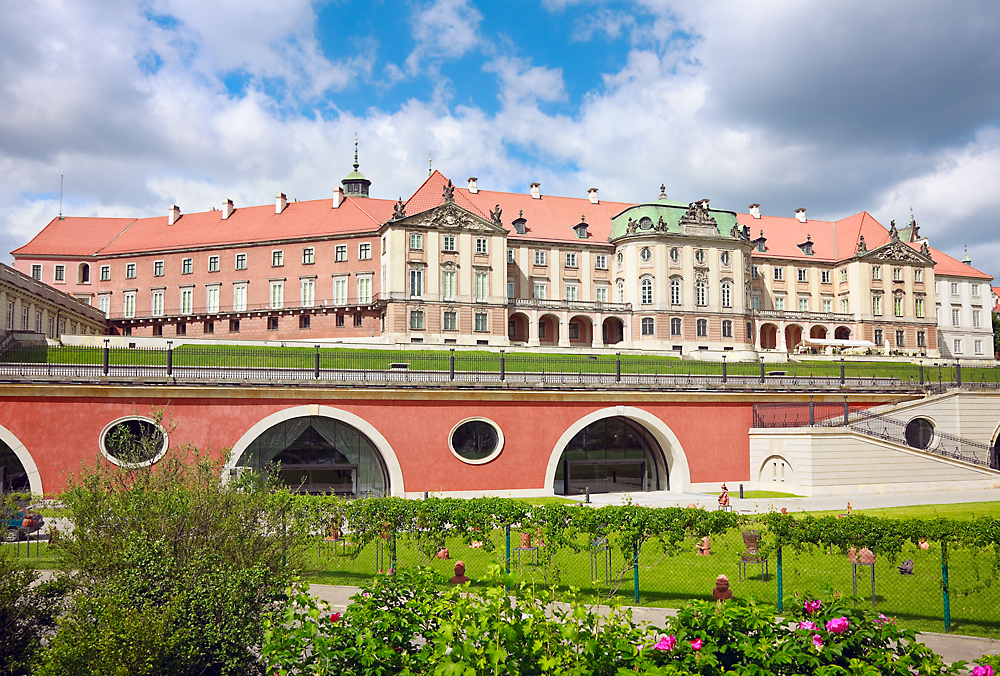


Welcome to Poland !
Arrival to Warsaw. Transfer to the hotel and check-in.
Accommodation in a centrally located hotel in Warsaw.
| Day 2 | > Warsaw |


Breakfast at your hotel.
Warsaw sightseeing – this tour allows us to immerse ourselves in and observe the many contrasts of the Polish capital city. The tour starts with a walk around the Lazienki Royal Park. Here we will see the famous monument dedicated to Frederic Chopin, the Palace on the Water and the Theater on the Island. We will continue with transfer to the Old Town (UNESCO) and a short walk around the Old Town: from the Royal Castle, passing next to the Saint John Cathedral, the Market Square and the barbacane to the New Town. We will continue to the Krasinski Palace, the Supreme Court bulding. Our itinerary will continue with the Grand Theatre and the National Opera, the Jablonowscy Palace, the Tomb of the Unknown Soldier and the Saxon Garden. We will also go to the former Jewish getto area and the places connected to the Holocaust during the Second World War: the Umschlagplatz and the Monument of Heroes of Guetto.
Free time for lunch.
Accommodation in a centrally located hotel in Warsaw.
| Day 3 | > Warsaw > Kazimierz Dolny > Lublin |
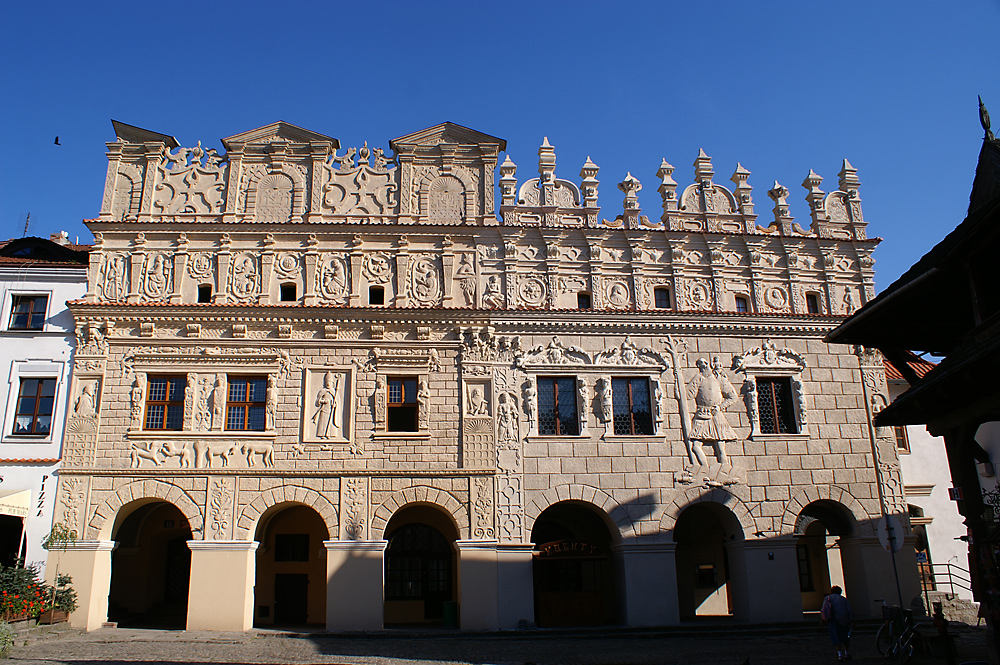


Breakfast at your hotel.
Transfer to Kazimierz Dolny.
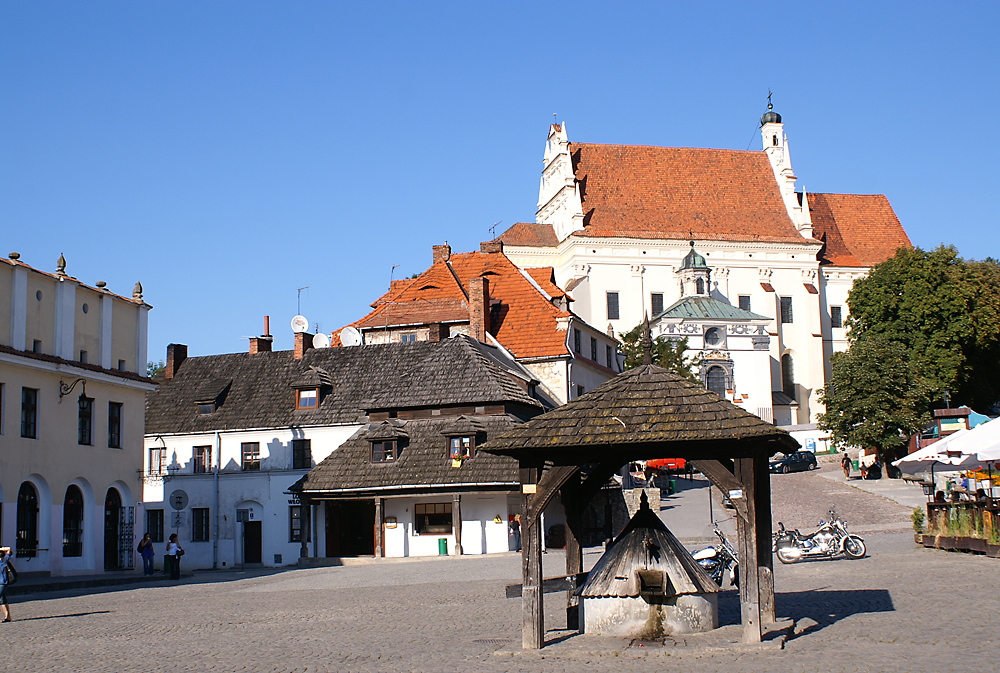
Sightseeing of Kazimierz Dolny, a picturesque artists’ town situated on the banks of Vistula, full of renaissance architecture and surrounded by lush countryside. See the most important sights like the Market Square, gothic Parish Church, remaining fragments of a XIV century castle with a tower, from where you can take in the astonishing views of the Vistula valley, Kazimierz and the Janowiec Castle. The surrounding fields, woods, ravines, meadows and hops plantations all form a part of Kazimierz Landscape Park.
Free time for lunch.
Continue to Lublin.
Lublin is the largest city in southeastern Poland. It is home to a long and fascinating history and stunning Polish architecture. During the walk through the beautiful old town we will see many interesting monuments, among them the 14th century Krakow Gate, Market Square, town hall and castle. One cannot leave Lublin without having seen the Dominican Church and the Cathedral of Saints John the Baptist and John the Evangelist.
Accommodation in a centrally located hotel in Lublin.
| Day 4 | > Lublin > Zalipie > Krakow |


Breakfast at your hotel.
Transfer from Lublin to Zalipie.
Zalipie – this picturesque little town has been enchanting its visitors for the past 80 years with its exquisite techniques of folk painting used by the locals to decorate their houses with colorful flower designs. Visit the Painters’ hut–museum to find various examples of traditional folk art of the area.
Free time for lunch and transfer to Krakow.
Accommodation in a centrally located hotel in Krakow.
| Day 5 | > Krakow > Wieliczka > Krakow |


Breakfast at your hotel.
Krakow is the cultural capital of Poland with Old Town listed as UNESCO Heritage. During the tour you would see Barbican and defensive walls with Florian’s Gate, the Main Market Square with Sukiennice Cloth Hall, St Mary’s Church and Town Hall Tower. We would proceed to the Jagiellonian University, pass by Archbishop Palace (where John Paul II used to live) as well as St Andrew’s Church and St Peter and Paul’s Church to reach the Wawel Hill.
Free time for lunch.
Transfer from Krakow to Wieliczka the most beautiful and the oldest operating salt mine in the world (UNESCO Heritage). From over 700 years it was a source of Polish fortune and a physical fundament of culture. Today Wieliczka is the most willingly visited Polish tourist object with magnificent chapels, charming underground lakes and original tools and equipment. During this tour you could see a number of excavated chambers on 3 levels adorned with beautiful sculptures made of salt as well as a salt museum. Transfer back to Krakow.
Accommodation in a centrally located hotel in Krakow.
| Day 6 | > Krakow > Zakopane > Krakow |


Breakfast at your hotel.
Transfer from Krakow to Zakopane.
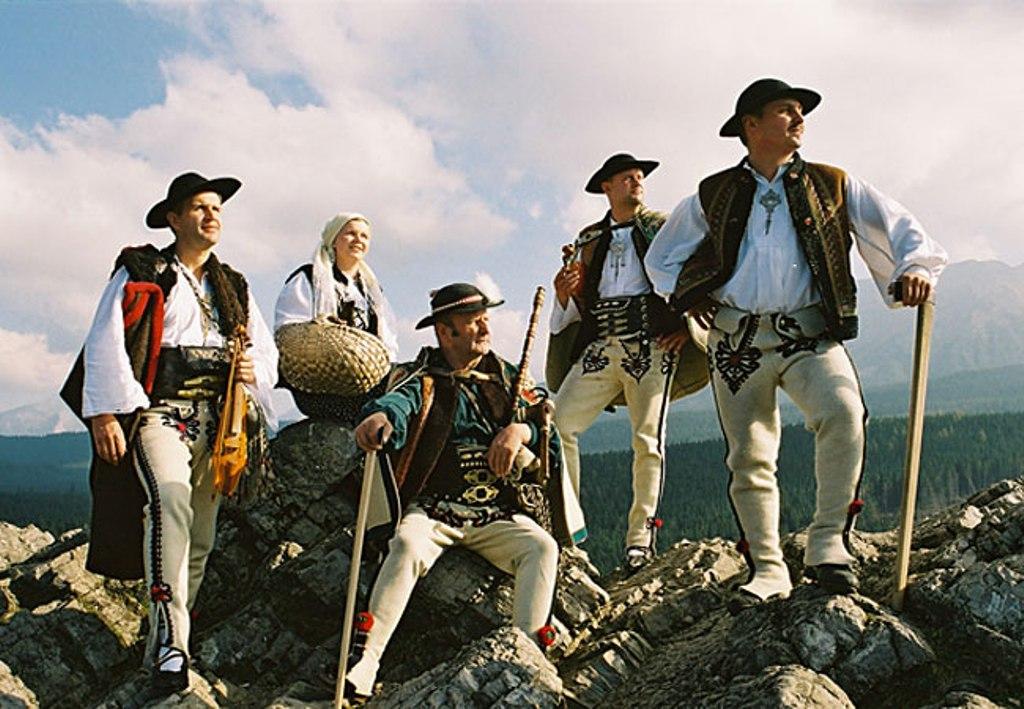
The Tatra Mountain is a beautiful section of the Carpathian mountain range and the only one of Alpine character in central Europe. The whole Polish Tatras area constitutes the Tatra National Park (UNESCO Biosphere Reserve). During this tour you would walk through a village of Chocholow, take a trip by the cable and ground railway to Gubalowka Mountain and have a chance to stroll around streets of Zakopane, a town that is the heart of this tourist region. Transfer back to Krakow.
Free time for lunch.
Accommodation in a centrally located hotel in Krakow.
| Day 7 | > Krakow > Jura Krakowsko-Czestochowska > Ogrodzieniec > Czestochowa > Lodz |


Breakfast at your hotel.
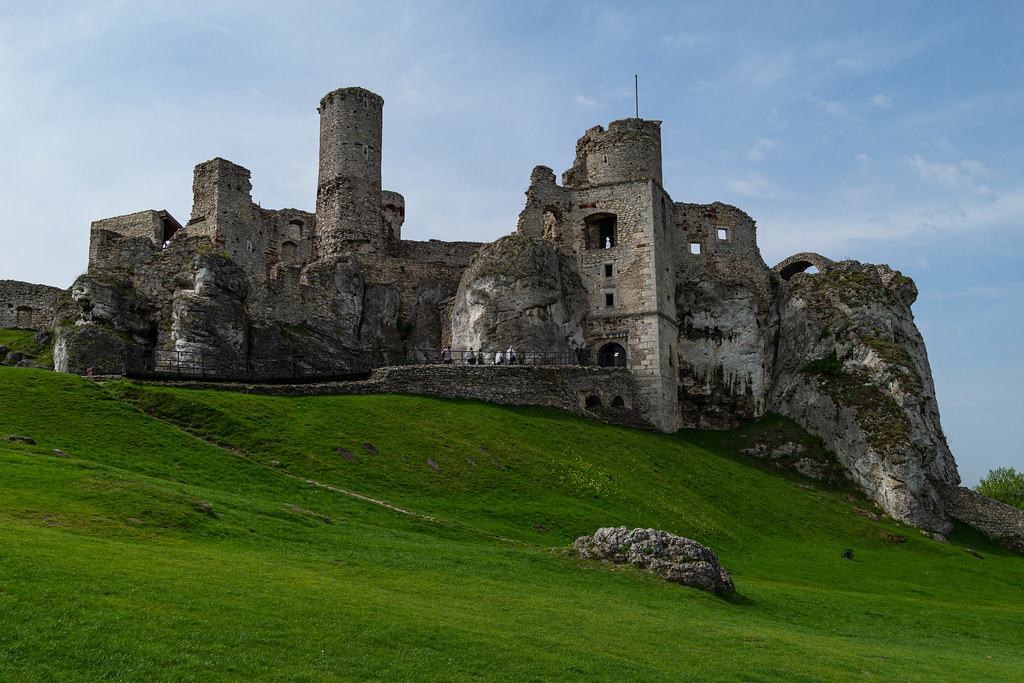
Ride through the white rocky complex of Jura Krakowsko-Czestochowska adorned with castles situated on the top of those rocks dominating over valleys, Hercules Mace Rock; visit to the Ogrodzieniec Castle.
Ogrodzieniec Castle – the most beautiful and largest castle in the Jura region. Its cubic capacity is 32,000 m3, it is difficult to describe, you have to see it! Each wing of the castle is open to the public, stairs lead to the highest parts, so there is plenty to see. There are also underground chambers, which once housed an advanced cooling system. Next to them is a doll museum. Many details of Renaissance and Baroque masonry can be seen on the preserved walls. The ruins are surrounded by a 400 m long perimeter wall, connected with fantastic limestone rocks, to which are adjacent portals with the Boner coat of arms. Among the rocks that surround the siano siano castle na walk, walk around here is a must – because the views are wonderful! You can also rock climb here.
Continue to Czestochowa.
Free time for lunch.
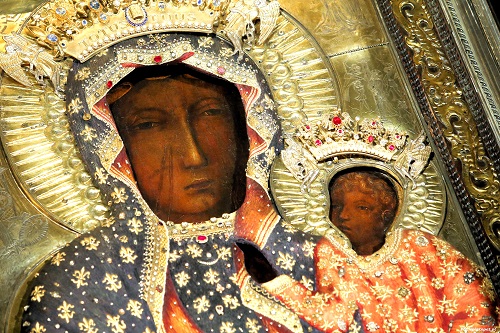
Czestochowa is known for the famous Pauline monastery of Jasna Gora that is the home of the Black Madonna painting, a shrine of the Virgin Mary. She is the Queen of Poland that the whole nation and country was entrusted to. This spiritual capital of Poland every year attracts thousands of pilgrims from all over the world. During your trip you could visit: the Basilica with Black Madonna Shrine, the exhibition devoted to the 600-years of the Monastery, the Armoury Room and the Treasury Room.
Continue to Lodz.
Accommodation in a centrally located hotel in Lodz.
| Day 8 | > Lodz > Poznan |


Breakfast at your hotel.
Lodz is one of the biggest Polish cities. During your visit you would find traces of the four cultures: Polish, Jewish, German and Russian that coexisted there and became one. Furthermore, you would admire modernist and industrial arquitecture. Thanks to its numerous factories, Lodz was also called the „Polish Manchester”. During the route you would see the Old Town and the industrial complex of Poznanski family, the famous Manufaktura. Next, you would visit the Scheibler fabric complex „Księży Młyn” that is a great example of the revitalization of the city during the last years. In the end, you would discover Piotrkowska Street, the most popular walkway full of shops, pubs, restaurants and sculptures that commemorate famous inhabitants of Lodz.
Free time for lunch and transfer to Poznan.
The tour starts from a visit to the gothic Cathedral on the Ostrow Tumski island, place of baptism of Poland in 966. Passing the Chrobry Bridge, we enter the splendid Old Town famous for the renaissance Town Hall dominating over the Market Square. Stroll along charming streets to discover the impressive baroque church and the Franciscan Church with a miniature model of medieval Poznan. Further walk to the Freedom Square surrounded by 19th century historical buildings: National Museum, Raczynski Library, Bazar Hotel and Arcadia.
Accommodation in a centrally located hotel in Poznan.
| Day 9 | > Poznan > Biskupin > Torun |

Breakfast at your hotel.
Transfer from Poznan to Biskupin.
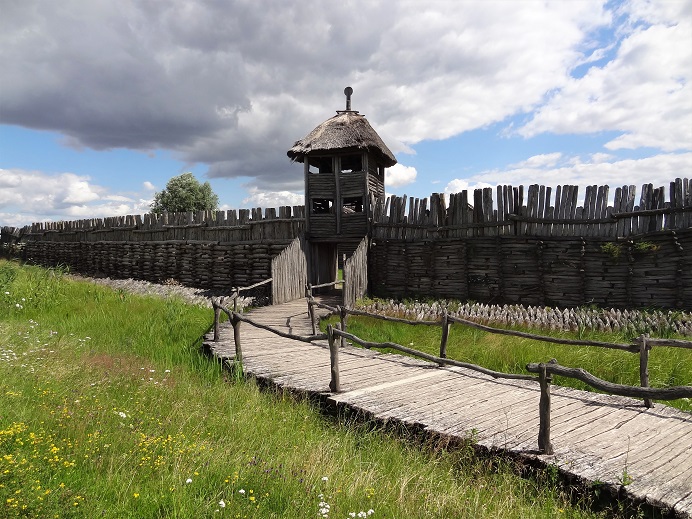
Biskupin is the best known archaeological reserve in Central Europe. Visit to the oldest settlement in Poland.
Free time for lunch.
Continue to Torun.
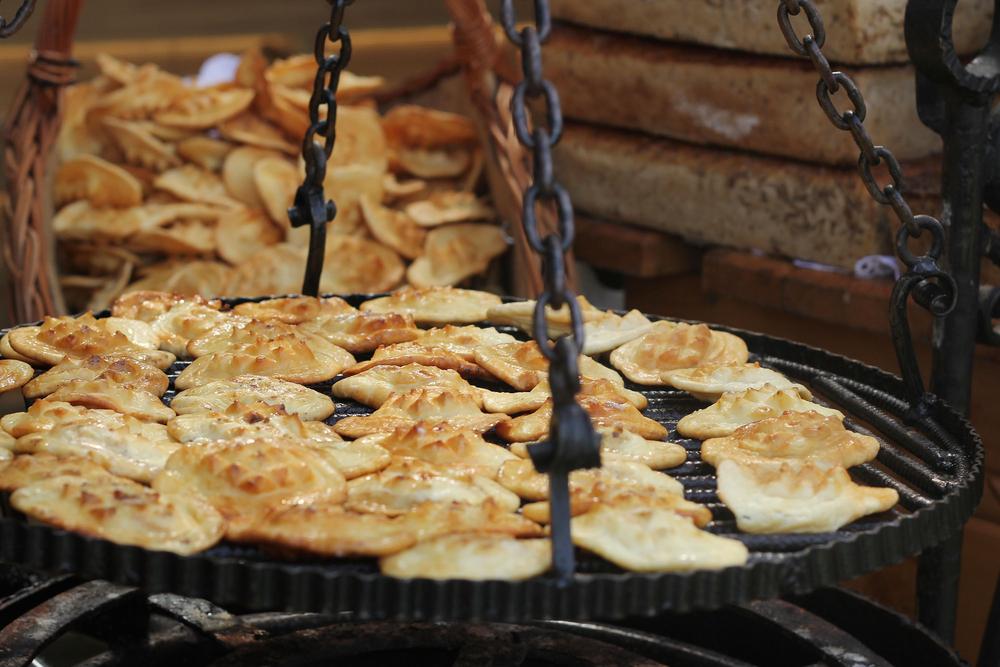
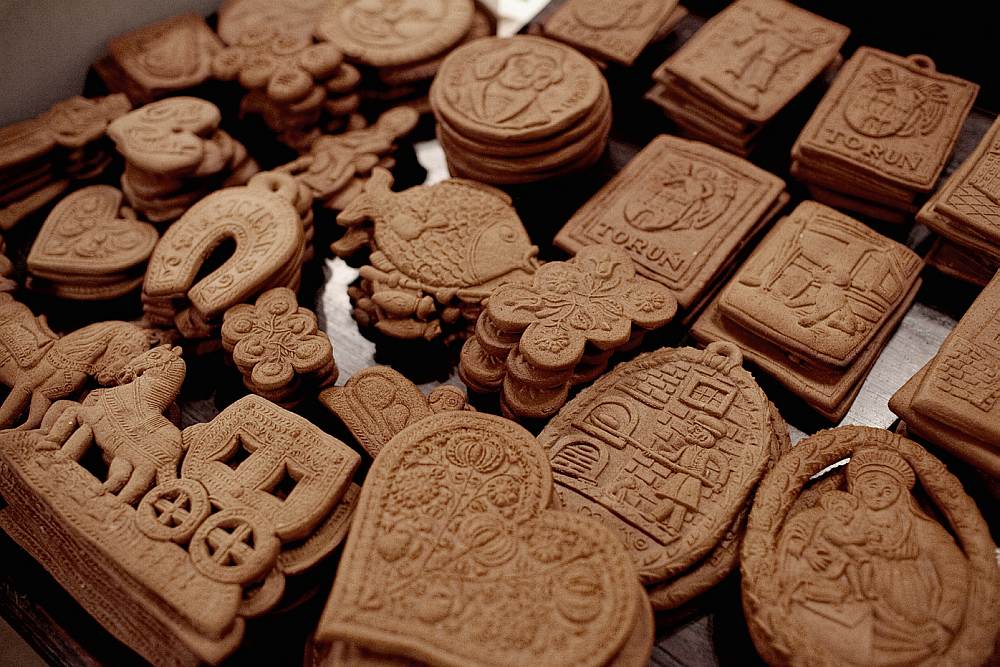
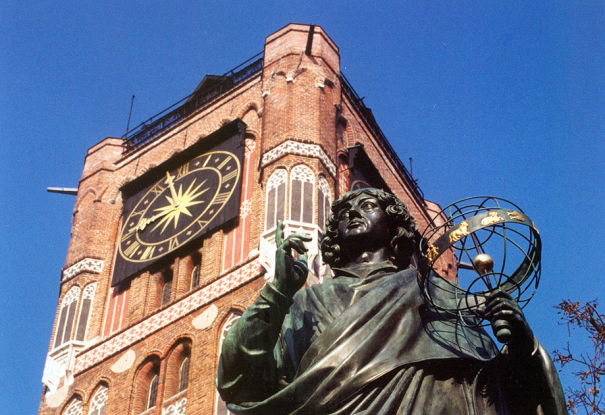
Walk around the Old Town in Torun, one of the best examples of medieval gothic town (UNESCO Heritage), visit to the cathedral and the Nicolaus Copernicus House; time for a souvenir hunt and to taste gingerbread – a speciality the city is famous for, that is baked according to old recipes and methods dating back to the 16th century.
Accommodation in a centrally located hotel in Torun.
| Day 10 | > Torun > Gdansk > Gdynia > Sopot > Gdansk |

Breakfast at your hotel.
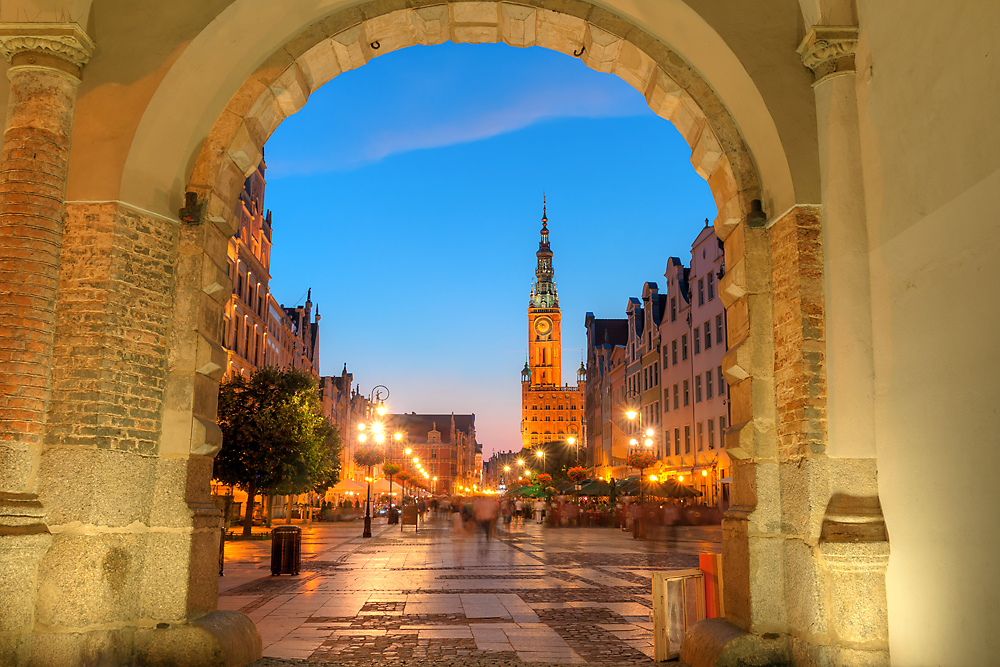
The charm of Old Town Gdansk attracts millions of tourists each year. We will start by taking a walk down Długa Street, which is one of the most beautiful European markets that is nestled around a dazzling selection of renaissance buildings. It leaves from the Golden Gate and passes by the Town Hall, Neptune fountain, Arthur’s Court and finishes by the Green Gate overlooking the Motława River. On a way you may visit The Museum of Arthur’s Court and the Amber Chamber at which point, you will see an amber polishing demonstration with a short lecture on amber. The tour continues to the Old Crane, which happens to be one of the most popular symbols of the city. After that, the tour finishes at the church of St Mary, Europe’s biggest gothic brick church.
Free time for lunch.
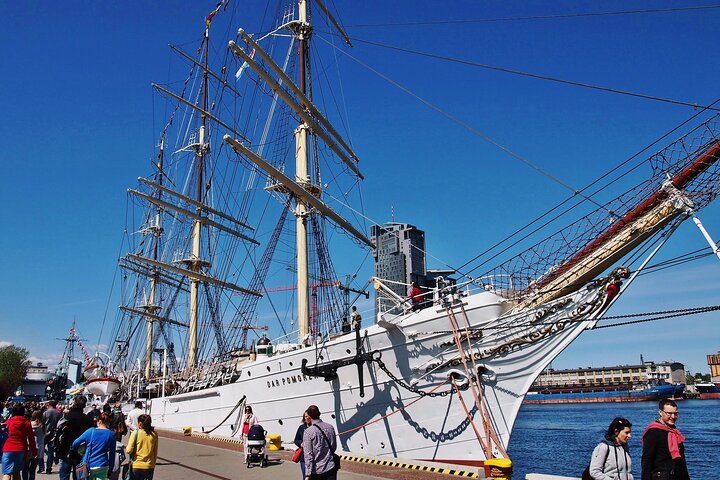
After lunch we will transfer to Oliwa Cathedral, the longest Cistercian church in the world, which is famous for its organs and organ concert. We will then transfer to Gdynia harbor and visit the sail powered ship “Dar Pomorza”. We will then transfer to Sopot seaside resort. Once we arrive, you can walk along the longest wooden pier in Europe.
Accommodation in a centrally located hotel in Gdansk.
| Day 11 | > Gdansk > Westerplatte > Malbork > Elblag |


Breakfast at your hotel.
Transfer to the Westerplatte Peninsula guarding an entrance to the Gdansk harbour, the place where WWII began and where the Polish Military Transit Depot fought against an enemy 13 times its size. The tour continues to the Gdansk Shipyard, the birthplace of Solidarity movement. You will stop by the Monument to the Fallen Ship Workers (dedicated to the dockyard workers who died in December 1970) and a famous gate to the shipyard.
Free time for lunch and transfer to Malbork.
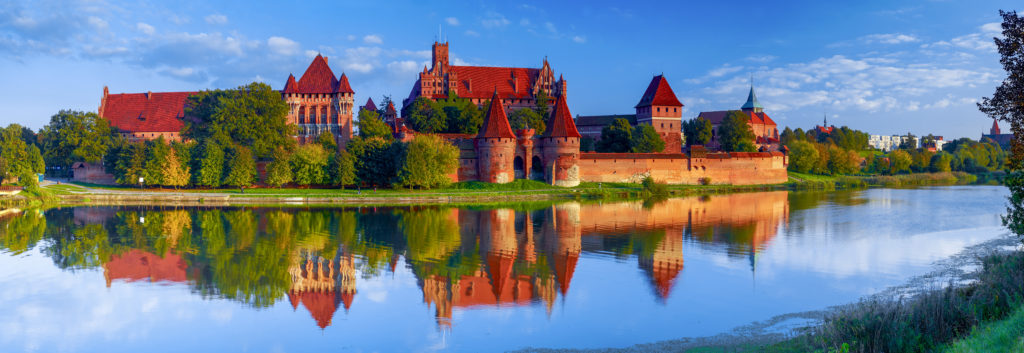
Malbork Castle is the medieval capital of the Teutonic Order in Eastern Europe. You will have a guided visit to the biggest red brick gothic castle in the world which earned it the title of being a “UNESCO World Heritage Site”. This is not only your chance to admire beautiful architecture, but also to experience what life was like in the past, see their technology, and an antique collection of arms. The Castle’s cellars also host the “History of Amber” exhibition presenting an astounding collection of Baltic Sea amber including jewelry, and other products made out of amber.
Continue to Elblag.
Accommodation in a centrally located hotel in Elblag.
| Day 12 | > Elblag > Gierloz > Swieta Lipka |

Breakfast at your hotel.
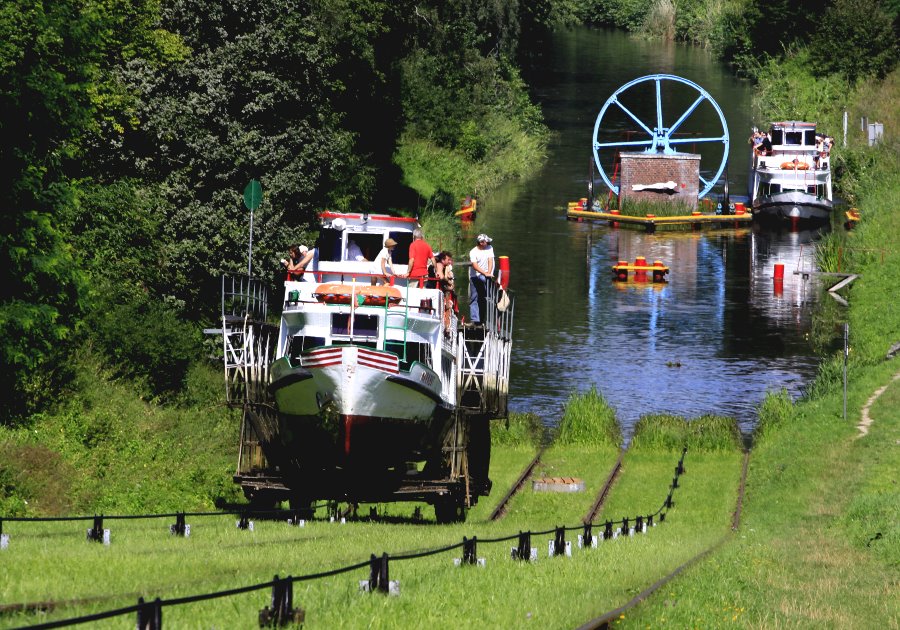
Totally unique experience – a boat trip up the Elblag – Ostroda canal, the main attraction of the region and the only one in the world this kind of canal with technical devices from mid of XIX century and still functioning without electricity, the system of slipways carries the ships on the land up and down and helps them overcome almost 100 m difference of water levels “sailing” on the land.
Free time for lunch and transfer to Gierloz.
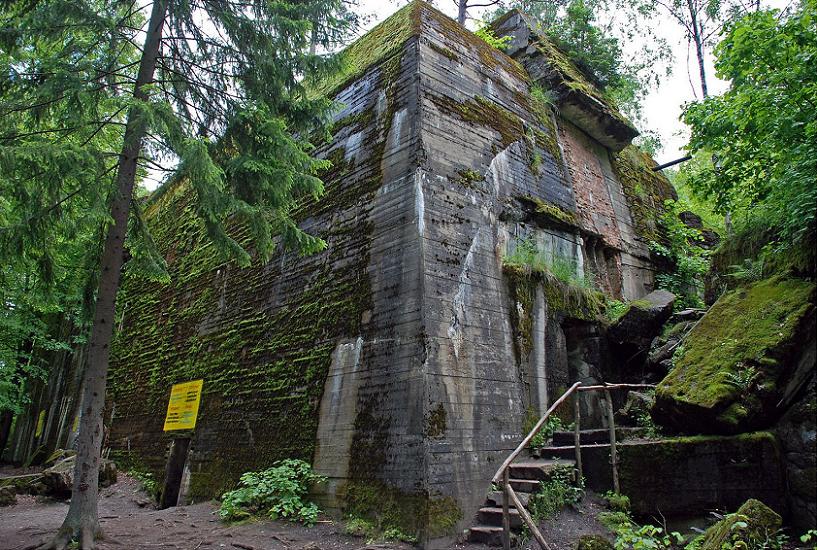
Wolf’s Lair was the Adolf Hitler’s Headquarters built in 1941 in the middle of Masurian forest to facilitate planned German invasion on Russian Soviet Union and coordinate warfare on new eastern front. It was the place where many important strategic decisions were made by German dictator and his top generals. Here in 1944 famous, failed assassination attempt on Hitler, carried out by Claus von Stauffenberg took place. Wolf’s Lair complex which consisted of barracks, airports, railway station, power station etc, was destructed in 1945 but its impressive ruins are today available for sightseeing. It is a perfect tour for those who want to learn more about the history of World War 2 and experience something unique.
Transfer to Swieta Lipka.
Accommodation in a centrally located hotel in Swieta Lipka.
| Day 13 | > Swieta Lipka > Luknajno Lake > Mikolajki > Nowogrod > Bialystok |



Breakfast at your hotel.
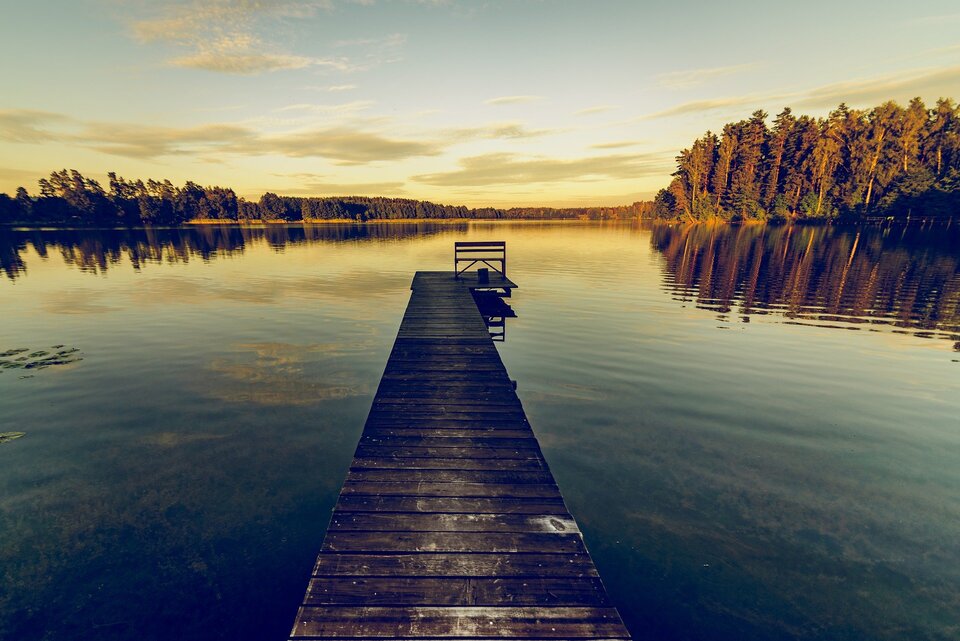
Transfer to Luknajno Lake Reserve often called the Swan Lake (UNESCO Biosphere Reserve).
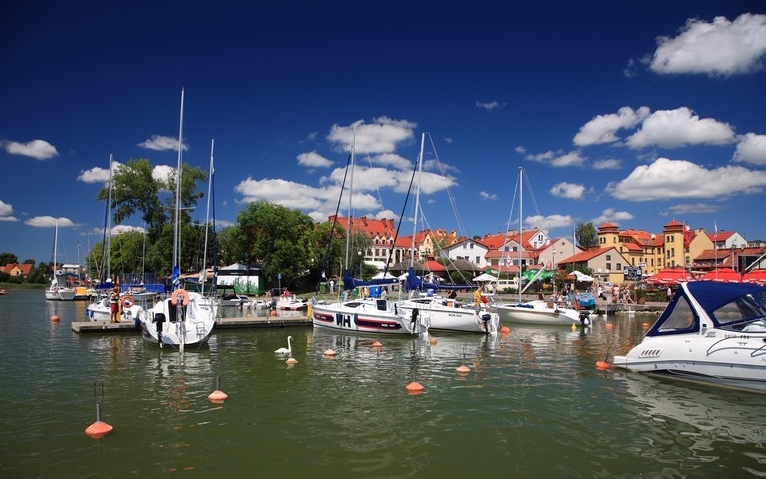
Continue to Mikolajki, the most famous Masurian village with a beautiful marina. There are two lakes merged within the urbanized area of the city: Lake Mikolajski and Lake Talty, and the largest in Poland, Lake Sniardwy (113 km2), is located 40 km away.
Stop for masurian souvenir hunt and a lunch.
Transfer to Nowogrod and visit to the open air museum in Nowogrod presenting traditional wooden buildings of the region.
Continue to Bialystok.
Accommodation in a centrally located hotel in Bialystok.
| Day 14 | > Bialystok > Tykocin > Warsaw |


Breakfast in the hotel & check out.
Bialystok is the largest city in the region of north-eastern Poland. It is surrounded by a beautiful natural area called the Green Lungs of Poland which is full of tourist attractions. The location nearby Lithuania and Belarus had a significant influence on the historical and present functioning of the city itself and the entire Podlasie region. Many different cultures, religions and nationalities have lived here for centuries. During a sightseeing you could have a chance to see Branicki Palace , the most valuable monument of Bialystok, also known as the Versailles of Podlasie, the Old Market area and the Town Hall.
Free time for lunch.
Transfer from Bialystok to Warsaw with a stopover in Tykocin.
Tykocin is, a charming city with a special atmosphere. Today it looks exactly like before World War II. One can still admire king’s castle, 18th century monastery and church, astonishing 17th century synagogue as well as wooden houses more than 100 years old. The Jewish community was formed here in 16th century and it constituted a great cultural center, becoming one of the largest Jewish communities in Poland. The synagogue of Tykocin is the second largest synagogue in Poland after that one in Krakow.
Continue to Warsaw.
Accommodation in a centrally located hotel in Warsaw.
| Day 15 | > Warsaw |


Breakfast at your hotel.
Transfer to the airport in Warsaw.
END of SERVICES.
Contact us
If you want us to prepare a special trip for you, please write us specifying all your requirements. We will be happy to answer.
Poland Tour – a complete 15-day journey through Poland’s cities, landscapes, and cultural heritage
If your goal is to truly understand Poland—not just visit a few cities, but experience the country as a whole—this extended 15-day itinerary offers the most comprehensive solution available. It combines major cultural centers, historical landmarks, natural regions, and lesser-known destinations into one continuous, fully structured journey.
This is not a short overview or a highlight trip. It is a deep, multi-layered travel experience designed to show Poland in its full diversity: from royal cities and UNESCO sites to rural regions, mountains, lakes, and places shaped by complex history.
Every element of the route is based on real operational experience, ensuring that the journey is not only rich in content, but also logical, efficient, and comfortable across long distances.
What makes a 15-day Poland tour fundamentally different from shorter itineraries?
Shorter tours focus on selected highlights. This program goes further by connecting regions that are rarely combined within a single trip.
Instead of limiting the experience to the most obvious destinations, this itinerary allows you to:
- explore multiple regions with distinct identities
- understand historical continuity across cities
- experience both urban and natural environments
- visit places that are often omitted in standard programs
The result is a journey that feels complete rather than selective.
A structured route across the entire country
One of the strongest advantages of this program is its route design.
The journey follows a logical progression across Poland, avoiding unnecessary backtracking while ensuring that each destination adds a new perspective.
Along the way, you experience:
- Warsaw as the modern and historical capital
- eastern Poland with cities like Lublin and unique towns such as Kazimierz Dolny
- southern Poland including Kraków and the Tatra Mountains
- central regions with religious and historical significance
- western and northern cities such as Poznań, Toruń, and Gdańsk
- Masurian lakes and northeastern regions with strong cultural diversity
This structure creates a continuous narrative rather than a collection of disconnected stops.
From major cities to hidden regional highlights
The itinerary is not limited to well-known destinations. It also includes places that provide a deeper understanding of Poland.
You move from globally recognized cities to locations such as:
- Zalipie, known for its unique folk art traditions
- Ogrodzieniec Castle, representing medieval defensive architecture
- Biskupin, one of the most important archaeological sites in Central Europe
- Tykocin, preserving pre-war urban structure and multicultural heritage
These stops add depth and authenticity to the journey.
Cultural, historical, and natural layers in one itinerary
This program is designed to balance different types of experiences.
Throughout the journey, you encounter:
- UNESCO-listed old towns and monuments
- sites connected to World War II and European history
- religious landmarks with national significance
- mountain landscapes and national parks
- lake districts and natural reserves
This combination ensures that the experience is not repetitive and evolves as you travel.
Kraków, Warsaw, and beyond – understanding Poland’s identity
Major cities like Warsaw and Kraków play a key role in the itinerary, but they are only part of the experience.
Warsaw introduces modern Poland and its resilience. Kraków represents historical continuity and cultural heritage. Gdańsk adds a maritime and European perspective.
Between these cities, smaller destinations provide context that helps you understand how Poland developed across centuries.
Travel flow and long-distance coordination
A 15-day itinerary requires precise planning. Poor structure can lead to fatigue, inefficiency, and wasted time.
This program avoids that by:
- balancing travel days with sightseeing intensity
- placing accommodation in strategic locations
- ensuring smooth transitions between regions
- maintaining a realistic pace throughout the journey
This level of coordination is essential for maintaining comfort during extended travel.
Experiences that go beyond standard sightseeing
The program includes elements that make the journey more dynamic and engaging.
These include:
- visits to underground sites such as salt mines
- exposure to local traditions and regional culture
- opportunities to explore both cities and natural environments
- encounters with places shaped by different historical influences
This transforms the itinerary into a more immersive experience rather than a checklist of attractions.
Who is this tour designed for?
This program is particularly suitable for:
- travelers who want a complete overview of Poland
- visitors planning a once-in-a-lifetime trip
- people interested in history, culture, and regional diversity
- those who prefer a structured, long-form travel experience
It is less suitable for travelers looking for slow travel or a single-region focus.
When is the best time to take a 15-day Poland tour?
Due to its length and diversity, this itinerary changes significantly depending on the season.
Spring and early autumn offer the best balance between weather and comfort. Summer allows for longer days and more outdoor activities, especially in mountain and lake regions. Winter creates a more atmospheric but less dynamic version of the route.
Choosing the right season has a strong impact on the overall experience.
Why a long-form itinerary provides the deepest travel experience
Exploring a country like Poland requires time. Short trips can only provide a partial view.
A 15-day program allows you to:
- understand regional differences
- experience a wider range of landscapes
- see how history connects different locations
- travel at a pace that still allows meaningful exploration
This creates a more complete and lasting impression of the country.
The role of local expertise in complex itineraries
Designing a route of this scale requires deep knowledge of the country.
This program is developed by specialists who:
- understand real travel conditions
- know how to optimize long-distance routes
- select locations that create a balanced experience
- ensure that each day contributes to the overall journey
Without this level of expertise, creating a similar itinerary independently would be significantly more difficult.
Why this is one of the most complete ways to explore Poland
This tour combines:
- major cities and iconic landmarks
- lesser-known destinations and regional highlights
- natural landscapes and cultural experiences
- structured planning with a logical travel flow
As a result, it offers one of the most comprehensive travel experiences available in Poland.
FAQ
How long is the Poland Tour program?
The itinerary lasts 15 days and 14 nights, covering multiple regions across the country.
Is this tour suitable for first-time visitors?
Yes, it is one of the most complete options for first-time visitors who want to see as much of Poland as possible.
Does the itinerary include both cities and nature?
Yes, the program combines urban destinations, historical sites, and natural regions such as mountains and lakes.
Is the travel pace intensive?
The itinerary is dynamic due to the number of destinations, but it is structured to maintain comfort and balance.
Can the program be customized?
In many cases, elements of the itinerary can be adjusted depending on specific needs and preferences.