


Poland: Jewish Heritage
9 days / 8 nights
Discover the Jewish Heritage in Poland, known as the cultural and spiritual centre of European Jews. Learn about the history of Polish Jews: Arthur Rubinstein, Wladyslaw Szpilman, Ludwik Zamenhof, Helena Rubinstein (the creator of the cosmetics brand) and much more.
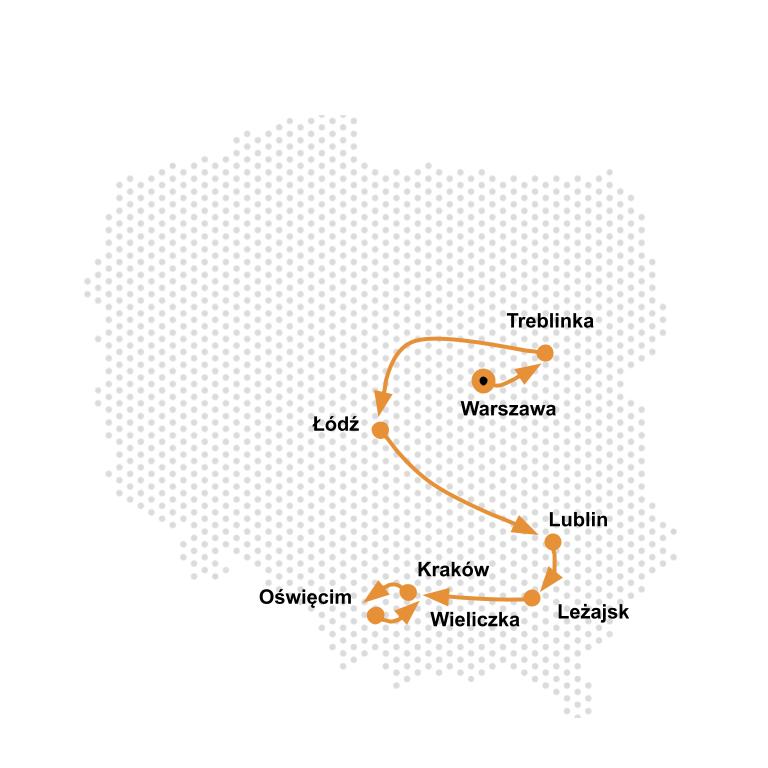
| Day 1 | > Warsaw |
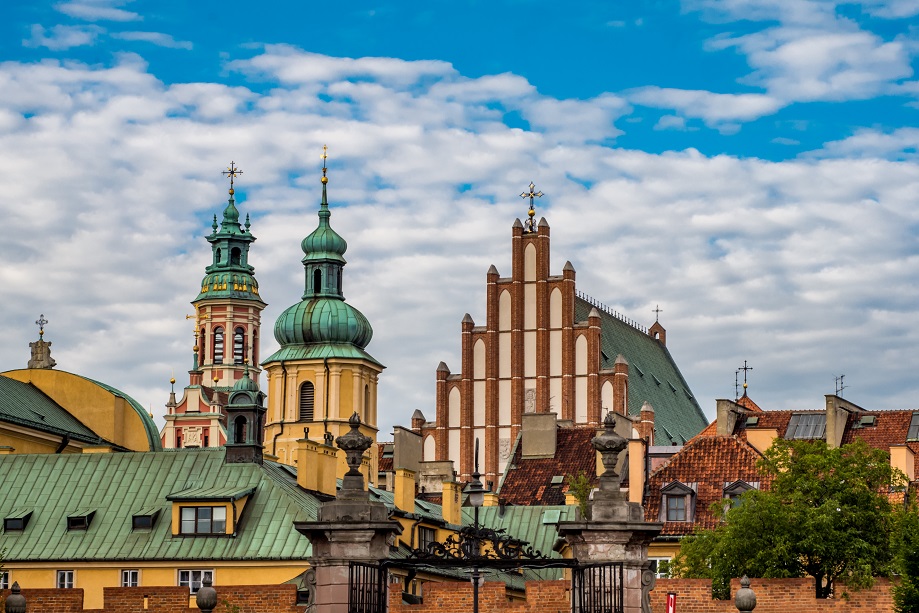
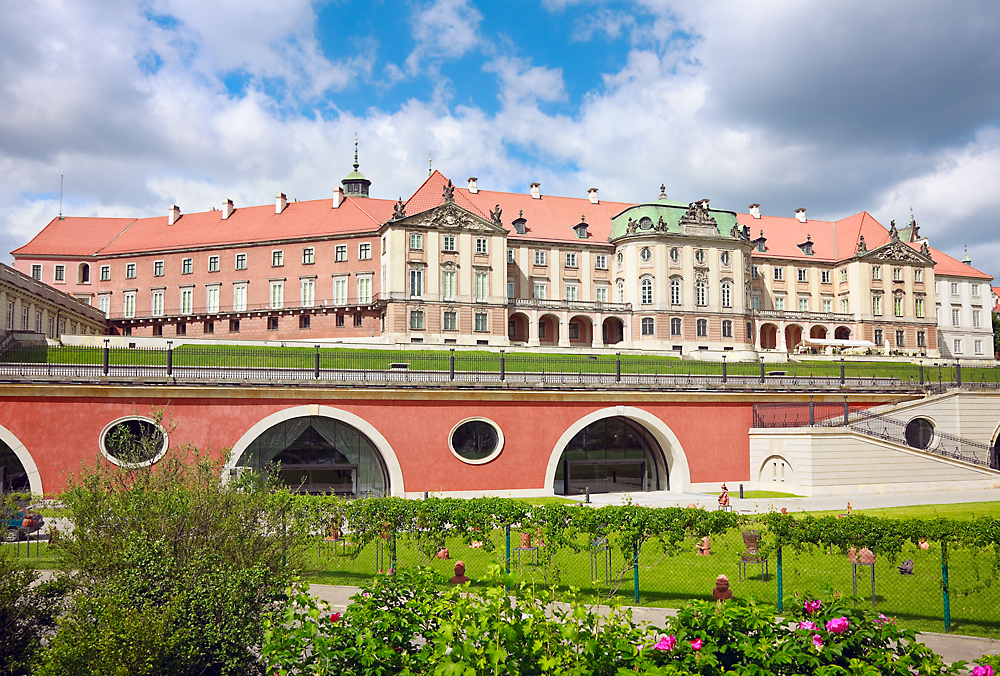


Welcome to Poland !
Arrival to Warsaw. Transfer to the hotel and check-in.
Free afternoon.
Accommodation in a centrally located hotel in Warsaw.
| Day 2 | > Warsaw |


Breakfast at your hotel.
In the morning sightseeing of Warsaw. The City Tour allows us to immerse ourselves in and observe the many contrasts of the Polish capital city. The tour starts with a walk around the Lazienki Royal Park. Here we will see the famous monument dedicated to Frederic Chopin, the Palace on the Water and the Theater on the Island. We will continue with transfer to the Old Town (UNESCO) and a short walk around the Old Town: from the Royal Castle, passing next to the Saint John Cathedral, the Market Square and the barbacane to the New Town. We will continue to the Krasinski Palace, the Supreme Court bulding. Our itinerary will continue with the Grand Theatre and the National Opera, the Jablonowscy Palace, the Tomb of the Unknown Soldier and the Saxon Garden.
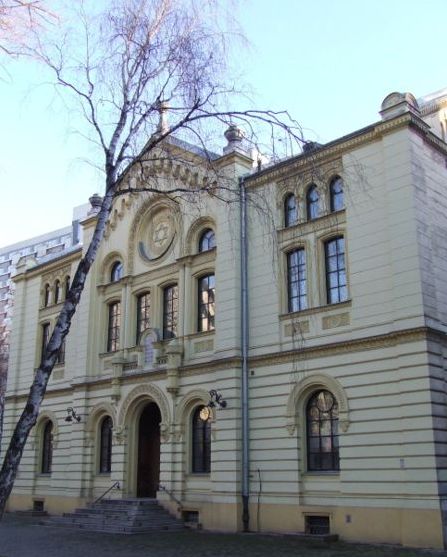
In the afternoon sightseeing of Warsaw Jewish part. From the 11th century till the beginning of the World War II, Poland was known as the cultural and spiritual centre of European Jews. Many of the Polish Jews gained the fame all around the world. As examples we can mention: Arthur Rubinstein, Wladyslaw Szpilman (his story is the base of the Polanski’s movie “The Pianist”). During your trip around Warsaw you will have a chance to see parts of old Jewish Warsaw, synagogue, kirkut (cemetery) and other places connected with the rich history and traditions of Polish Jews as well as the monuments commemorationg martyrdom of Jews during WWII and Jewish Uprising in the Warsaw Ghetto.
Accommodation in a centrally located hotel in Warsaw.
| Day 3 | > Warsaw > Treblinka > Warsaw |


Breakfast at your hotel.
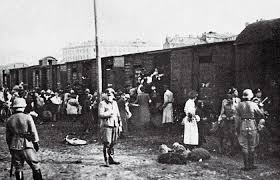
In the morning excursion to Treblinka to see the museum in the former concentration and extermination camp built by the Germans in the Polish lands during the second world war. In just 16 months when the camp in Treblinka was in operation, it is estimated that almost 800,000 people were killed in its gas chambers, which makes it the second-largest Nazi death camp apart from Auschwitz.
Continue to Tykocin, a charming city with a special atmosphere. Today it looks exactly like before World War II. One can still admire king’s castle, 18th century monastery and church, astonishing 17th century synagogue as well as wooden houses more than 100 years old. The Jewish community was formed here in 16th century and it constituted a great cultural center, becoming one of the largest Jewish communities in Poland. The synagogue of Tykocin is the second largest synagogue in Poland after that one in Krakow.
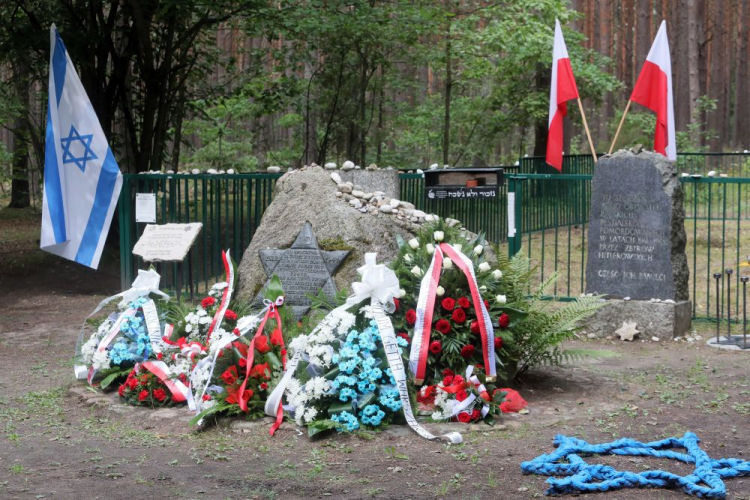
Stop in nearby Lopuchowo forest, where the Jewish community of Tykocin was murdered. It holds mass graves of 2.500 inhabitants.
Accommodation in a hotel centrally located in Warsaw.
| Day 4 | > Warsaw > Lodz > Warsaw |


Breakfast at your hotel.
1 day trip from Warsaw to Lodz.
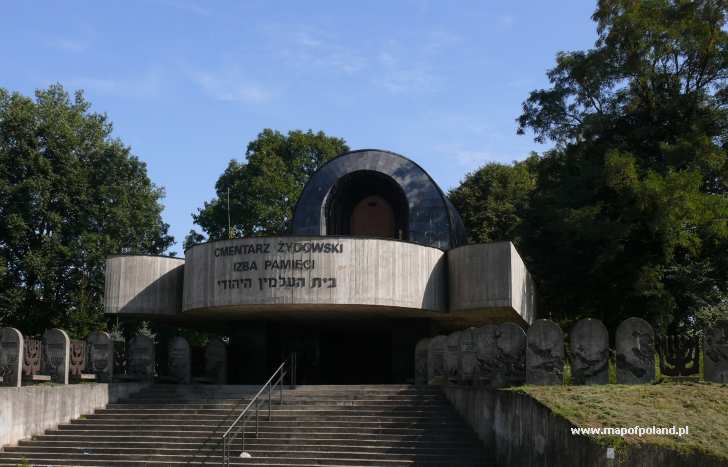
Get to know the history of Jews of Lodz – once one of the biggest Jewish society in Poland. Stop by the Radegast station, the final point of trains transporting Jews from western European countries and provincial ghettos from Wartheland. See the Jewish cemetery, the largest Jewish necropolis in Poland. Pass the Children’s Martyrdom Monument, also called the monument of the Broken Heart, dedicated to Polish children who died or were murdered while being imprisoned in the camp in Przemysłowa Street. Take a rest in the Survivors’ Park commemorating the liquidation of the ghetto and stop under one of over 600 “memory trees” planted by those who survived the Litzmannstadt Ghetto. Visit the only remaining pre-war synagogue – Reicher synagogue which survived the times of occupation as a salt warehouse. Discover the renovated industrial complex of the Manufaktura, belonged to a Jewish businessman Israel Poznanski with an open-air plaza surrounded by large brick buildings and the longest stretch of fountains in Europe. At the end take a walk along Piotrkowska Street, a popular avenue full of shops, pubs, restaurants, and sculptures that commemorate famous inhabitants of Lodz and learn from your guide what else you can discover on your own after this tour.
Transfer back to Warsaw.
Accommodation in a hotel centrally located in Warsaw.
| Day 5 | > Warsaw > Lublin > Warsaw |


Breakfast at your hotel.
Transfer from Warsaw to Lublin.
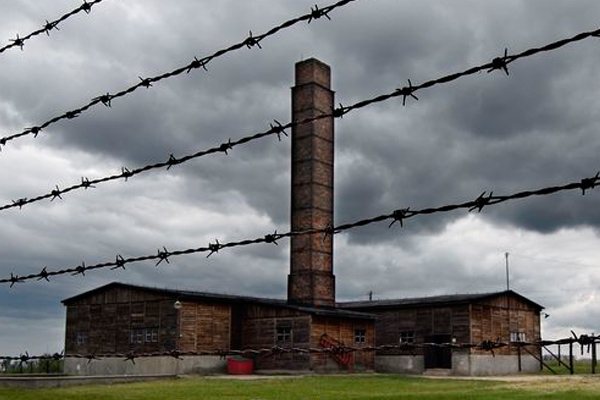
Get to know the history of Lublin Jews. Go through a Memorial Trail of Lublin Jews, that commemorates places related to the tragic history of the Jewish community and marks the borders of the ghetto in Podzamcze and the last road of Lublin Jews to Umschlagplatz, from where about 28,000 people were transported to the death camp in Bełżec. Hear about a world that no longer exists. See the Lublin castle, the Grodzka Gate (called also the Jewish Gate), Chewra Nosim Synagogue – the only preserved pre-war Jewish temple, the Old Jewish Cemetery, and the former Academy of the Sages of Lublin – currently hotel and synagogue. Finally visit the Majdanek State Museum – the former German Nazi Concentration and Extermination Camp. Enjoy the most important places for Jewish history in Lublin and learn from your guide what else you can discover on your own after this tour.
Accommodation in a hotel centrally located in Lublin.
| Day 6 | > Lublin > Lezajsk > Krakow |

Breakfast at your hotel.
Transfer from Lublin to Lezajsk.
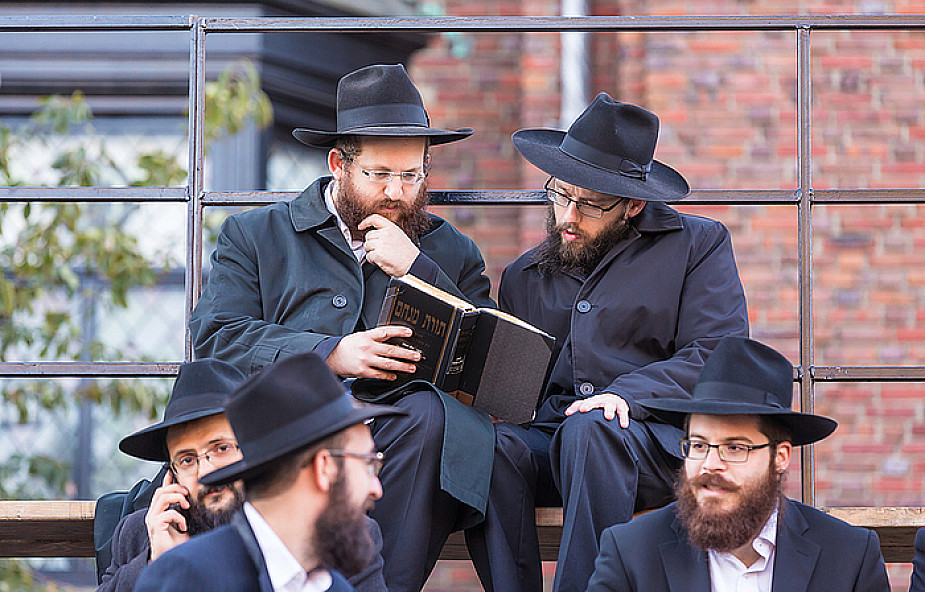
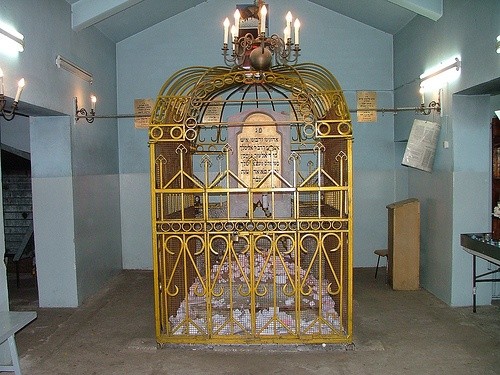
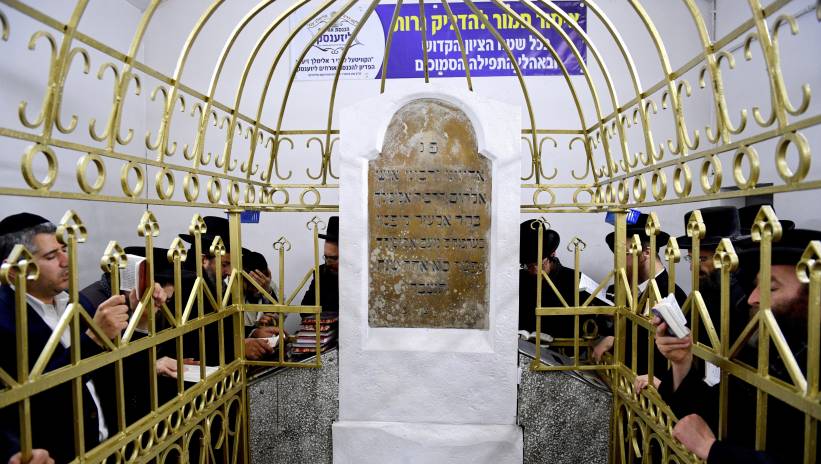
Lezajsk, a city located in the valley of the San River in the Podkarpackie Voivodeship. It is here that Hasidim Jews from all over the world come to pray at the tomb of Tzadik Elimelech who lived in the 18th century. They believe that Tzaddik Elimelech, on the anniversary of his death, descends from heaven and takes to God their prayers for health, well-being for children and success at work. They write them down on pieces of paper called quote and place them at the grave. Prayers are accompanied by traditional dances and singing psalms. Every year the tomb is visited by about 2.5 thousand believers.
Further transfer to Krakow.
Accommodation in a hotel centrally located in Krakow.
| Day 7 | > Krakow |


Breakfast at your hotel.
In the morning sightseeing of Krakow – the cultural capital of Poland with Old Town listed as UNESCO Heritage. During the tour you would see Barbican and defensive walls with Florian’s Gate, the Main Market Square with Sukiennice Cloth Hall, St Mary’s Church and Town Hall Tower. We would proceed to the Jagiellonian University, pass by Archbishop Palace (where John Paul II used to live) as well as St Andrew’s Church and St Peter and Paul’s Church to reach the Wawel Hill.
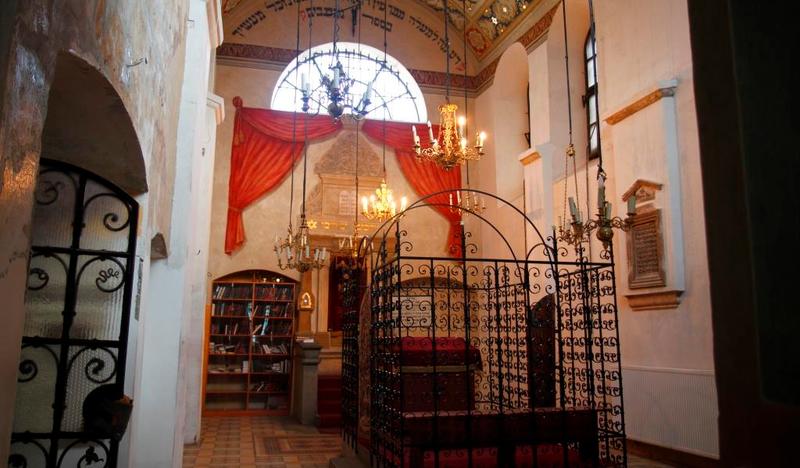
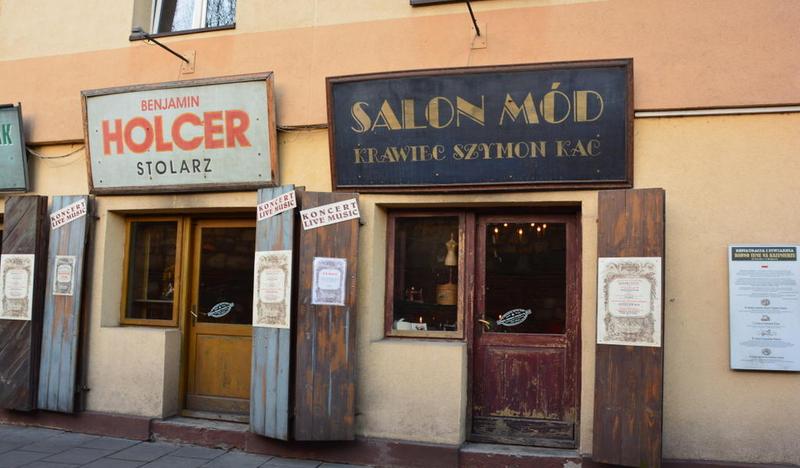
In the afternoon we will explore Krakow Kazimierz Jewish District known from Schindler’s List. Kazimierz used to be a separate town close to medieval city of Krakow. It was mostly populated by Jewish community. Throughout years it became Krakow’s district, but the abundance of markets, synagogues and kirkuts (Jewish cemeteries) shaped character of this part of town. As Kazimierz depicts the history of Polish Jews, some shots of Steven Spielberg Schindler’s List were captured here. During this tour you would discover this charming part of Krakow with its monuments and complexed history.
Accommodation in a hotel centrally located in Krakow.
| Day 8 | > Krakow > Auschwitz-Birkenau > Wieliczka > Krakow |


Breakfast at your hotel.
Transfer to Oswiecim (Auschwitz).
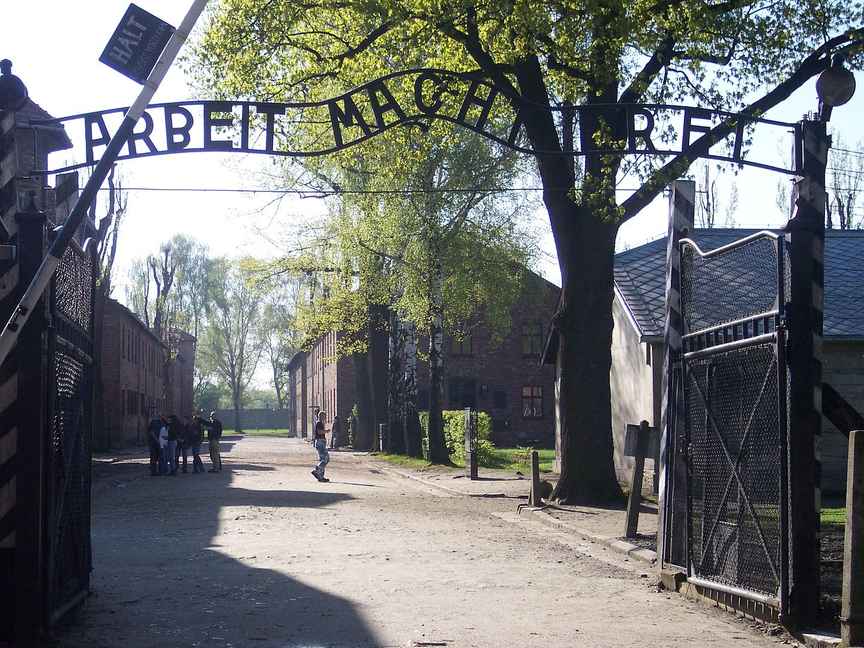
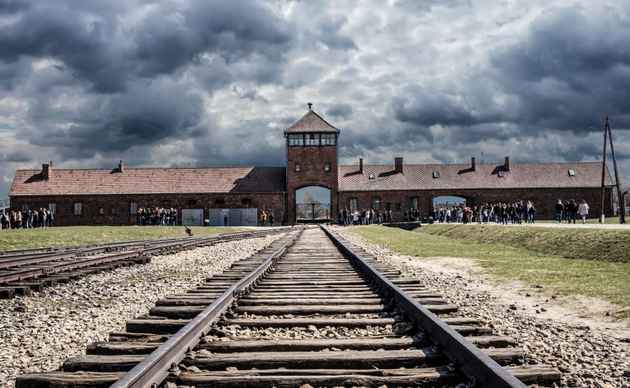
All over the world, Auschwitz has become a symbol of terror, genocide and the Holocaust. It was established by the Nazis in 1940, in the suburbs of the city of Oswiecim (Auschwitz in German) which, like other parts of Poland, was occupied by the Germans during the Second World War. A visit to concentration and extermination camp museum might help you to comprehend what incomprehensible.
Transfer from Krakow to Wieliczka the most beautiful and the oldest operating salt mine in the world (UNESCO Heritage). From over 700 years it was a source of Polish fortune and a physical fundament of culture. Today Wieliczka is the most willingly visited Polish tourist object with magnificent chapels, charming underground lakes and original tools and equipment. During this tour you could see a number of excavated chambers on 3 levels adorned with beautiful sculptures made of salt as well as a salt museum. Transfer back to Krakow.
Accommodation in a hotel centrally located in Krakow.
| Day 9 | > Krakow |


Breakfast at your hotel.
Transfer to the Balice airport in Krakow.
End of our services.
Contact us
If you want us to prepare a special trip for you, please write us specifying all your requirements. We will be happy to answer.
Poland Jewish heritage tour – a journey through memory, identity, and cultural revival
The Poland Jewish heritage tour is not a typical historical itinerary. It is a carefully structured journey that allows travellers to engage with one of the most complex and meaningful cultural narratives in Europe. This experience goes beyond visiting landmarks. It creates space for understanding a community that shaped Poland for centuries, experienced profound tragedy, and continues to rebuild and redefine its identity in the modern world.
Poland was once the heart of Jewish life in Europe. For generations, it was a place where Jewish culture, religion, education, and everyday life flourished on an extraordinary scale. Today, traces of that world remain visible in cities, architecture, traditions, and collective memory. Travelling through Poland in this context means entering a layered story that combines cultural richness, historical depth, and emotional reflection.
This journey is not only about the past. It is equally about the present and the future. It reveals how Jewish heritage is being preserved, rediscovered, and reinterpreted, creating a living cultural landscape that continues to evolve.
Warsaw – memory, loss, and the foundation of understanding
The journey often begins in Warsaw, a city that carries one of the most powerful narratives in Jewish history. Before the Second World War, Warsaw was home to one of the largest Jewish communities in the world. Today, the city reflects both the magnitude of what was lost and the importance of remembrance.
Walking through the former Jewish district, travellers encounter sites that tell a story of resilience and destruction. The area of the Warsaw Ghetto, once the largest in Nazi-occupied Europe, provides essential context for understanding the scale of the Holocaust and the strength of those who resisted it. This is not a place designed for passive observation. It requires engagement, reflection, and awareness.
At the same time, Warsaw represents renewal. Modern institutions, cultural initiatives, and educational spaces demonstrate how memory is preserved and shared with new generations. This dual perspective – loss and revival – sets the tone for the entire journey.
Kraków and Kazimierz – a living memory of Jewish culture
Kraków offers a different, yet equally powerful perspective. Unlike Warsaw, where much was destroyed, Kraków retains a more visible continuity of Jewish heritage. The Kazimierz district stands as one of the most important centres of Jewish history in Europe.
Walking through its streets, travellers experience a unique blend of past and present. Synagogues, cemeteries, and historic buildings coexist with contemporary cultural life. This creates an atmosphere where history is not distant, but present and tangible.
Kazimierz is not only a historical site. It is also a space of revival, where Jewish culture is being actively rediscovered and celebrated. This makes the experience more dynamic, allowing visitors to see how heritage can be both preserved and transformed.
Auschwitz-Birkenau – confronting history and understanding its impact
No exploration of Jewish heritage in Poland can be complete without acknowledging Auschwitz-Birkenau. This site represents one of the most significant and tragic chapters in human history.
Visiting Auschwitz is not about tourism. It is about confrontation with reality, memory, and responsibility. The scale of the site, the preserved structures, and the narratives shared there create an experience that is both overwhelming and essential.
For many travellers, this becomes a defining moment of the journey. It provides context that cannot be replaced by books or lectures. It transforms abstract knowledge into a direct, personal understanding of history.
At the same time, it reinforces the importance of remembrance and education. It highlights why preserving Jewish heritage is not only about the past, but about ensuring awareness in the present and future.
Jewish culture as a living and evolving identity
One of the most important aspects of this tour is its focus on continuity. Jewish heritage in Poland is not limited to historical sites. It is also expressed through culture, art, music, and community life.
In cities such as Kraków and Warsaw, cultural events, festivals, and educational programs play a crucial role in rebuilding and maintaining Jewish identity. These initiatives demonstrate that heritage is not static. It evolves, adapts, and remains relevant.
Experiencing this modern dimension adds depth to the journey. It shows that Jewish culture in Poland is not only something to be remembered, but something that continues to exist and develop.
Culinary traditions and everyday heritage
Food plays a unique role in understanding cultural identity. Jewish culinary traditions in Poland offer insight into everyday life, history, and adaptation.
Traditional dishes reflect both religious practices and regional influences. At the same time, modern interpretations of these recipes show how heritage can be preserved while adapting to contemporary tastes.
This aspect of the journey provides a different perspective. It connects history with daily life, making the experience more relatable and accessible.
Education, dialogue, and rebuilding connections
An important element of Jewish heritage tours in Poland is the emphasis on education and dialogue. Many sites and institutions are dedicated not only to preservation, but also to creating understanding between different cultures and communities.
Educational programs, guided narratives, and intercultural initiatives help visitors gain a deeper perspective on Jewish history and its role in shaping European identity. They also highlight the importance of dialogue in building a more inclusive and informed society.
This dimension transforms the journey into something more than travel. It becomes an opportunity for learning, reflection, and connection.
A structured journey with emotional depth
What distinguishes the Poland Jewish heritage tour is its balance between structure and emotional depth. The itinerary is designed to guide travellers through key locations in a logical and meaningful sequence, while still allowing space for personal interpretation.
Each destination adds a new layer to the story. From historical context to personal narratives, from tragedy to revival, the journey builds a comprehensive understanding of Jewish life in Poland.
This structure ensures that the experience is not fragmented, but cohesive and engaging.
Who this journey is for
This tour is designed for travellers who are looking for more than a traditional sightseeing experience. It appeals to individuals interested in history, culture, identity, and human stories that go beyond simplified narratives.
It is particularly valuable for those who want to understand the complexity of European history and the role of Jewish communities within it. Whether the motivation is personal, educational, or cultural, the journey offers a meaningful and impactful experience.
Why this experience stays with you
The Poland Jewish heritage tour is not a journey that ends when you return home. The stories, emotions, and reflections it creates tend to stay with travellers long after the trip is over.
It changes perspective. It deepens understanding. It connects individuals with a broader narrative that goes beyond borders and generations.
This is what makes it different from standard travel. It is not about places alone, but about meaning, memory, and identity.
FAQ – Poland Jewish heritage tour
What does a Jewish heritage tour in Poland include?
The tour includes visits to major historical cities such as Warsaw and Kraków, important Jewish districts, synagogues, cemeteries, museums, and memorial sites. It also often includes locations connected to World War II history, providing a complete and contextual experience.
Is the tour emotionally difficult?
Parts of the tour, especially visits to sites such as Auschwitz-Birkenau, can be emotionally challenging. However, this is also what makes the experience meaningful and impactful. The journey is designed to balance difficult moments with cultural and educational context.
Is this tour suitable for people without a Jewish background?
Yes. The tour is open to anyone interested in history, culture, and identity. It provides valuable insight regardless of personal background and is often appreciated by travellers seeking a deeper understanding of European history.
How long does the tour usually last?
The duration varies, but most tours are organised as multi-day experiences, typically around 6 to 8 days. This allows enough time to explore key locations without rushing.
Can the itinerary be customised?
Yes. The tour can be adapted depending on interests, group size, and specific focus areas. Some travellers may choose to emphasise historical sites, while others may focus more on cultural or educational elements.
What makes Poland unique in terms of Jewish heritage?
Poland was historically the centre of Jewish life in Europe, making it one of the most significant locations for understanding Jewish history. The combination of preserved sites, educational institutions, and ongoing cultural revival creates a unique and comprehensive experience.