


E-Bike adventure in Lubelskie region
8 days / 7 nights
Discover the beauty of the Lubelskie region by e-bike, exploring its scenic landscapes, charming villages, and historical landmarks. Ride through lush forests, rolling hills, and along picturesque rivers, with stops at cultural sites and local delicacies along the way. Perfect for nature lovers and adventure seekers!

| Day 1 | > Lublin |

Welcome to Poland !
Greetings by your guide at the Lublin airport.
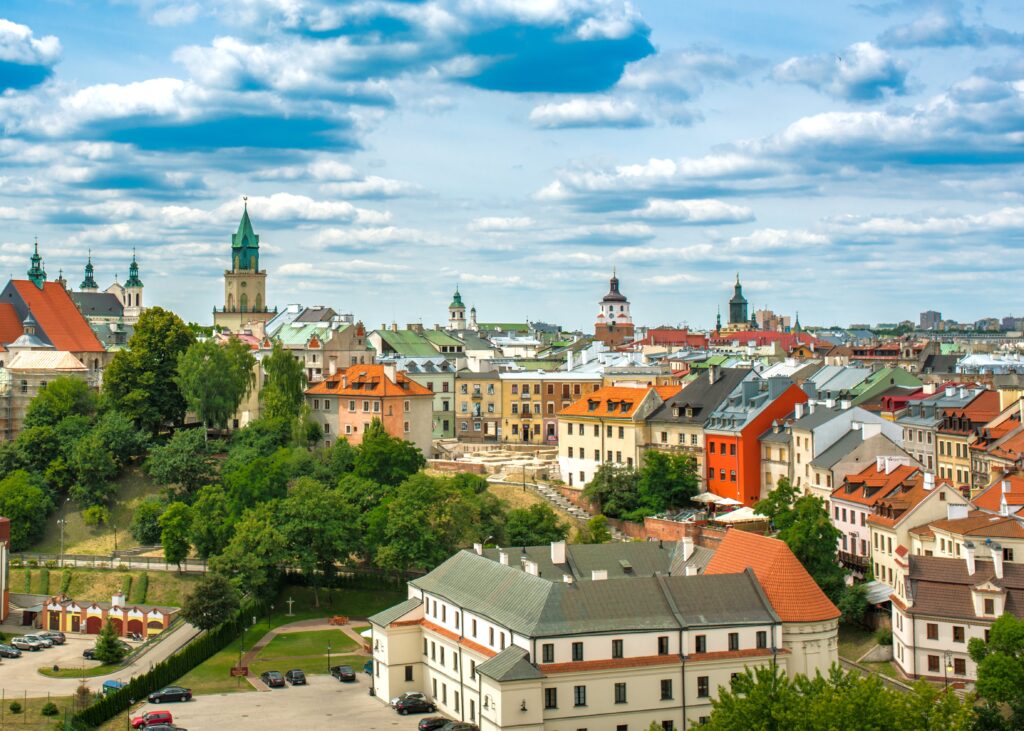
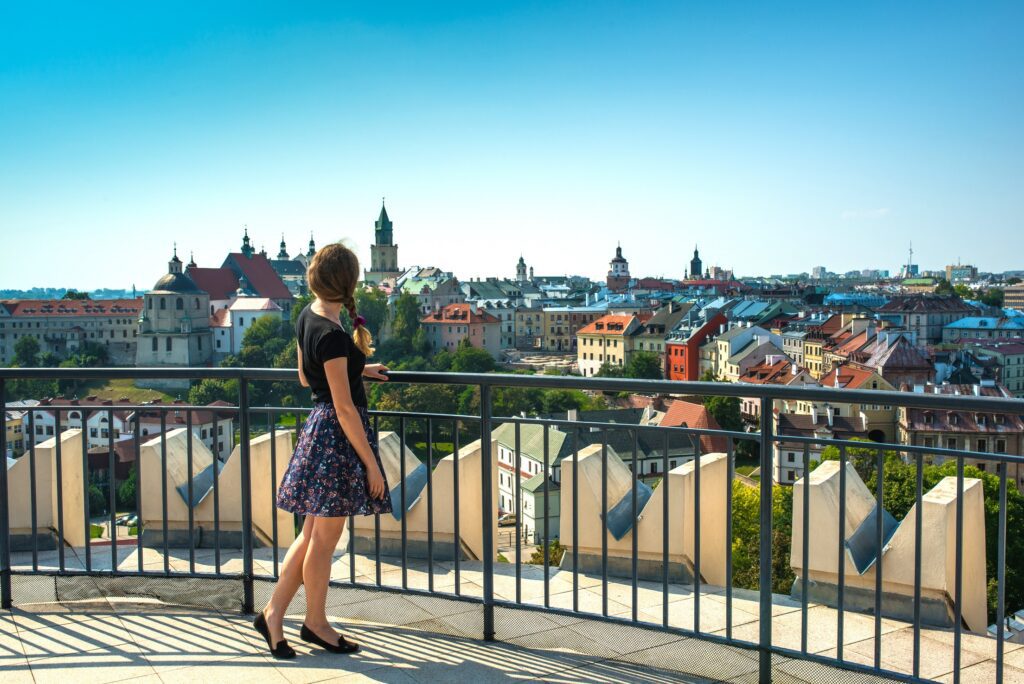
Lublin – European Capital of Culture 2029 is the largest city in south-eastern Poland and a home to a long and fascinating history and stunning Polish architecture.
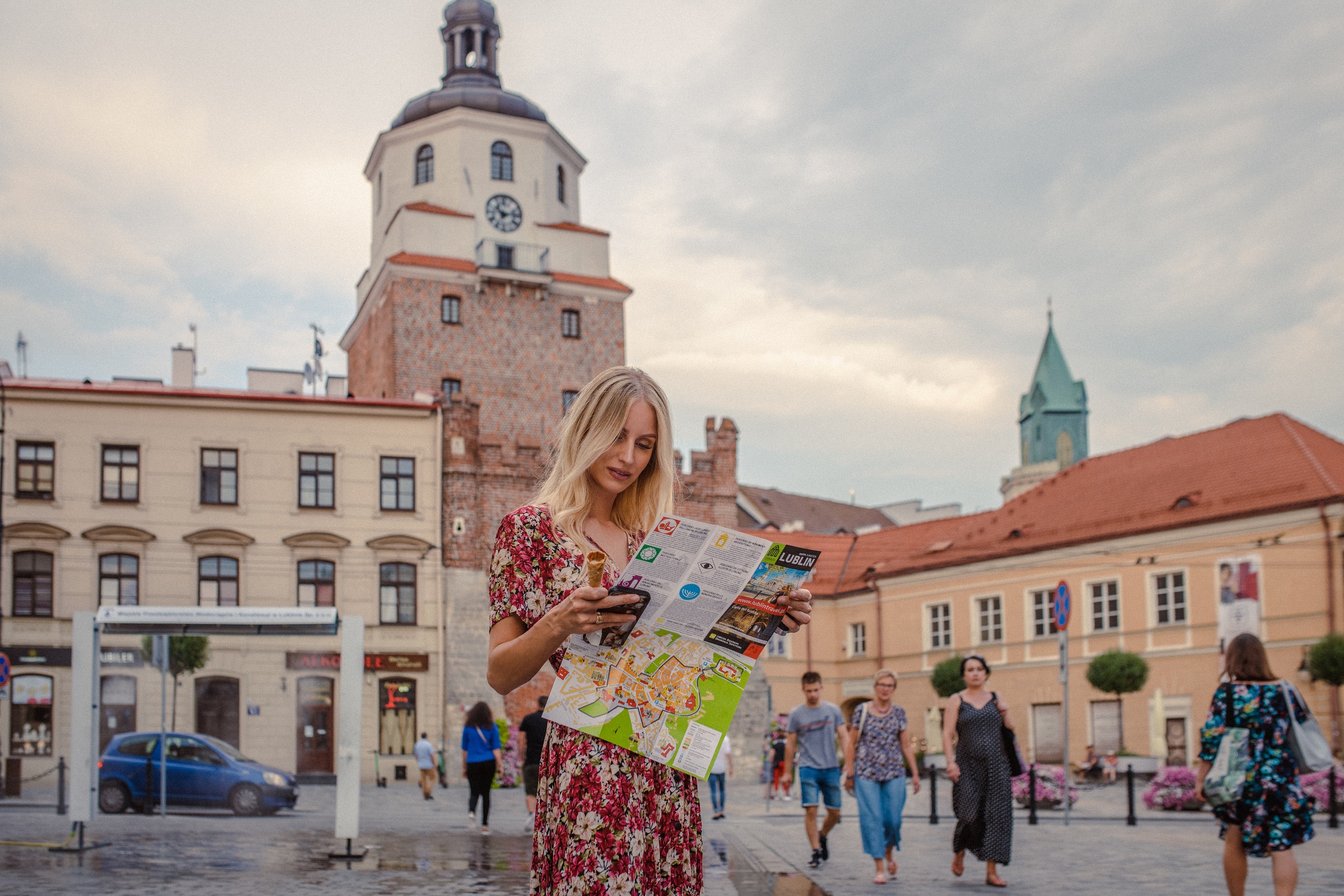
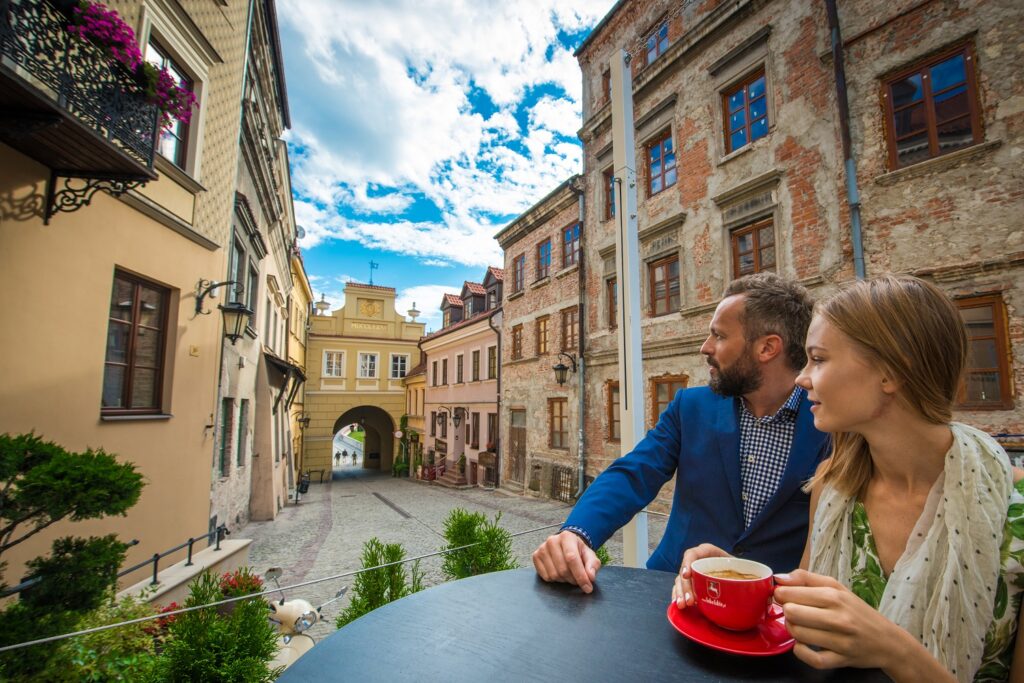
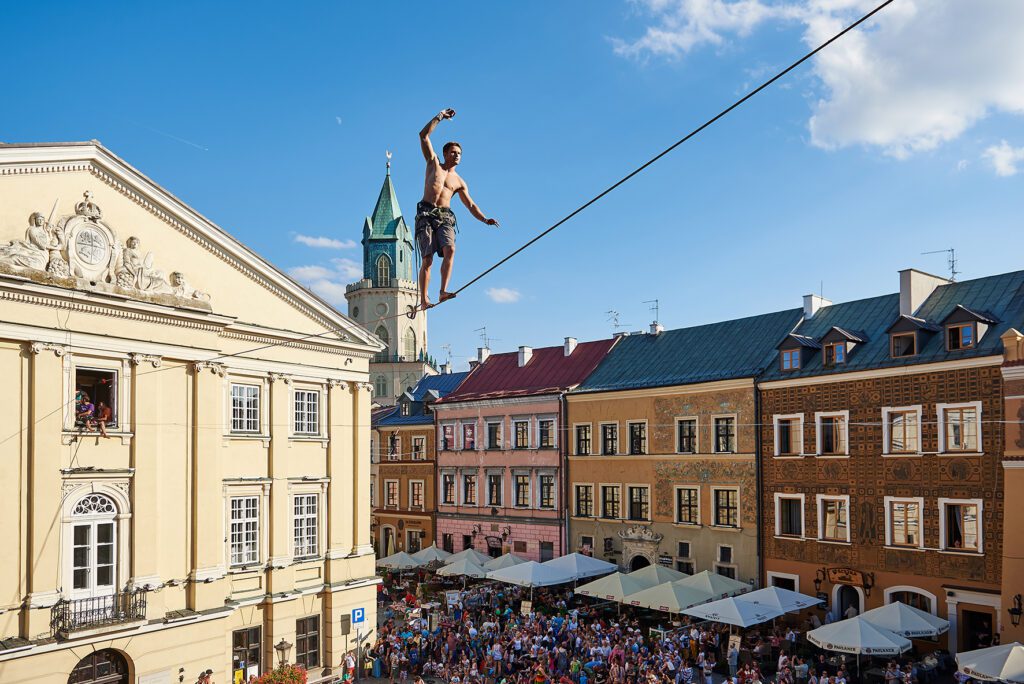
Walk along Krakowkie Przedmiescie, the main Lublin promenade, to Krakow gate, a gateway to the Old Town, housing the Museum of the History of the city of Lublin. Continue to the Trinitarian Tower, the highest view point and the Cathedral with acoustic sacristy, treasury, and crypts. Admire historic, richly decorated tenement houses. Delving into the alleys and streets of the Old Town, find the Stone of Misfortune, a mural with a panorama of Lublin, the Gothic Tower, the Hartwigs alley, and many other hidden treasures. Stop by the Lublin Market Square, a building of the former Crown Tribunal to which the legend of the Devil’s Paw is connected.
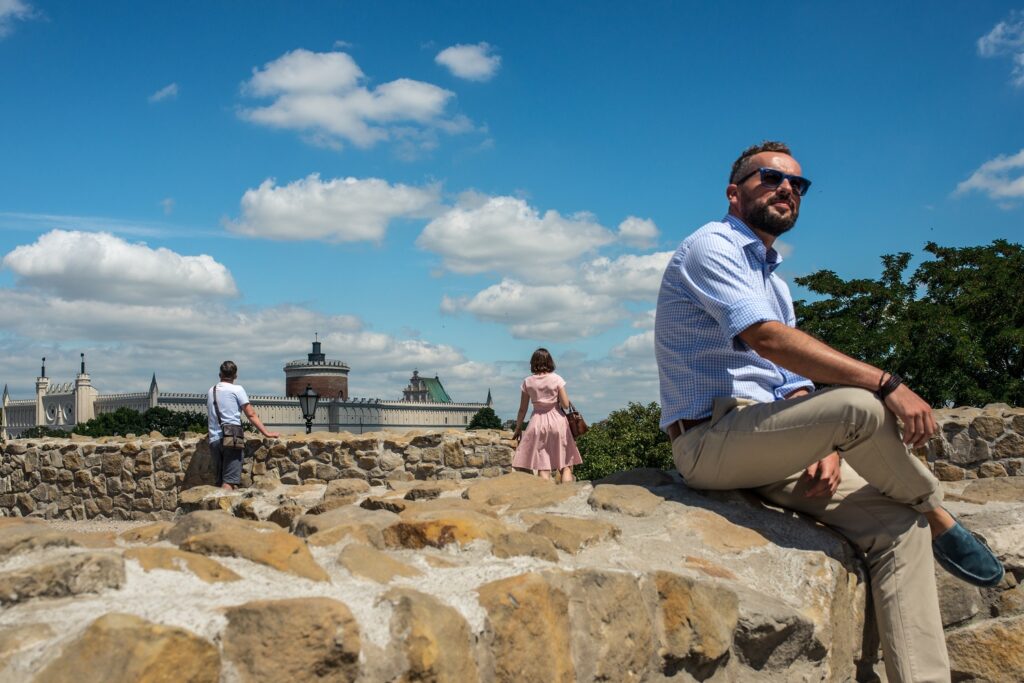
Continue your walk to the Castle, passing the Grodzka Gate, being a passage between the Christian and the Jewish town. Currently, there is the “Grodzka Gate — NN Theater” Centre. Be amazed with the Holy Trinity Chapel and world-unique Byzantine-Ruthenian frescoes inside. Climb up the Donjon, one of the oldest buildings in Lublin with a great viewpoint.
Explore the underground of Perła Brewery for a unique glimpse into Lublin’s brewing history. Taste the local Perła beer and enjoy its authentic Polish flavor.
After a short sightseeing selection of e-bikes and training in their use and safety on the route.
In the evening admire multimedia fountain show at Litewski Square.
Enjoy a regional dinner in Pijalnia Perłowa / Perliczka restaurant.
Overnight in a hotel in Lublin.
| Day 2 | > Zwierzyniec small loop (35 km cycling) |
Breakfast at your hotel and transfer from Lublin to Zwierzyniec.
This bike route takes you through some of the most picturesque and natural areas of southeastern Poland, particularly in the Roztocze National Park. It combines scenic forests, historical sites, and tranquil nature spots, making it a perfect ride for nature lovers and history enthusiasts.
Route: Zwierzyniec – Stawy Echo – Florianka – Górecko Kościelne – Sochy – Zwierzyniec
Distance: ~35 km (loop)
Difficulty: Moderate (some gravel roads and mild elevations)
Surface: Asphalt, gravel, forest paths
Highlights of the Route:
1. Zwierzyniec → Stawy Echo (4 km)
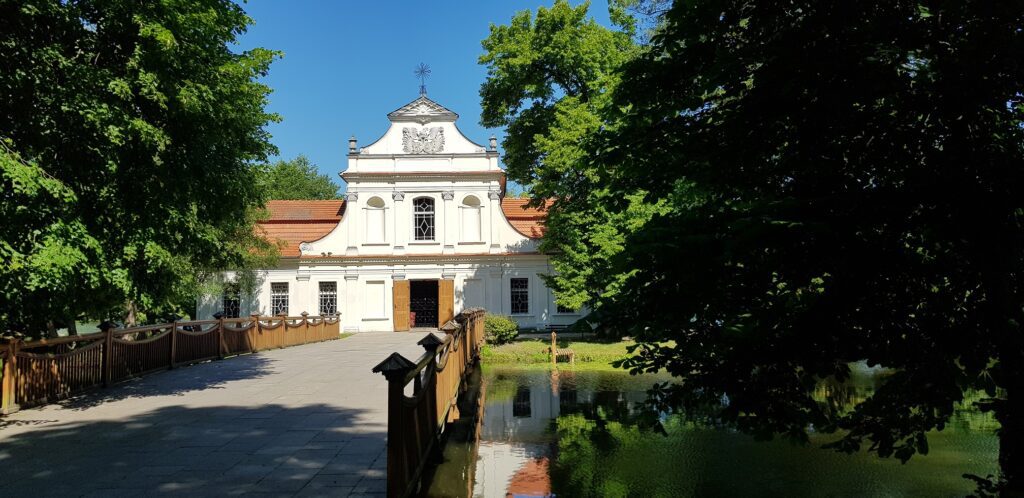
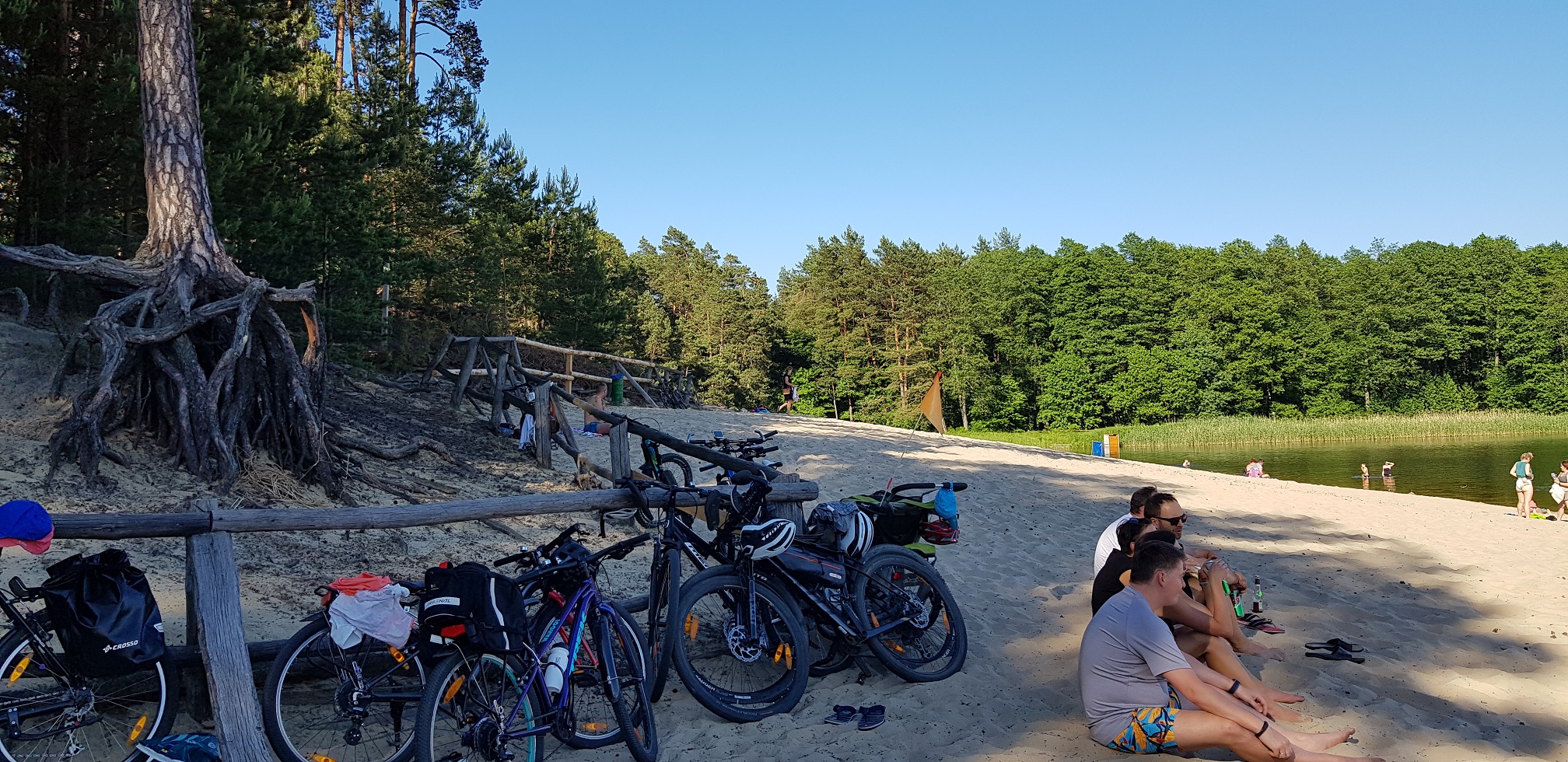
Start your e-bike adventure in Zwierzyniec, a charming town known for its rich history and and the brewery producing high-quality beer in the heart of Roztocze. Ride through the Roztocze National Park, passing scenic forests and small hills. Stop by Stawy Echo – a set of artificial ponds with crystal-clear water, perfect for a short break and a swim. Enjoy wooden viewing platforms with panoramic views of the ponds and surrounding forests.
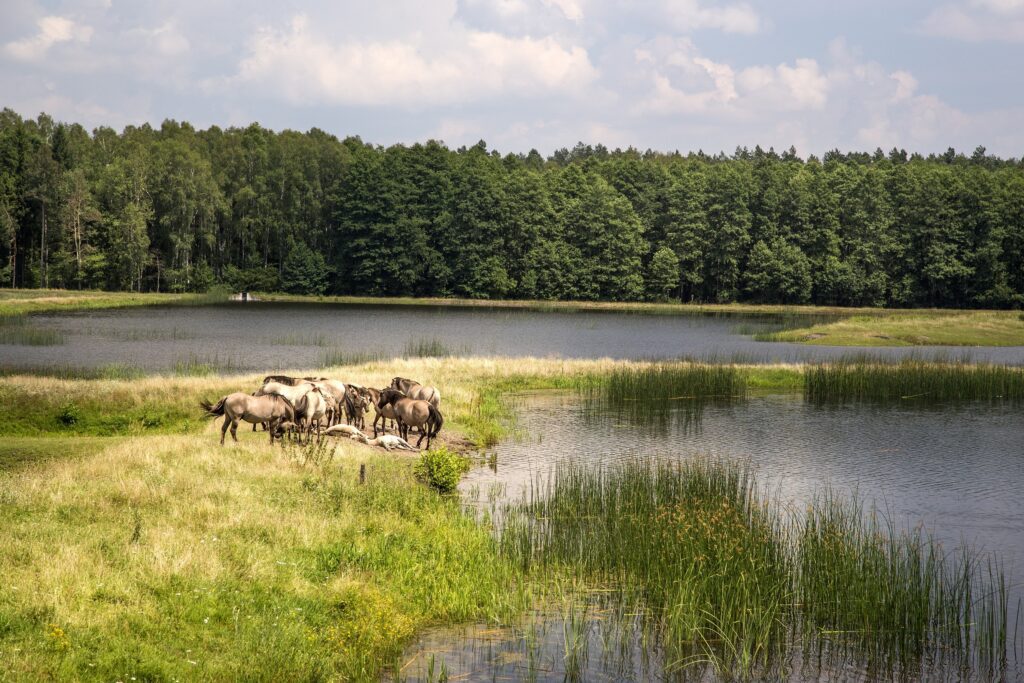
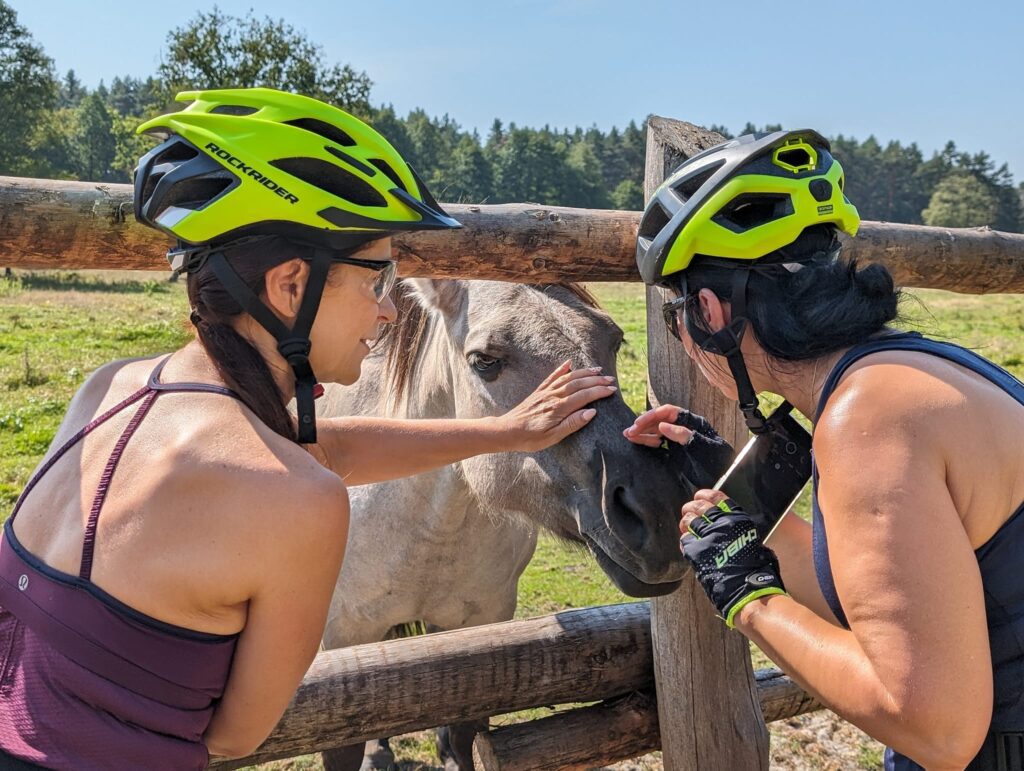
2. Stawy Echo → Florianka (6 km) A peaceful forest ride leads to the tiny village of Florianka, a historical settlement in the heart of Roztocze National Park. Visit the Florianka Forest Protection Station, where you can see Polish ponies (konik polski), a breed descended from wild horses. See the Forest Chamber which shows the lives of the foresters and their families in the interwar period.
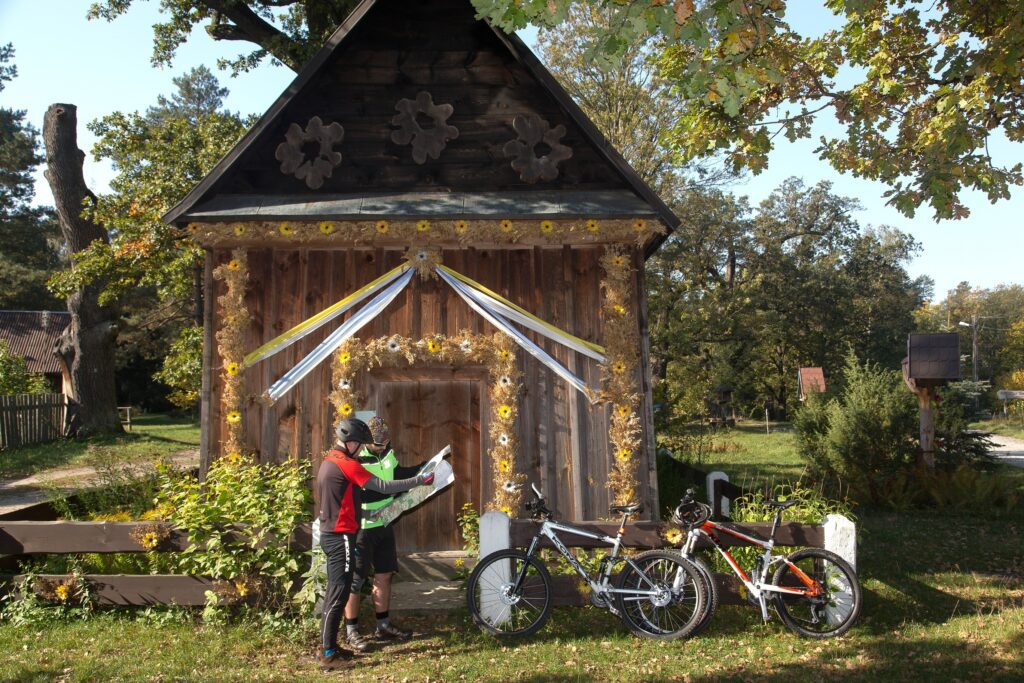
3. Florianka → Górecko Kościelne (7,5 km) The trail takes you through beautiful beech and pine forests, with occasional wooden bridges over streams. Stop at Górecko Kościelne, a picturesque village with a baroque wooden church (St. Stanislaus Church) and an avenue of ancient oaks, some over 500 years old.
4. Górecko Kościelne → Sochy (14 km) A historically significant route, leading through serene landscapes and open meadows. Stop in Sochy, a village with a tragic history from WWII, where you’ll find a war memorial commemorating the 1943 massacre.
5. Sochy → Zwierzyniec (4 km)
A gentle ride back towards Zwierzyniec through more of Roztocze’s peaceful woodlands. Once back in Zwierzyniec, relax at one of the local restaurants.
Regional dinner in a pension.
Overnight in a local pension in Zwierzyniec town.
| Day 3 | > Zwierzyniec grand loop (85 km cycling) |
Breakfast at your pension.
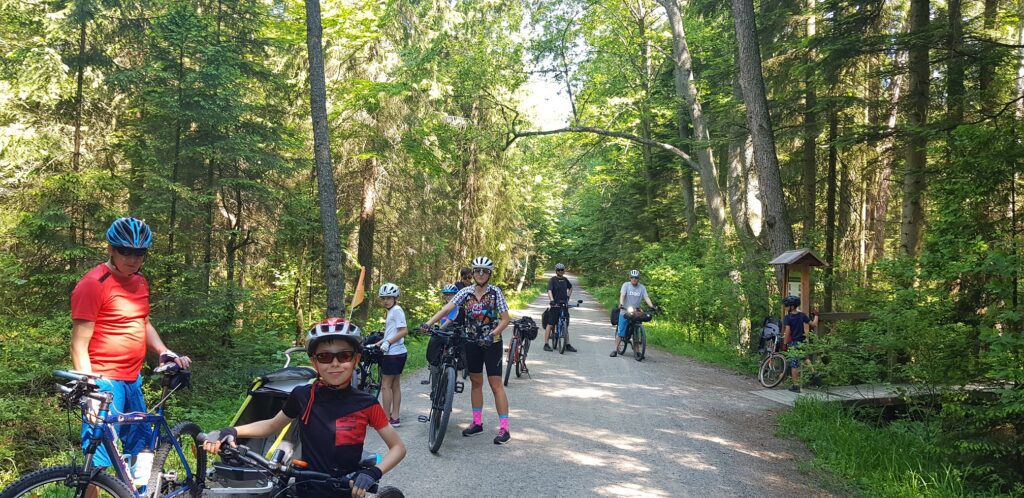
This scenic cycling route takes you through the picturesque Roztocze region, known for its rolling hills, lush forests, rivers, and historical sites. The trail offers a mix of nature, culture, and adventure, making it a great choice for cycling enthusiasts looking for a moderately challenging ride.
Route: Zwierzyniec – Florianka – Józefów – Oseredek – Susiec – Rebizanty – Majdan Sopocki – Zwierzyniec
Distance: Approximately 85 km, ideal for a full-day trip.
Terrain: Forest trails, gravel paths, asphalt roads
Highlights of the Route:
1. Zwierzyniec → Florianka (approx. 20 km)
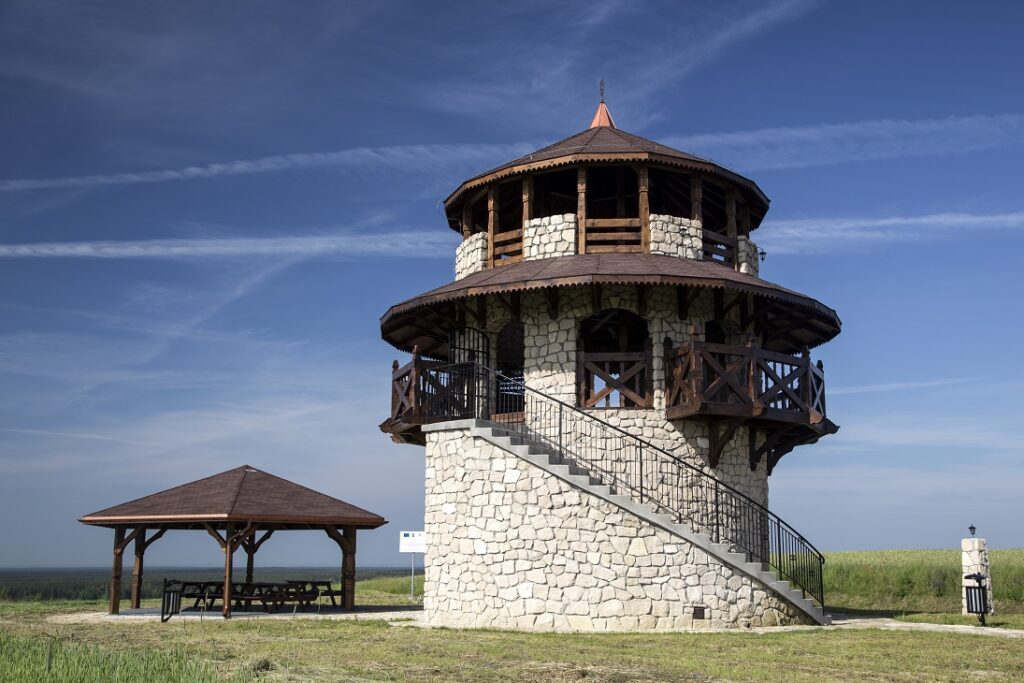
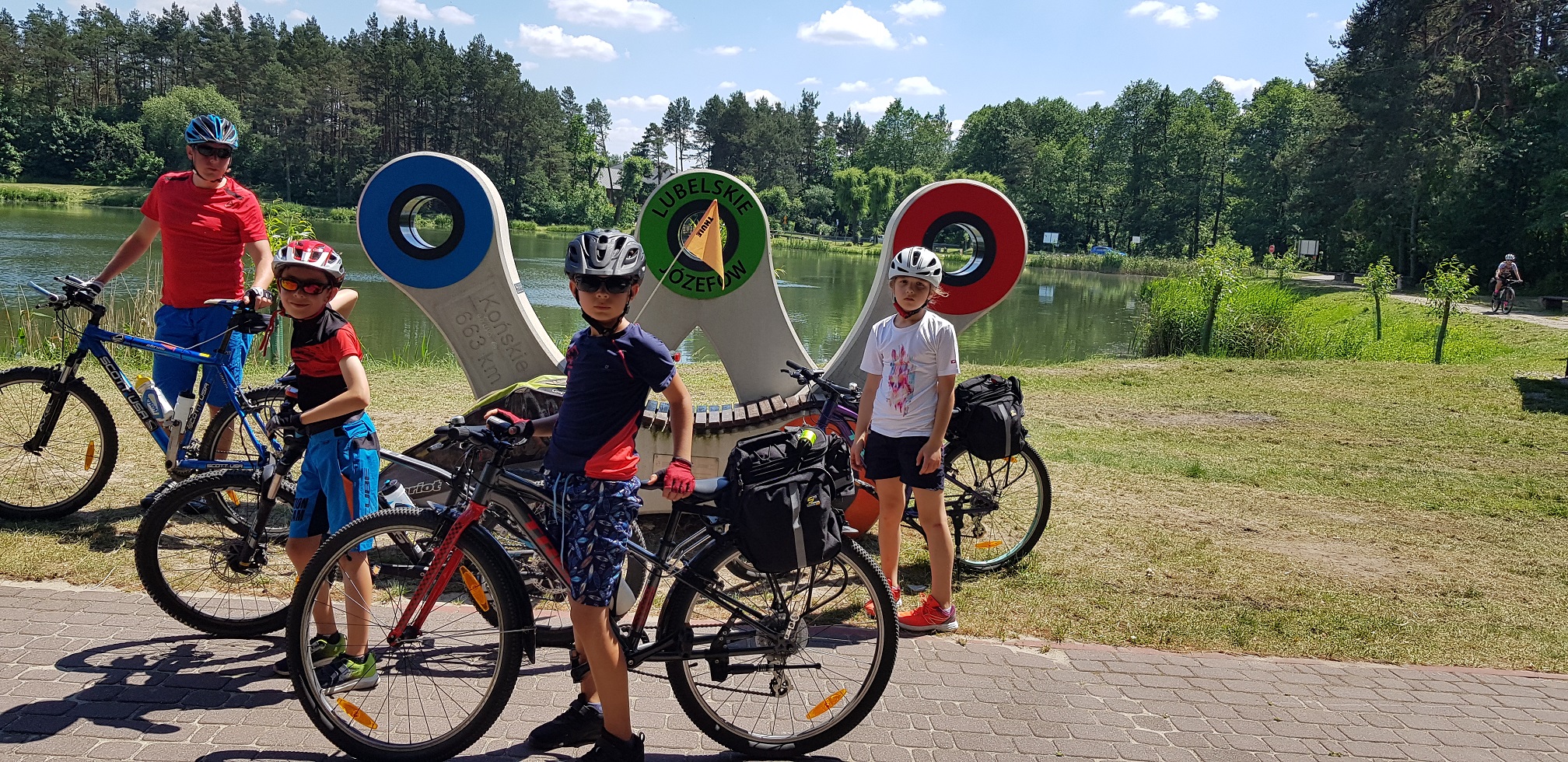
Start in Zwierzyniec and ride through the park’s lush forests towards Florianka. Follow gravel and forest paths to Józefów, a town famous for its old stone quarries and observation tower offering panoramic views of the region. The town also has a Renaissance-style synagogue and a scenic reservoir.
2. Józefów → Oseredek (approx. 15 km)
The ride continues through Roztocze’s rolling hills and forests towards Oseredek, a peaceful village surrounded by nature, offering a chance to rest and enjoy the quiet countryside.
3. Oseredek → Susiec → Rebizanty (approx. 20 km)
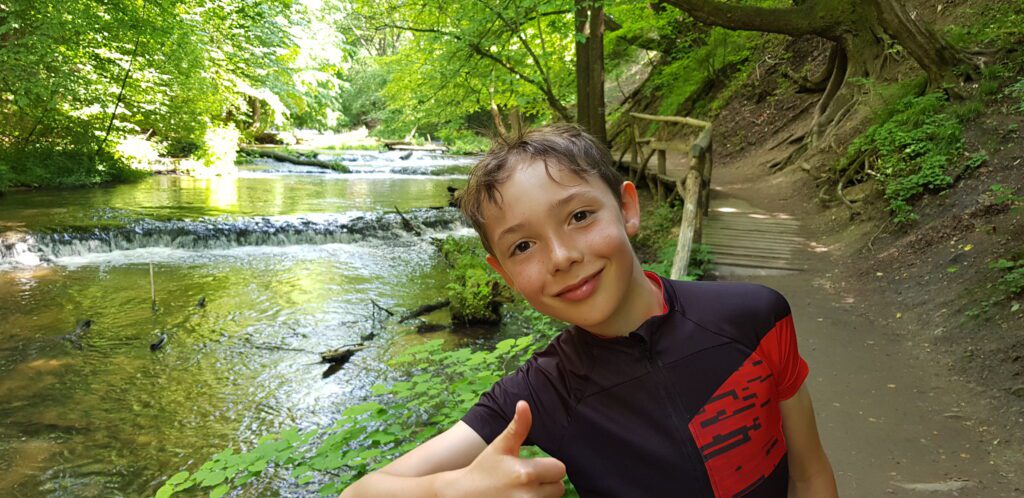
Cycle towards Susiec, a picturesque village in the Roztocze region and Rebizanty, a well-known starting point for trails leading to the Szumy Waterfalls on the Tanew River. These small cascades are a highlight of Roztocze and a great place for a short break.
4. Rebizanty → Majdan Sopocki (approx. 10 km)
From Rebizanty, head to Majdan Sopocki, which features a picturesque lake, perfect for a refreshing swim or relaxation. The nearby Sopot River valley is another scenic highlight.
5. Majdan Sopocki → Zwierzyniec (approx. 20 km)
The final stretch takes you back to Zwierzyniec, passing through forests and meadows. Stop by observation tower in Biała Góra near Zwierzyniec offering panoramic views of the Roztocze landscape, including forests, rivers, and picturesque hills.
Regional dinner in a pension.
Overnight in a local pension in Zwierzyniec town.
| Day 4 | > Bike and Paddle Journey (50 km cycling) |
Breakfast at your pension.
The bike route from Zwierzyniec to Lipowiec offers a scenic loop through picturesque areas of southeastern Poland, providing a mix of nature, culture, and local attractions.
Route: Zwierzyniec – Guciów – Krasnobród – Bondyrz – Lipowiec – Zwierzyniec
Distance: Approximately 50 km, making it perfect for a day trip.
Terrain: A mix of paved roads, forest trails, and gravel paths; mostly flat with a few gentle inclines.
Highlights of the Route:
1. Zwierzyniec → Guciów
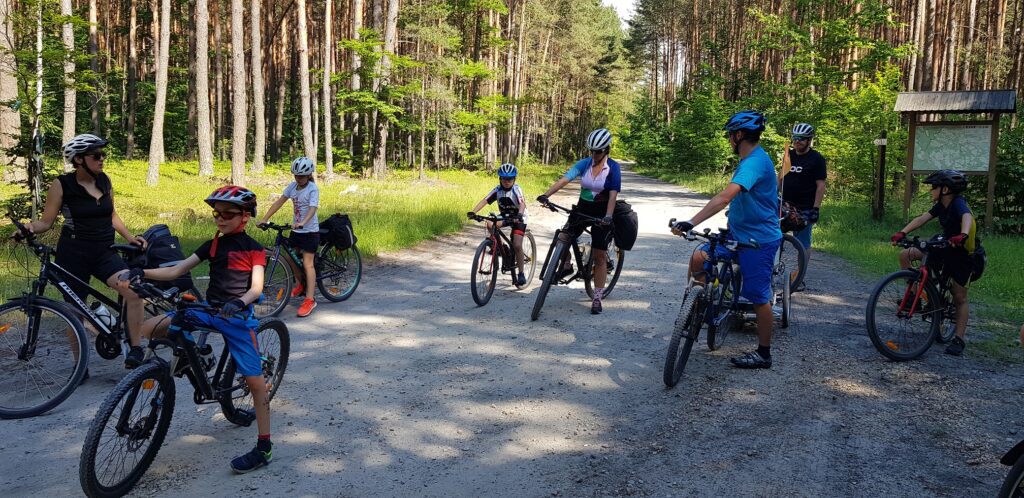
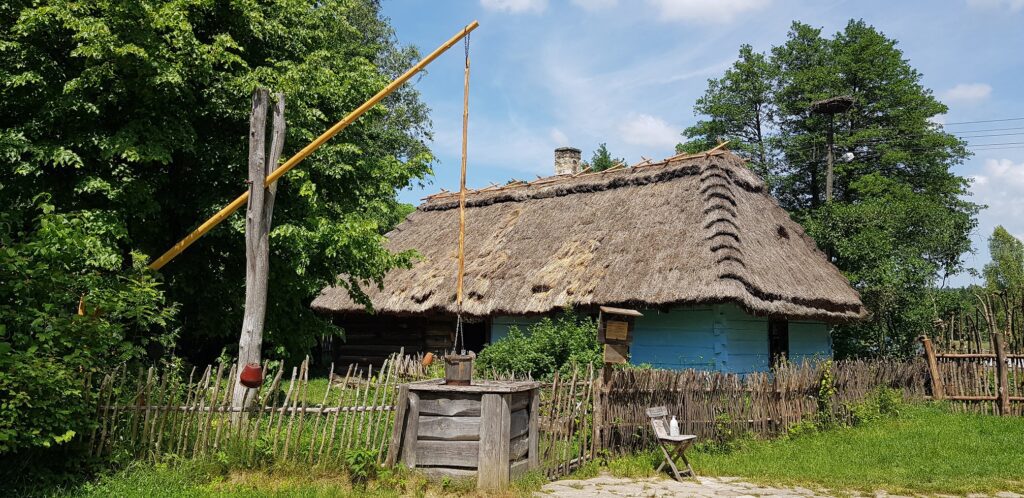
Start in Zwierzyniec, a charming town located in the Roztocze National Park, known for its beautiful nature and historical sites. Head towards Guciów, a small village with serene landscapes and fields. Explore the open-air museum, taste traditional snacks and drinks at the Guciów farmstead. The path is mostly rural, offering a peaceful ride with some gentle inclines.
2. Guciów → Krasnobród
From Guciów, head towards Krasnobród, a town known for its health resorts and beautiful surroundings. The route includes rural roads surrounded by forests and open fields, providing a calm and pleasant cycling experience. Krasnobród is famous for its Baroque-style Church of St. Roch, located in a picturesque setting, making it a great spot for a short break.
3. Krasnobród → Bondyrz → Guciów
Continuing from Krasnobród, head towards Bondyrz, a quiet village with lush green areas. The road between Krasnobród and Bondyrz is slightly more challenging, with mild uphill sections, but the peaceful surroundings and rural charm make it enjoyable.
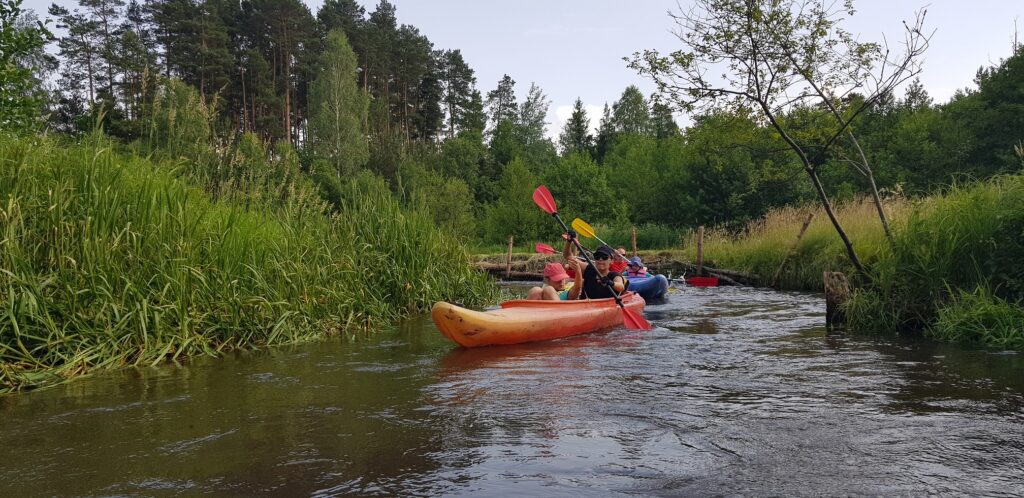
Start your kayak trip from Bondyrz to Guciów and enjoy the peaceful waters of the Roztocze region, surrounded by lush nature and wildlife. It’s a perfect way to enjoy the tranquility and beauty of the area while gliding along the river.
4. Guciów → Lipowiec
From Guciów, the route loops back towards Zwierzyniec. You’ll pass through more picturesque fields and forests, gradually descending towards Lipowiec. This section offers a nice way to wind down the ride, allowing you to relax and enjoy the natural beauty of Roztocze.
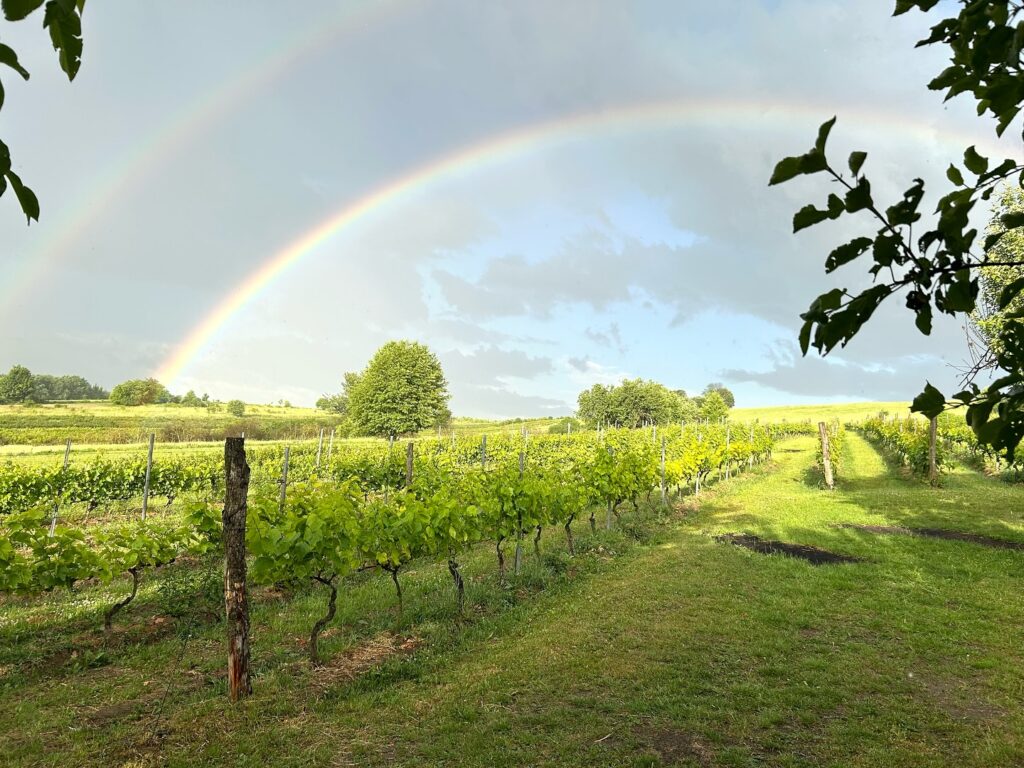
End your day with a wine tasting in Lipowiec Winery in quiet village surrounded by forests and meadows
5. Lipowiec → Zwierzyniec
Finally, from Lipowiec, cycle towards Zwierzyniec. The route back to Lipowiec is relaxing, with mostly flat terrain, ideal for taking in the fresh air and scenery before finishing the loop.
Regional dinner in a pension.
Overnight in a local pension in Zwierzyniec town.
| Day 5 | > Zwierzyniec – Szczebrzeszyn – Nielisz – Zamość – Zwierzyniec (73 km cycling) |
Breakfast at your pension.
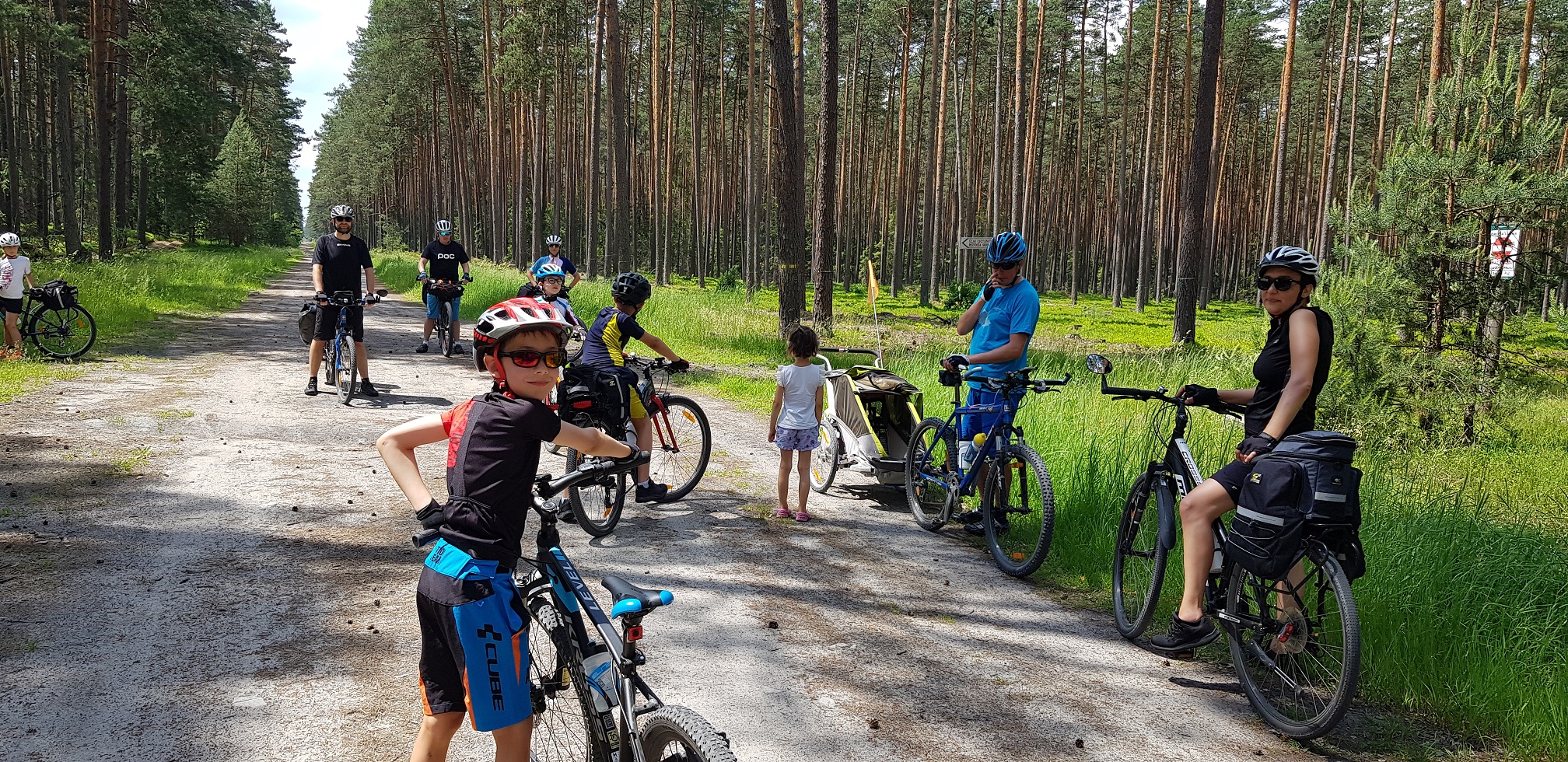
The bike route connecting Zwierzyniec, Szczebrzeszyn, Nielisz, Zamość, and back to Zwierzyniec is a scenic journey through picturesque areas in southeastern Poland, rich in natural beauty and historical landmarks. The charming towns and scenic countryside make this ride a great way to experience the beauty of southeastern Poland
Route: Zwierzyniec – Szczebrzeszyn – Nielisz – Zamość – Zwierzyniec
Distance: Approximately 73 km
Terrain: A mix of paved roads, gravel paths, and forest trails; some gentle hills but manageable for most cyclists.
Highlights of the Route:
1. Zwierzyniec → Szczebrzeszyn:
Pedal through green landscapes, featuring lush forests and rolling hills toward the town of Szczebrzeszyn, a charming town in southeastern Poland, famous for its tongue-twisting name and the iconic beetle statue from the Polish poem as well as Old Synagogue & Jewish Cemetery.
2. Szczebrzeszyn → Nielisz:
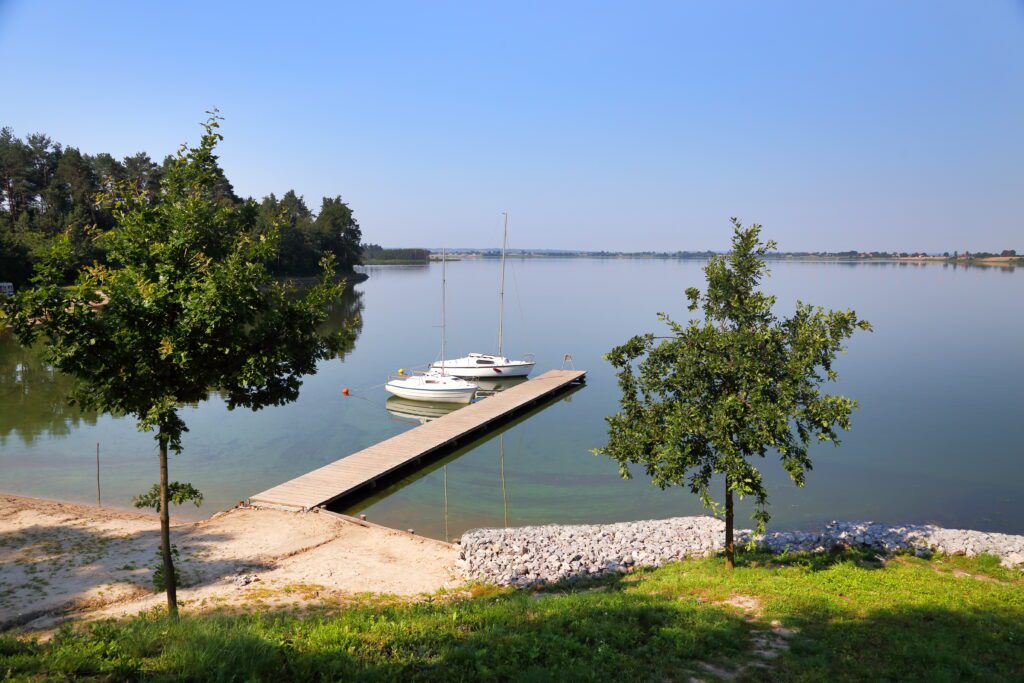
Heading towards Nielisz, the route passes through farmland and smaller villages. The area is known for its serenity, offering a relaxing cycling experience. The landscape changes gradually as you approach the artificial Nielisz Lake, a popular spot for fishing and relaxation. The ride is smooth, and you’ll pass through gentle curves and forested sections.
3. Nielisz → Zamość:
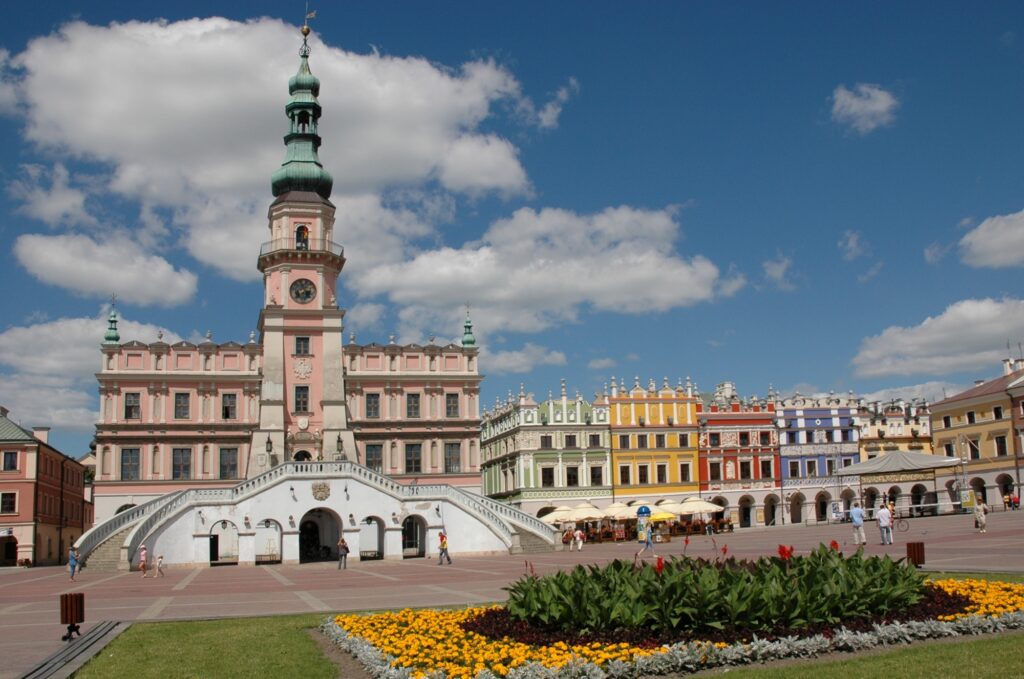
From Nielisz, you cycle towards Zamość, a UNESCO World Heritage city. The route is a combination of rural paths and paved roads, and you’ll notice the transition into the area surrounding the historic city. Zamość is known as the “Pearl of the Renaissance,” boasting beautiful architecture, such as the Zamość Town Hall, the Cathedral of Zamość, and the city’s unique layout designed by Italian architect Bernardo Morando. This part of the ride gives a taste of both nature and history, as you cycle into one of Poland’s most beautiful cities.
4. Zamość → Zwierzyniec:
The return journey through Kosobudy takes you back through the countryside and into the peaceful Roztocze region. You’ll pass through forests and small towns, enjoying the quiet roads and rural atmosphere. The route back to Zwierzyniec is a great way to unwind and reflect on the trip, with views of the Roztocze National Park offering a stunning backdrop to the cycling adventure.
Regional dinner in a pension.
Overnight in a local pension in Zwierzyniec town.
| Day 6 | > Zwierzyniec – Biłgoraj – Janów Lubelski ( 68 km cycling) |

Breakfast at your pension.
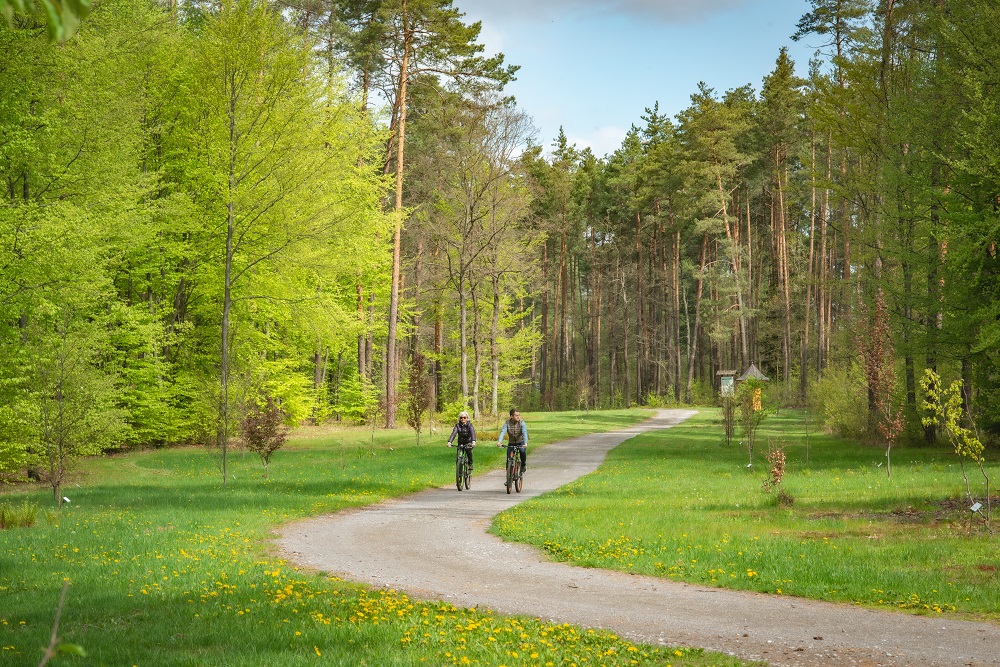
This scenic cycling route takes you through some of the most beautiful natural areas of southeastern Poland, including the Roztocze National Park, the Biłgoraj region, and the Lasy Janowskie forests. The trail is ideal for nature lovers, adventure seekers, and those looking to explore Poland’s rich landscapes and wildlife.
Route: Zwierzyniec – Biłgoraj – Janów Lubelski
Distance: Approximately 68 km
Terrain: Asphalt, gravel, forest paths
Highlights of the Route:
1. Zwierzyniec → Biłgoraj
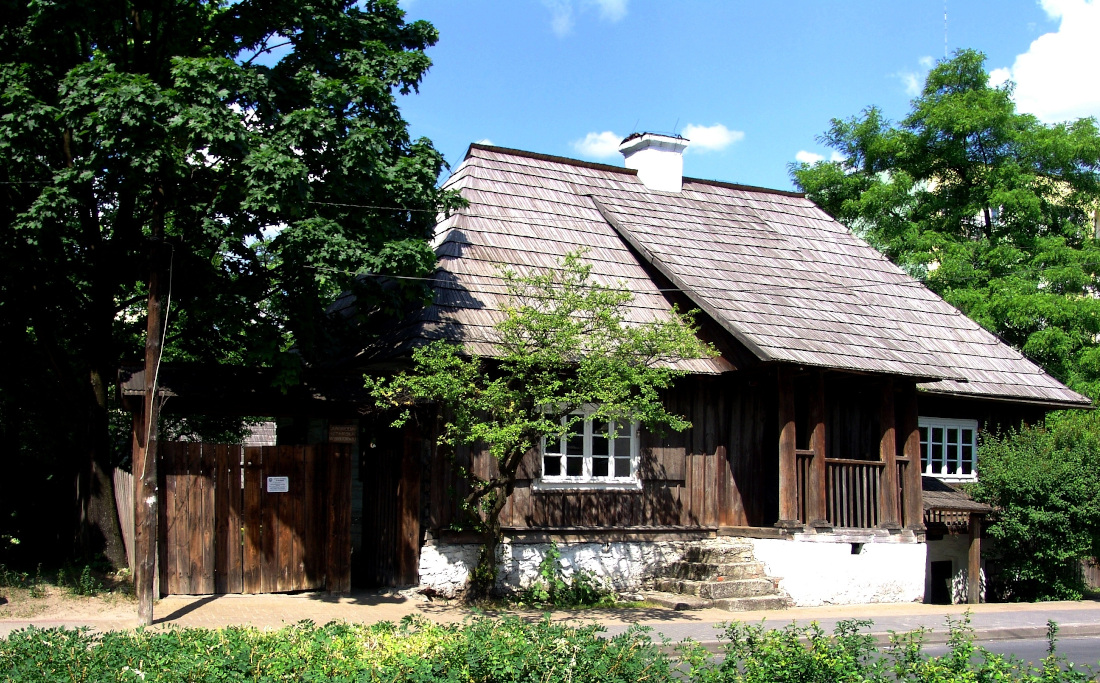
Follow the Green Velo cycling route, which offers well-marked trails. Ride through lush forests and open meadows, with occasional villages offering rest stops. Biłgoraj is a historical town known for its wooden architecture and folk traditions.
2. Biłgoraj → Janow Lubelski
From Biłgoraj, head towards Janów Lubelski, following quiet countryside roads. The path includes sections through Lasy Janowskie (Janów Forests), a vast and peaceful woodland area. Arrive in Janów Lubelski, a great place to relax by the Zalew Janowski reservoir or visit the Nature and Forest Museum.
Regional dinner in a pension.
Overnight in a local pension in Janów Lubelski area.
| Day 7 | > Exploring Janów forests (52 km cycling) |
Breakfast at your pension.
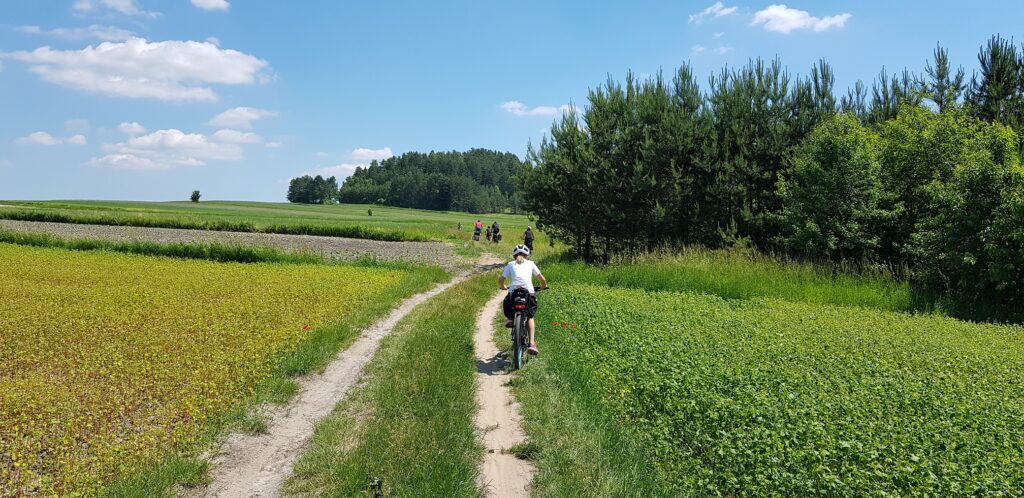
A full-day cycling tour through the Janów Forests offers an immersive experience in one of Poland’s most beautiful natural areas. Ride along scenic trails, explore dense woodlands, and discover the rich wildlife and unique landscapes of this pristine region.
Route: Janów Forests
Distance: 60 km
Terrain: some forest paths and gravel roads
Highlights of the Route:
1. Łążek Garncarski → Szklarnia
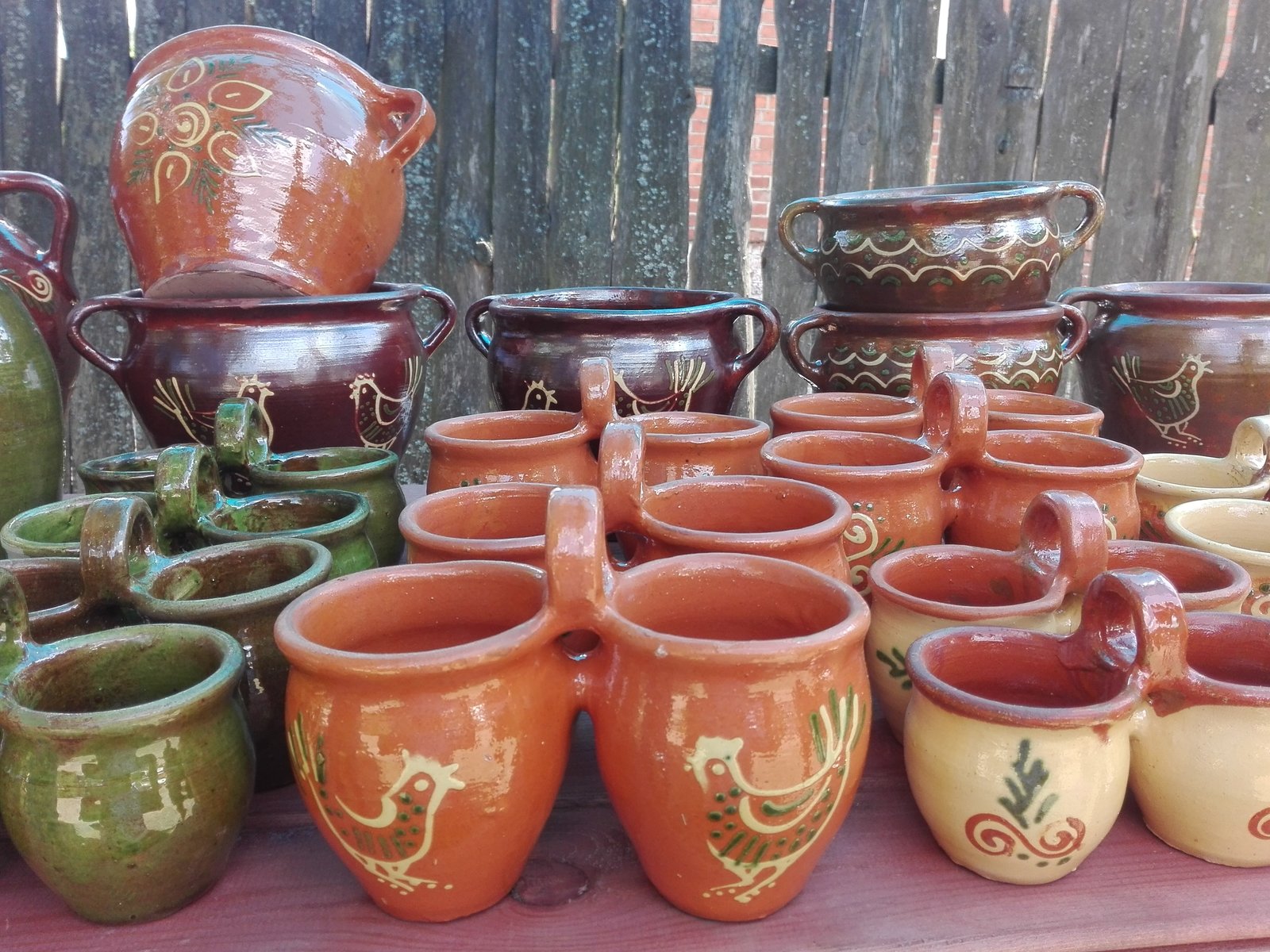
The journey begins in Łążek Garncarski, a small village known for its pottery traditions. Cycling towards Szklarnia, you’ll ride through picturesque forest landscapes, enjoying peaceful, unpaved roads.
2. Szklarnia → Porytowe Wzgórze
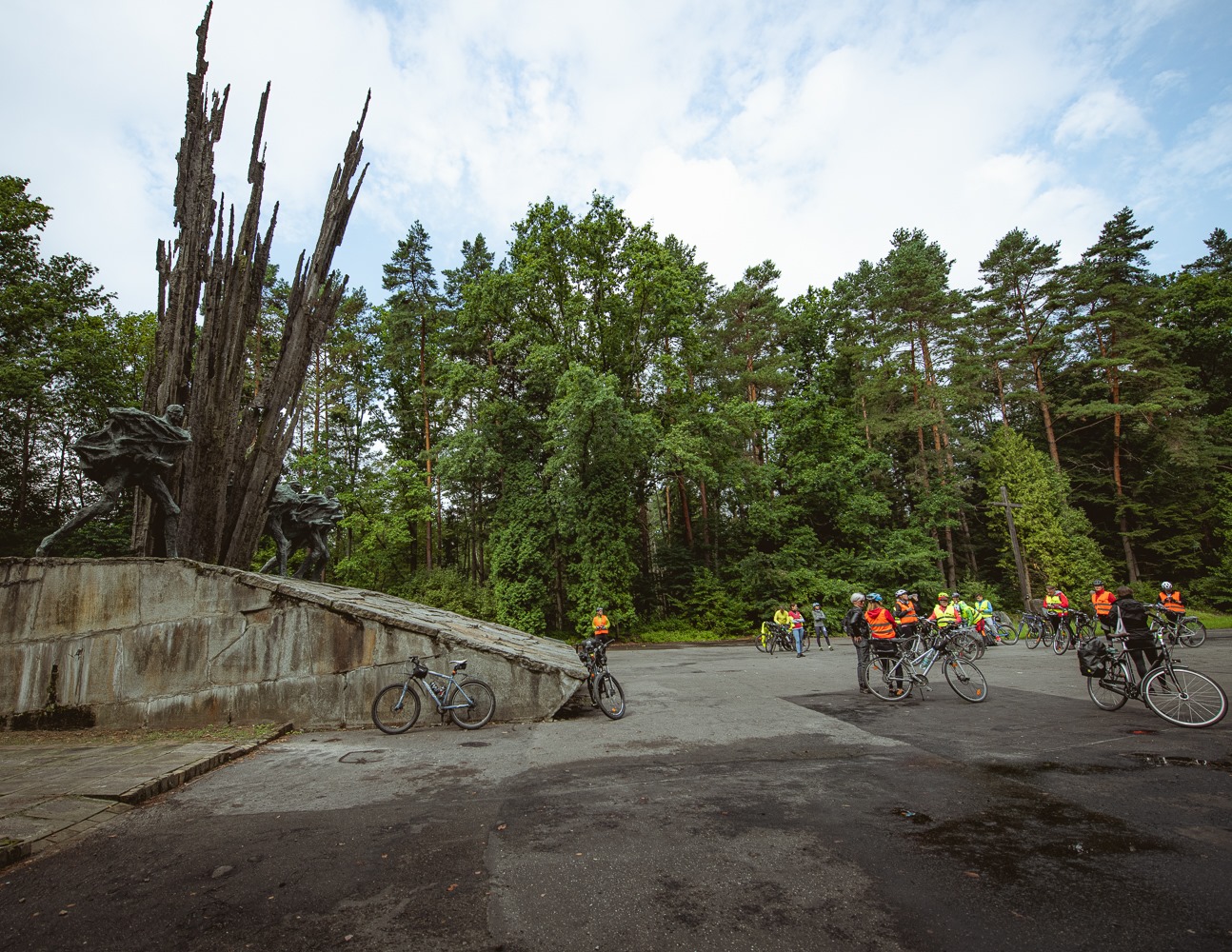
From Szklarnia, continue to Porytowe Wzgórze, a historically significant site where a major World War II battle took place between Polish partisans and German forces. A monument here commemorates this event, making it a great spot for a short break and reflection.
3. Porytowe Wzgórze → Arboretum Leśne
Next, head towards the Arboretum Leśne, a forest botanical garden featuring a variety of tree species native to Poland. The ride here is mostly on well-maintained gravel roads, surrounded by lush greenery.
4. Arboretum Leśne → Park Rekreacji Zoom Natury
The route continues to Zoom Natury, a modern recreation park in Janów Lubelski. This park offers interactive exhibits on nature, as well as outdoor activities such as zip-lining, rope courses, and a lake with kayaking opportunities.
5. Zoom Natury → Rezerwat Imielty Ług
Leaving Janów Lubelski, you’ll cycle towards Rezerwat przyrody Imielty Ług, a nature reserve with wetlands, peat bogs, and rare bird species. The terrain here is more challenging, with some sandy paths, but the stunning views make it worthwhile.
6. Rezerwat Imielty Ług → Łążek Garncarski
Finally, the route loops back to Łążek Garncarski, passing through more peaceful forest trails. The final stretch is a great chance to enjoy the quiet nature before finishing your ride.
Farewell dinner in a pension.
Overnight in a local pension in Janów Lubelski area.
| Day 8 | > Lublin |

Breakfast at your pension.
Transfer to Lublin and further to the airport.
END of SERVICES.
Contact us
If you want us to prepare a special trip for you, please write us specifying all your requirements. We will be happy to answer.
E-Bike Adventure in Lubelskie Region – an immersive multi-day journey through forests, heritage towns, and untouched landscapes
If you are looking for a cycling experience that combines natural diversity, cultural depth, and a sense of true discovery, this e-bike journey through the Lubelskie region offers one of the most complete ways to explore southeastern Poland. Instead of following the typical tourist routes, the program leads you through a region where landscapes, history, and local life remain authentic and largely unchanged.
This is not a standard cycling holiday built around distance or performance. It is a structured, experience-driven journey where each day reveals a different layer of the region, allowing you to gradually understand its rhythm, its contrasts, and its identity.
Why Lubelskie offers a different kind of travel experience
The Lubelskie region stands apart from more popular destinations in Poland because it has preserved its natural and cultural character without adapting itself to mass tourism. From the very beginning of the journey, you notice the difference in scale, atmosphere, and pace.
The landscapes are shaped by forests, gentle hills, river valleys, and open пространства that create a sense of continuity rather than fragmentation. Areas such as Roztocze National Park introduce a unique combination of biodiversity and quiet, while regions like the Janów forests expand this experience into even more remote and less explored territory
What makes this region particularly compelling is not a single highlight, but the way everything connects into one consistent environment.
A journey structured around progression, not repetition
The itinerary is designed as a multi-day journey that evolves with each stage. Instead of repeating similar routes, every day introduces a new landscape, a new type of terrain, and a slightly different experience.
You begin with an introduction to Lublin, a city with a complex history and strong cultural identity, before transitioning into the Roztocze region, where nature becomes the dominant element. From there, the journey expands into a broader area, including historical towns, river valleys, and forest complexes, creating a natural progression from urban context to deep immersion in nature.
Cycling distances typically range from moderate to more demanding stages, often between shorter scenic loops and longer full-day routes, which allows the experience to feel dynamic without becoming overwhelming
E-bike support as a key element of the experience
The use of e-bikes transforms the way this journey is experienced. Instead of limiting the route to easier terrain, the program includes a variety of landscapes, from forest paths to longer regional connections, without requiring a high level of physical endurance.
This makes it possible to focus on the surroundings rather than effort. You can cover longer distances, explore more diverse terrain, and maintain a consistent pace throughout the journey. It also allows participants with different levels of fitness to share the same experience without compromising its quality.
In this context, the e-bike is not just a convenience. It is what makes the entire structure of the itinerary possible.
Roztocze as the core of the cycling experience
A significant part of the journey takes place in the Roztocze region, which defines the character of the entire program. This area is known for its combination of forests, small rivers, historical villages, and subtle elevation changes that make cycling both engaging and visually rewarding.
Routes pass through locations such as Zwierzyniec and surrounding areas, where you experience a mix of natural environments and cultural landmarks. Places like Górecko Kościelne, with its historic wooden architecture and ancient oak trees, or Józefów, known for its viewpoints and stone quarries, create moments that naturally combine movement with discovery
The presence of water is also an important element, with rivers and small lakes appearing throughout the region, adding variation and depth to the landscape.
Combining cycling with additional experiences
One of the aspects that differentiates this itinerary is the integration of other activities into the cycling structure. For example, selected stages combine biking with kayaking, allowing you to experience the same environment from a completely different perspective.
The transition from cycling through forest paths to moving along a quiet river creates a natural contrast that enhances the overall experience. It also reinforces the idea that this journey is not about one activity, but about experiencing the region in multiple ways.
In addition, local elements such as wine tasting or regional cuisine are introduced at specific moments, creating a connection between physical activity and cultural immersion
From small towns to UNESCO heritage sites
As the journey develops, the route expands beyond purely natural environments and introduces more defined cultural points. One of the most significant examples is Zamość, a UNESCO World Heritage site known for its Renaissance urban layout and architectural coherence.
Arriving in such a place after cycling through forests and rural areas creates a strong contrast that enhances the perception of both. The city is not just another stop. It becomes a meaningful point within the journey, showing how different layers of Polish heritage coexist within a relatively compact region
This balance between nature and culture is one of the key strengths of the program.
Deep immersion in forest landscapes and remote regions
The later stages of the journey move into even more natural and less populated areas, such as the Janów Lubelski forests. These environments offer a different type of experience, focused on silence, space, and uninterrupted contact with nature.
Cycling through these areas changes the perception of time and distance. Without urban references or heavy infrastructure, the journey becomes more introspective and immersive. Historical sites, such as locations connected to World War II events, add another layer of meaning without dominating the experience
This part of the itinerary often becomes the most memorable, precisely because of its simplicity and authenticity.
A rhythm that balances activity and recovery
Despite the dynamic nature of the program, the itinerary is designed to maintain a sustainable rhythm. Each day combines physical activity with moments of rest, exploration, and local experiences.
Accommodation in smaller, regional pensions enhances the overall atmosphere, creating a sense of continuity and connection with the surroundings. Evenings provide time to recover, reflect, and prepare for the next stage, ensuring that the journey remains enjoyable throughout its duration.
This balance is essential in maintaining both physical comfort and mental engagement.
Who is this journey best suited for?
This experience is ideal for travelers who want more than a traditional sightseeing program and are looking for a deeper, more engaging way to explore a destination. It is particularly well suited for those who enjoy being active, value authenticity, and are open to discovering regions that are not part of mainstream tourism.
At the same time, thanks to the use of e-bikes and the structured nature of the itinerary, the program remains accessible to a wide range of participants, including those without advanced cycling experience.
How seasonality influences the experience
The Lubelskie region changes significantly with the seasons, which directly affects the character of the journey. Spring introduces fresh greenery and a sense of renewal, while summer provides long days and stable conditions for extended cycling routes.
Early autumn enhances the visual experience with warmer tones and quieter surroundings, making the landscapes even more atmospheric. Regardless of the season, the region maintains its authenticity and sense of space, which remain its defining characteristics.
Why this type of journey creates a stronger connection with the destination
What makes this itinerary stand out is not just where it goes, but how it allows you to experience those places. By combining movement, nature, and cultural context, it creates a layered experience that is both physical and emotional.
Instead of simply visiting locations, you move through them, observe how they change, and gradually build a connection with the region. This creates a deeper understanding and a more lasting impression than traditional travel formats.
How to decide if this e-bike tour is right for you
If you are looking for a journey that combines activity with comfort, exploration with structure, and nature with culture, this program offers a well-balanced solution. It is particularly suited for those who want to avoid crowded destinations and experience a more authentic side of Poland.
For travelers who value meaningful experiences over standard itineraries, this is one of the most rewarding ways to discover the Lubelskie region.
FAQ
Is this tour suitable for beginners?
Yes, thanks to the use of e-bikes, the program is accessible even for those without advanced cycling experience.
What are the daily cycling distances?
Distances vary depending on the stage, typically ranging from shorter scenic routes to longer full-day rides.
Does the itinerary include only cycling?
No, the program also includes additional experiences such as kayaking and cultural activities.
Are there cultural highlights included?
Yes, including historical towns like Zamość and local heritage sites along the route.
Is the region crowded with tourists?
No, Lubelskie remains one of the less commercialized regions, offering a more authentic and quiet experience.