Category: Info

  • How Much Does a Trip to Poland Cost? Budget, Mid-Range & Premium Options

    More and more people are planning a trip to Poland in a way that fits a reasonable budget and still allows them to see as much as possible. In 2025, seasonality, dynamic pricing and strong differences between cities are clearly visible. This is good news for flexible travellers — conscious choices truly allow you to influence costs.

    We describe three levels of travel, a breakdown of expenses and practical optimisation strategies. You’ll also learn what to watch out for to avoid unnecessary charges, and how to benefit from guided tours without overpaying.

    How much does a trip to Poland really cost in three variants?

    The cost of your trip depends mainly on the standard of accommodation, your way of getting around and your dining style.

    The budget option means simple accommodation, public transport and local bars. The mid-range option includes mid-class hotels, comfortable trains and bistro-style dining. The premium variant covers higher-class or boutique hotels, private transfers and tasting dinners.
    Differences in price are also created by season, location and the popularity of attractions. Smaller towns are often cheaper than major tourist centres, and off-peak dates allow for better conditions.

    How to divide your budget into transport, accommodation and food?

    A sample budget breakdown can be taken proportionally: accommodation 40–50%, transport 25–35%, food & attractions 20–30% — adjust the ratios to the length of your stay and the season.

    The proportions depend on trip length, season and city selection.
    The budget option shifts expenses towards public transport and cheaper stays.
    The mid-range option balances comfort and cost.
    The premium option emphasises hotel standard and private transfers.
    It’s worth leaving a flexible reserve for attractions, as their prices differ by region.

    Transport: flights, long-distance trains, local transport or transfers.
    Accommodation: hostels and guesthouses, mid-range hotels, premium or boutique properties.
    Food: from bakeries and milk bars to full-service restaurants.
    Attractions: museums, UNESCO sites, guided tours and events.

    How much will you spend on transport: flights, trains and local travel?

    Planning transport is worth starting with choosing your priorities — saving money, comfort or speed.

    Flights are cheaper off-peak and when booked early. Connections with a layover can be more affordable than direct flights.
    Trains in Poland offer various categories, from fast services to cheaper inter-regional connections. It’s worth checking tickets in advance, as well as weekend or tourist offers.
    City transport is usually economical thanks to daily and time-based tickets.
    Taxis and ride-hailing apps cost more at night and during high traffic.
    Car rental increases comfort, but adds parking fees, selected toll road charges and fuel.

    How much do accommodation options cost in budget, mid-range and luxury variants?

    Accommodation standard and location have the strongest impact on price per night.

    In the budget range you’ll find hostels, simple guesthouses and private rooms, usually outside the strict city centre or in districts with good transport links.
    Mid-range includes three- and four-star hotels, central apartments and reliable guesthouses in good locations.
    Luxury covers five-star hotels, boutique properties and exceptional apartments with additional services.
    In summer, coastal towns and mountain resorts tend to be more expensive, while weekdays are usually cheaper than weekends in major cities.

    How much should you plan for food and entertainment per day?

    In practice, it’s helpful to think in terms of spending style: economical, moderate or comfort-focused.

    The economical option includes bakeries, milk bars and lunch specials.
    Moderate means specialty cafés, bistros and dinners in sit-down restaurants.
    Premium includes author cuisine, tasting menus and cultural events in top venues.
    Drinks and desserts can easily increase the bill, especially in central tourist areas.
    Tipping is optional but often appreciated in restaurants.
    Lunch menus and online reservations can help manage costs efficiently.

    How expensive are attractions and guided tours?

    Prices of attractions and tours vary depending on the place’s popularity, season and form of sightseeing.

    Museums and historical sites usually offer different ticket tiers, and some have free-entry days.
    Guided tours are available in several formats. Small groups often have a better price-to-value ratio than private options, and the programme is impressively rich thanks to local knowledge.

    Poland Tour Team offers small groups in the Guaranteed Departures category, short 1 day & half day trips, and city City Breaks.

     There are also Classic Tours, Thematic Tours and Active Tours, covering both well-known places and less obvious routes.
    Pricing depends on duration, included services and group size.

    What hidden costs and fees should you keep in mind?

    Here are the most important hidden fees — listed clearly so you can quickly spot risks for your travel plan:

    • local city or tourist taxes at hotels
    • airline charges for baggage, seat selection and booking changes
    • car rental deposits, additional drivers, fuel policies, cross-border fees, child seats
    • selected toll road sections and city parking zones
    • seat reservations in fast train categories
    • higher prices for flexible fare tickets
    • card payments in foreign currency with high conversion fees (especially DCC)
    • paid cloakrooms or photography fees in some museums
    • paid public restrooms at stations and in city centres

    How to optimise expenses without giving up experiences?

    The largest savings come from flexibility in dates, smart attraction combinations and planning ahead.

    Travel off-peak, consider weekdays and choose locations with good public transport.
    Combine paid highlights with free walks through historic districts and parks.
    Use daily tickets in big cities and book museums early when lower-price ticket pools are available.
    For food, choose lunch specials and local spots off the main promenades.
    Small guided groups offer content-rich sightseeing and simplify logistics, while the cost per person is usually lower than for private formats.

    Poland Tour Team helps match the format to your budget and travel style.
    Options include Guaranteed Departures, short 1 day & half day trips, city City Breaks, and tailor-made Customized Trip Packages.
    The team combines well-known locations with less obvious ones, using local knowledge — allowing you to focus your budget on what truly matters.

    Planning a trip to Poland in 2025 gives you an advantage when you consciously choose your standards, dates and sightseeing style.
    A well-thought-out plan maintains balance between costs and the quality of experiences, and support from local experts helps fine-tune details and avoid unnecessary expenses.

    Ask for a route proposal tailored to your budget and travel style!

  • Gdańsk for Weekend Travelers – Baltic Coast Highlights

    A weekend on the Baltic is becoming more tempting every year. Short travel time, a big change of scenery and easy connections make Gdańsk a natural choice for a quick reset. In one weekend, you can dive into history, walk along the beach and try fresh fish. The key is a smart plan.

    In this guide, you will find a 48-hour plan, a list of places to visit, transport and food tips, plus a short packing checklist. This will help you combine sightseeing with beach time without wasting hours in queues.

    What makes a weekend by the sea special?

    The close proximity of the historic city centre and beaches, short travel between attractions, and the city’s strong maritime identity.
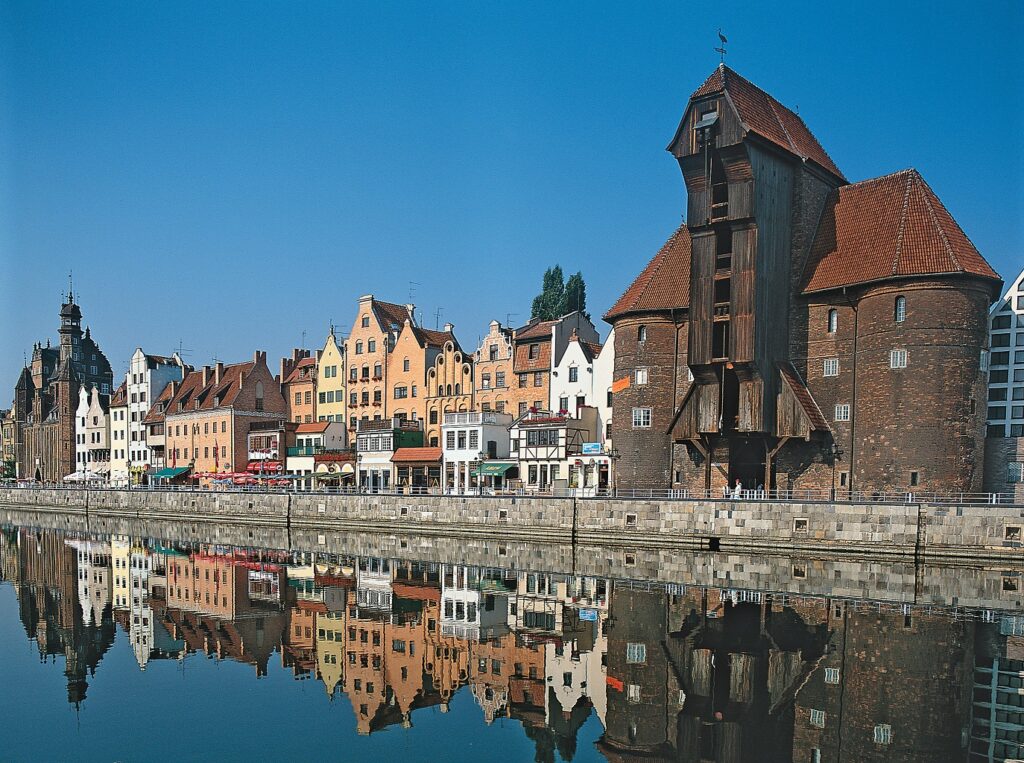
    Gdańsk blends the Hanseatic trail, Motława river panoramas and wide beaches. In 48 hours you can see the Long Market, the Crane and St. Mary’s Basilica, then hop on a suburban train and be at the Sopot pier within minutes.
    The European Solidarity Centre and Westerplatte allow you to touch the history of the 20th century.
    In the evening, enjoy fresh fish and a Baltic sunset. It’s a weekend that naturally combines culture, nature and cuisine.

    How to plan the perfect 48 hours by the sea?

    Plan morning sightseeing, afternoon beach time and one museum block in the middle of the day.
    The biggest time-saver is the rapid suburban SKM train between Gdańsk, Sopot and Gdynia.
    Start early to beat crowds and book museum tickets in advance.

    Suggested layout:
    Day one: Gdańsk Old Town → lunch with local fish → European Solidarity Centre → evening walk in Sopot.
    Day two: morning beach walk in Jelitkowo or Brzeźno → visit to Westerplatte → Oliwa Park & Cathedral → sunset at the pier or the cliff in Orłowo.

    If you prefer a ready-made script, consider a city break, half-day thematic tours or classic must-see routes prepared by local experts. Programme and pace are adjusted to your preferences, and reservations disappear from your to-do list.

    Which landmarks and places are worth visiting in a short time?

    Choose the city’s timeline along the Motława river and two strong historic highlights.
    In a short plan, proximity and variety matter most.

    • Long Market with the Main Town Hall and Neptune’s Fountain
    • St. Mary’s Basilica with tower access and Gdańsk panorama
    • The Crane and granary waterfronts
    • European Solidarity Centre with viewing terrace
    • Museum of the Second World War
    • Westerplatte with an outdoor route
    • Oliwa: Cathedral and Oliwa Park
    • Sopot: pier and Monciak for a light evening stroll
    • Gdynia Orłowo: cliff and seaside path for quiet moments
    • Optional for longer stays: Malbork Castle (UNESCO)

    How to combine beach time with intensive sightseeing?

    Sightsee in the morning and evening, go to the beach in the afternoon, and leave short buffers.
    Mornings offer empty streets and perfect light for photos.
    After 11:00, head to the beach as museums and the centre get crowded.
    Choose beaches with fast access: Brzeźno, Jelitkowo or Stogi.
    Return to sightseeing after 16:00 when crowds thin out.

    Check the forecast and follow the wind: on windy days, move beach time to Sopot or deeper into park areas.
    Add one backup point for rain — for example, a museum exhibition or an organ concert in Oliwa.

    Where to eat local flavours without long waiting times?

    Look for fish bars and bistros off the main tourist routes, use reservations and pick daily specials.
    The Long Market area gets crowded, so walk one or two streets away.
    Choose places with short menus and seasonal items — service is faster.
    For takeaway, try a herring sandwich window or fish soup in a cup.

    Worth trying:
    • fish soup and flounder or baked cod
    • Kashubian-style herring
    • fish pierogi or Kashubian pierogi
    • fresh waffles as a dessert after a seaside walk

    During peak hours, reserve a table in advance.
    Lunch goes faster before 13:00 or after 15:00.

    How to move efficiently around the city on a weekend?

    The fastest line through the Tricity is the SKM train; in central Gdańsk, trams and walking work well.
    Buy a day ticket if you plan to travel several times.
    SKM takes you to Sopot and Gdynia quickly and without traffic.
    In the Old Town, plan your route on foot—distances are short.

    For short distances, bikes and scooters are available, but in the heart of the Main Town walking is usually easier.
    Drivers should be prepared for parking zones; park on the outskirts and switch to public transport.

    What should you pay attention to when packing for a quick seaside trip?

    Use layers, take a windbreaker, comfortable shoes and sun protection.
    Baltic weather changes quickly. Useful items include:

    • light windproof and waterproof jacket
    • sweatshirt or sweater for cooler evenings
    • comfortable shoes for all-day walking
    • sunscreen, cap and sunglasses
    • small backpack for water, snacks and documents
    • quick-dry towel and swimsuit
    • power bank and charger
    • contactless payments and a small pouch for tickets

    Ready for your weekend by the sea?

    With this plan, you’ll see the essence of Gdańsk and catch the Baltic energy in just two days.
    A weekend on the coast works because it combines short distances with plenty of impressions.
    A structured plan lets you move smoothly from brick-lined history to soft sand.
    If you value convenience, consider support from local guides and personalised packages: city breaks, half-day and full-day tours, classic, thematic, active or spiritual routes. Adjusting pace and content makes even a short trip a complete experience.

    Discover Gdańsk in 48 hours with a plan tailored to you and book your Baltic weekend today.

  • Food & Folklore Trails – Cultural Tours in Rural Poland

    More and more people are looking for trips that have flavour and meaning. Instead of another “must-see” list, we prefer shared meals, hosts’ stories and village celebrations. Rural Poland is seasonal cuisine, crafts and rituals that are still alive.

    Below you’ll learn what food-and-folklore trails are, what a day on the route looks like, how to choose authentic places and how to travel with respect and support for rural communities.

    What are food & folklore trails and why are they worth it?

    Food & folklore trails are journeys through rural Poland that combine tastings, workshops and local rituals. They are worth joining because you meet people, history and the flavour of the region in its natural rhythm.

    Trails lead through farms, shepherd huts, markets and small village festivals. They also include visits to craftsmen and participation in folk dance or music demonstrations. They often run near heritage and nature sites, including national parks and protected areas.
    Example regions include Podhale and the Beskids, Kashubia, Podlasie and areas around Warmia.
    Such trips support the local economy and provide access to guides who know traditions from the inside. PT Team sp. z o.o. develops these routes as thematic small-group tours or tailor-made programmes.

    What does a typical day on a culinary and folklore route look like?

    A typical day on a culinary and folklore route is full of encounters, flavours and stories. It starts calmly and ends at a shared table.

    In the morning there is often a visit to a market or farm, where you learn about ingredients and the season.
    Around noon, workshops take place — for example, cheesemaking or bread baking.
    In the afternoon, there is time for crafts, a guided walk or a short trip into the countryside.
    In the evening, a regional dinner and often live music.

    The programme is balanced: time for learning, rest and conversation with hosts. In small groups, interaction is easier and the experience is more authentic.

    How to choose routes to discover authentic cuisine and customs?

    To discover authentic cuisine and customs, look for small groups, local guides and seasonal programmes — this increases the chances of real encounters.

    Pay attention to whether the plan includes visits to producers, not only restaurants.
    Check whether workshops are run by practitioners — for example, a shepherd or a village baker.
    Authenticity grows when the programme includes events aligned with the village calendar, such as harvest festivals or the spring sheep-drive (redyk).
    Transparency and clear descriptions are a good sign.
    At PT Team sp. z o.o., such trips appear as Thematic Tours or tailor-made routes built around local knowledge and the rhythm of the region.

    How does local food tell the story of a region?

    Ingredients and recipes of local food stem from nature, history and cultural crossroads — that’s why food is a living chronicle of a place.

    Oscypek in the Tatras reflects pastoral traditions and seasonal grazing.
    Fermented foods tell the story of frugality and long winters that required preservation.
    At the Baltic Sea, fish dominate; in northern forests — mushrooms and berries.
    In the east, you’ll find pierogi and flour-based dishes connecting borderland traditions.
    Around Kraków and in Małopolska, baked goods and fruit preserves are highly valued.
    A tasting combined with a host’s story helps you understand where the flavours come from and why they matter to the community.

    What to pay attention to during culinary workshops and demonstrations?

    During culinary workshops and demonstrations, safety, participant involvement and respect for the place are key. Good workshops are clear and accessible.

    It’s worth checking:

    • who leads the workshop and in which language
    • where the ingredients come from and whether they are local
    • level of difficulty and duration
    • information about allergens and dietary options
    • number of participants (so everyone can actually cook)
    • whether you can take the recipe or notes with you
    • rules for photography and publishing photos

    How to support rural communities during the trip?

    Support rural communities during your trip by buying locally, paying fairly and respecting hosts’ time — this support has real impact.

    Good practices include:

    • buying directly from producers and craftsmen
    • choosing accommodation and transport run by local residents
    • tipping and fair payment for demonstrations or workshops
    • asking for consent before taking photos or posting online
    • reducing waste and avoiding unnecessary packaging
    • informing hosts in advance about allergies or dietary restrictions

    How to prepare logistically for this type of route?

    When preparing logistically, plan your transport, stays close to programme points and seasonality — this makes the day run smoothly.

    In rural areas, public transport may be limited.
    Transfers, minibuses or a car work well.
    Book workshops in advance — groups are small.
    Take cash for markets and shepherd huts.
    Dress in layers and comfortably.
    Make sure you have insurance and a weather backup plan.
    If you prefer someone else to handle logistics, use a package that includes transport, accommodation and tickets.
    At PT Team sp. z o.o., such support is part of a smooth, stress-free travel experience.

    How to combine flavour experiences with respect for tradition?

    To combine flavour experiences with respect for tradition, be curious and attentive — taste, but don’t impose your own expectations.

    During rituals, ask about participation rules and appropriate clothing.
    Do not interrupt performances or ceremonies.
    Ask for permission before entering private spaces such as kitchens or workshops.
    Do not waste food; if you can’t try something, let the host know.
    Appreciate people’s work and remember that their traditions are not “attractions”, but part of their lives.

    Well-designed Food & Folklore Trails combine what is pleasant with what is important.

    Flavours, people and stories form a complete picture of the region — while supporting rural communities. With local experts from PT Team sp. z o.o., it’s easier to find a balance between comfortable travel and authenticity with respect for hosts.

    Ask for a tailor-made Food & Folklore Trails programme from PT Team sp. z o.o.!

  • City Break in Warsaw – What to See in 24, 48 and 72 Hours

    More and more people choose short trips instead of long holidays. A city break in Warsaw is a great idea for a weekend filled with history, greenery and urban energy. The city blends reconstructed landmarks with contemporary architecture, museums with Vistula boulevards, and peaceful parks with a vibrant centre. In this guide, you’ll find ready-made outlines for 24, 48 and 72 hours, plus practical tips, food, transport and a plan B for bad weather.

    If you prefer everything arranged and synchronised with timed entries, consider the support of local experts; Poland Tour Team, as an inbound operator, has been creating personalised city breaks and thematic routes around Poland and the region since 2005. They help with reservations, transport and the smooth flow of the trip.

    How to make the most of 24 hours during a city break?

    Focus on the classics in the city centre and choose one strong panoramic or museum highlight.

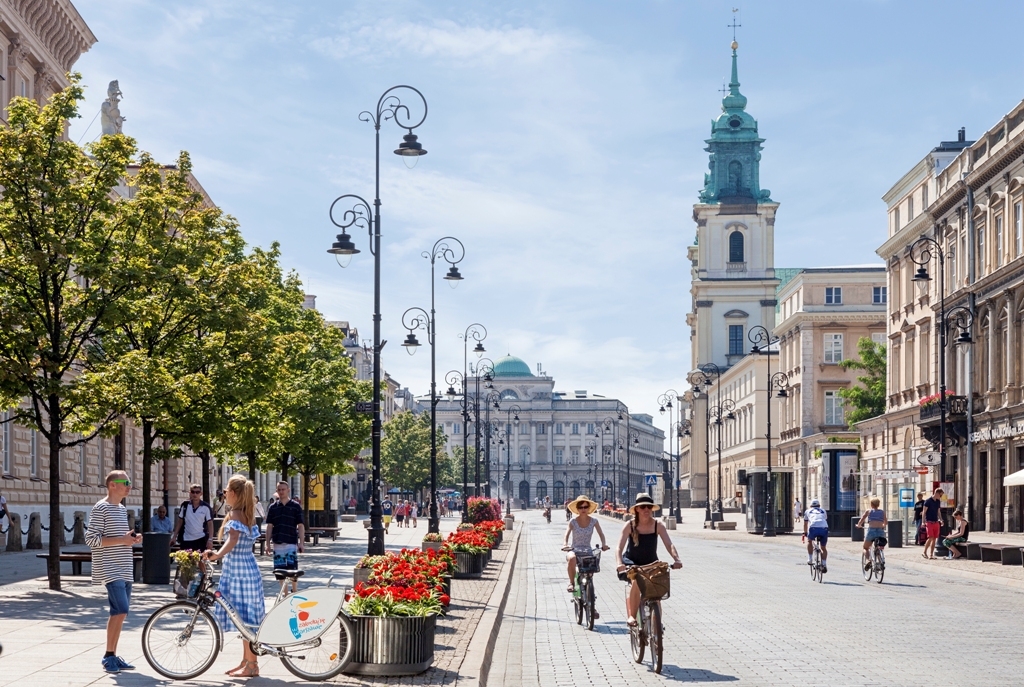
    Start with the Royal Route and the Old Town with the Royal Castle and Sigismund’s Column.
    Royal Castle: 60–90 minutes (online reservation recommended in season).
    Wilanów Palace: 90–120 minutes (worth booking for weekends).
    Selected museum exhibitions: 60–90 minutes (often timed entry).

    Walk through the market square, see the Barbican and the city walls.
    Relax at noon in Łazienki Park.
    Spend the afternoon on one key viewpoint: the Palace of Culture and Science or the University Library rooftop gardens.
    Evening: Vistula boulevards.

    Key stops:
    • Old Town and the Royal Castle
    • Royal Route → Łazienki Park
    • Viewpoint: Palace of Culture and Science or BUW rooftop gardens
    • Vistula boulevards after dark

    What to see in 48 hours to feel the atmosphere of the city?

    Add a museum day and the district of Praga for contrast.

    Day 1 → same as the 24-hour plan.
    Day 2 → Start with the Warsaw Rising Museum, then choose one:
    • POLIN Museum of the History of Polish Jews
    • Fryderyk Chopin Museum

    Afternoon: walk to Praga — murals, street art, old tenements.
    Sunset over the Vistula.

    Key stops:
    • Warsaw Rising Museum
    • POLIN or Fryderyk Chopin Museum
    • Walk through Praga + bridges + riverside

    How to organise a three-day stay without rushing?

    Plan your days by theme: classics, museums, residences + nature, or a short trip outside the city.

    Day 1 → City centre, Old Town, Łazienki
    Day 2 → Museums + Praga
    Day 3 → Wilanów Palace + gardens
    Nature option → Kampinos Forest
    Music option → Żelazowa Wola

    Key stops:
    • Wilanów and gardens
    • Kampinos Forest (light walking routes)
    • Żelazowa Wola (thematic option)

    How to select attractions by interests and sightseeing pace?

    Define a theme and pick 2–3 main points per day.

    Examples:
    History: Royal Castle, Warsaw Rising Museum, POLIN; historical cemeteries
    Architecture: classicism, modernism, new skyline, bridges
    Family: Copernicus Science Centre, parks with playgrounds
    Relax: gardens, boulevards, coffee breaks
    For photography → plan golden hour at a viewpoint.

    How to get around the city quickly and conveniently?

    Combine metro + trams + walking. Add city bikes for short distances.

    • Metro M1/M2 → fast across main axis
    • Trams → reliable in the centre
    • Buses → to Wilanów and Praga
    • Time-based tickets → valid across modes
    • SKM commuter trains → airport
    • Veturilo bikes → excellent in warm months
    • Walking → best in central districts
    • Allow buffer time during rush hours

    Where to find local food and coffee breaks?

    Look for milk bars, market halls and family bistros. Drink coffee in specialty cafés in Śródmieście and Powiśle.

    Food options:
    • Milk bars (pierogi, żurek, cabbage rolls)
    • Market halls & street food
    • Artisan bakeries
    Coffee:
    • Royal Route, Nowy Świat, riverside
    • Powiśle → popular for breakfast
    Vegetarian/vegan options widely available.

    How to build a flexible plan for bad weather?

    Have a list of indoor attractions next to each other + short transfers.

    Good ideas:
    • Museums and palaces
    • Art galleries, exhibitions
    • Copernicus Science Centre
    • Food halls + cafés close to attractions
    When clouds lift → add a viewpoint
    Evening → reserve a restaurant table

    What to pack for a city break without taking unnecessary things?

    Choose light layers and essentials that support long walking days.

    • Comfortable walking shoes
    • Rain jacket or compact umbrella
    • Power bank + charger + headphones
    • Small reusable bottle
    • Zipped cross-body bag
    • ID + reservations on phone
    • Summer: hat + sunscreen
    • Winter: hat + gloves + warm layers

    Warsaw allows you to mix intense sightseeing with moments of calm. A structured plan shortens daily decisions and prevents rushing. Well-chosen stops, a steady pace and a weather-proof backup make the city break enjoyable. Choose your theme and explore at your own rhythm — or with local experts.

    Order your personalised city break plan today!

  • Best Train Routes for Touring Poland and Central Europe

    More and more people are planning to explore Poland and Central Europe by train. It’s a convenient way to travel that connects cities, nature and history at one steady pace. The train gives freedom while allowing you to see more than you would from a car window.

    Here we present scenic routes, practical ticket tips and how to plan a rail itinerary. At the end, we also explain how to turn your ideas into a working day-by-day plan.

    How to plan a rail route around this part of the continent?

    Start with a grid of main hubs and connect them in 3–5 hour segments, leaving room to explore places along the way. Thematic blocks work well, for example “Baltic”, “Tatras”, “Danube and Elbe”. Choose base cities such as Warsaw, Kraków, Gdańsk, Wrocław, Prague, Vienna, Budapest or Bratislava. Between them, weave in shorter journeys to smaller towns. Book at least two nights in each city. Plan connections with a buffer, especially for the last train of the day. On cross-border routes, check whether your ticket covers the entire journey in both countries. The company offers tailor-made rail routes across Poland and Central Europe, combining urban attractions with nature and heritage.

    Which scenic train sections are worth including in your plan?

    These are routes running along rivers, through mountains and near lakes that offer a natural “viewing deck”.

    Poland:
    • Gdynia – Hel. A ride along the narrow peninsula with views of the Baltic.
    • Kraków – Zakopane. Podhale with views of the Tatras in good weather.
    • Kraków – Przemyśl. The Carpathian foothills, river valleys and historic small towns.
    • Ełk – Giżycko – Kętrzyn. Masuria, lakes and forests framed by the train window.
    • Żywiec – Zwardoń. Mountain switchbacks and viaducts near the border.
    • Gdańsk – Malbork – Elbląg. Żuławy lowlands and an impressive approach to Malbork Castle.

    International and cross-border:
    • Wrocław – Jelenia Góra – Szklarska Poręba – Harrachov. Sudetes and Jizera Mountains, tunnels and viaducts.
    • Prague – Dresden. The Elbe Valley with cliffs and riverside castles.
    • Vienna – Graz via Semmering. A historic mountain line listed as World Heritage.
    • Žilina – Poprad-Tatry – Košice. Slovak panoramas beneath the Tatras.
    • Budapest – Balaton region. Views of the largest lake in the region.

    How to use international night trains on your journey?

    To use international night trains, book a sleeping place in advance and think of the night ride as a “hotel on rails”.

    A bed in a couchette or sleeper car offers comfort and saves a day of sightseeing. In many night trains, reservations are mandatory regardless of ticket type. Choose compartments that suit your needs, such as women-only or private. Bring water, light snacks, earplugs and an eye mask. Keep important belongings close to you. In the morning you’ll arrive in a city centre, which simplifies logistics.

    How to optimise your route for travel time and cost?

    To optimise your route, combine daytime rides of 3–5 hours with selected night sections and buy tickets in advance.

    Dynamic fares often reward early purchase. On domestic routes, weekend and group offers may be available. Plan longer stretches without transfers; use regional trains for shorter ones. Avoid peak hours when possible. For the last train of the day, increase the buffer for connections. In larger cities, consider local transport links, such as getting from your hotel to the station. Poland Tour Team can combine train routes with transfers and sightseeing to keep the plan coherent and time-safe.

    How does the ticketing system work and which cards are worth considering?

    The region has many national and regional operators, and some tickets are not mutually accepted, so here are the key aspects of the ticketing system and recommended passes.

    In long-distance trains, seat reservations are often required. You can buy international tickets from selected operators, but sometimes it’s cheaper to split the journey and change tickets at the border. Travellers from outside Europe can consider a pass covering multiple countries. Seat reservations may incur an extra fee. European residents often have access to discount cards in countries where they spend more time. Compare options for your specific route and dates.

    How to prepare for longer train journeys in practice?

    Pack minimally, plan your seating and take care of comfort on board to enjoy the journey.

    Choose a window seat for scenic sections. Bring water, snacks, layered clothing and a power bank. Download tickets and maps for offline access. Check whether the train has catering or vending machines. For night travel, choose a couchette or sleeper. In compartments, keep luggage above your head or within sight. For transfers, keep documents and your ticket handy.

    How to find transfers and short-connection changes at stations?

    To find transfers and short-connection changes, use official journey planners and station maps, and leave a larger buffer for important changes.

    Before travelling, check platform layouts and station exits. Enable delay tracking in carriers’ apps. On the same platform, choose carriages closer to the tunnel or lift exit. If a delay threatens your connection, inform the staff while still on the train. If you miss the connection, go to the ticket office or information point to change your ticket to the earliest possible train according to the carrier’s rules.

    Where to start when planning your own rail route?

    Begin by defining the theme of your trip, the time frame and a list of “must-see” places, then choose 2–3 scenic sections and optionally a night journey.

    Write down your base cities and check daytime travel times between them. Add sightseeing breaks and room for plan changes. Sketch variant A and a shorter backup version. On less obvious routes, check availability of accommodations near the station. If you want a local team to refine the logistics, Poland Tour Team has been creating custom rail travel packages across Poland and the region since 2005. They combine history, nature and culture, organising transport, accommodation, entrance tickets and guiding in selected languages, ensuring a smooth trip.

    Rail journeys across Poland and Central Europe combine comfort with rich landscapes. Good planning and a few smart choices turn travel into part of the experience, not just logistics. It’s worth matching your own rhythm with scenic segments and night routes, and where support is needed, relying on local knowledge and experience.

    Arrange a consultation with Poland Tour Team and plan your rail journey across Poland and Central Europe.

  • Best Poland Tours in 2025 – Complete Guide for First-Time Visitors

    More and more people are planning their first trip to Poland. What attracts them is the diversity: sea, mountains, medieval cities and contemporary culture. The challenge begins when choosing the form of sightseeing. There are many options, and usually less time than ideas.

    This guide shows how to choose the best Poland tour in 2025. You will learn how to assess the programme and difficulty level, plan transport and accommodation, choose a guide, and match the trip to your time and budget. At the end, you will find a list of attractions for a first visit and safety tips.

    How to choose the ideal Poland tour for a first trip?

    Choose a small group, a guaranteed departure date and a programme adjusted to your pace and interests.

    Start by defining your travel style. For many people, classic routes featuring icons of Polish culture and history work well. If you enjoy intense sightseeing, consider a city break with a dense programme. If you prefer flexibility, choose a tailor-made package. A good solution is guaranteed departures that are not cancelled due to a small group. In 2025, short half-day or one-day excursions are also popular and easy to fit into a travel plan. Another category includes thematic, active or religious tours. If you want to combine Poland with neighbouring countries, take advantage of international programmes.

    How to check the programme and difficulty level of tours?

    Look for a clear daily plan with travel times, number of steps or distance, and information about included entrances.

    Pay attention to pace. Descriptions such as light, moderate or active should guide you in assessing your abilities. For hikes, elevation gain, terrain type and required footwear matter. In cities, the number of walking hours and breaks is important. Ask about start and end times of each day, realistic transfer durations and the accommodation location relative to the city centre. Check whether the programme includes an easier day or free time. A good organiser indicates possible route shortcuts and alternatives for poor weather.

    How to plan transport and accommodation during the tour?

    Combine trains between major cities with local transfers and accommodation close to transport or main attractions.

    Between Warsaw, Kraków, Gdańsk and Wrocław, long-distance trains work best. They provide predictable travel times in 2025 and help avoid traffic jams. In tourist regions, private transfers or local transport are useful. For comfort, choose hotels in the centre or near transport hubs. In the summer season, book in advance at the Baltic coast and in the Tatras. For early flights, a hotel near the airport is helpful. Small groups and guaranteed departures usually include luggage handling, check-in assistance and entry tickets, which simplifies travel.

    What to consider when choosing a local guide?

    Choose licensed guides who speak your language, have local experience and confirmed reviews.

    Good guiding is a combination of knowledge and storytelling skills. Local know-how is valuable — knowledge of times without crowds, shortcuts, customs and cuisine. Ask about city or park licences and experience working with children or seniors. Check whether the guide adapts flexibly to weather and group pace. In small groups, the contact tends to be more personal and questions are easier to ask along the way.

    How to match a tour to time limits and budget?

    Narrow down the route and choose a format: half-day, one day, city break, classic route, thematic programme, active or tailor-made.

    If you have very little time, choose a half-day or full-day intensive tour of one city. With four days and three nights, a city break focused on culture and cuisine works well. If you have a week, consider a classic north–south route or the southern mountains with Kraków and Podhale. Budget is easiest to manage by choosing a small group instead of a fully private formula, combining trains with transfers, and scheduling museums on free-admission days, if available. The pricing of attractions and services is usually individual and depends on the season.

    What attractions should be included on a first visit?

    Combine three pillars: historic cities, nature and local flavours.

    In cities, many travellers choose Kraków with Wawel and the Jewish district, Warsaw with its restored Old Town, and Gdańsk with seaside atmosphere and Gothic architecture. In the north, Malbork Castle and medieval Toruń are popular. In the west, Wrocław draws visitors with its bridges and rivers. In nature, the Tatras with valleys and lakes, the Pieniny with river gorges and the Baltic beaches are top picks. Add World Heritage Sites, biosphere reserves and national parks to your plan. Complement the route with cuisine: pierogi, żurek, Baltic fish, mountain cheeses and regional pastries.

    How to stay safe and healthy while travelling?

    Purchase insurance, dress appropriately for the weather, pack a first-aid kit and keep copies of documents.

    Poland has four seasons and the weather can be unpredictable. Layered clothing and comfortable shoes are essential, especially in the mountains and on cobblestone streets. In summer, remember water and sun protection; in winter, thermal clothing and caution on icy pavements. Keep regular medications and remedies for minor issues in your first-aid kit. Offline maps on your phone and a power bank are useful. In religious sites, dress and behaviour rules apply. Knowing local customs and basic Polish phrases is helpful, although city staff often speak English.

    Are you ready to plan your first Poland tour?

    Yes — simply choose the format, date and route, then refine the details with a local expert.

    In 2025, three scenarios work well. The first is a city break as a warm-up, letting you feel the country’s atmosphere within a few days. The second is a small group with a guaranteed date, where logistics are organised and the programme is predictable. The third is a tailor-made plan that adjusts pace, themes and budget to your priorities. Whatever you choose, combining cities with nature and cuisine creates a full picture of Poland and a memorable experience.

    A well-chosen tour saves time and energy while opening the door to authentic places and stories. Start with your interests and real pace, then match logistics and a guide. This approach gives a coherent, stress-free trip and lets you return with the sense that your time was used well.

    Start planning your Poland trip for 2025 and request a personalised initial itinerary.

  • Best Places to Visit on Your Poland Tour (Hidden Gems Included)

    More and more people plan their trip around Poland in a way that lets them feel the atmosphere of cities, nature and cuisine in just a few days. At the same time, they don’t want to waste time on random places from a map. They look for routes that combine “must-see” attractions with less obvious spots. And that is exactly what this 2025 guide is about.

    Here you’ll find proven ideas for building your route, suggestions with hidden gems, culinary inspiration and practical tips for trails, museums and accommodation. It’s material for those who want to travel smart, comfortably and with variety.

    How to plan a route that lets you see diverse attractions across the country?

    The most convenient approach is to build your trip around several hubs and take short thematic loops from them.

    Cities with excellent connections include Warsaw, Kraków, Gdańsk and Wrocław. From each of them you can plan 1–2 day trips into nature and to smaller towns. Fast rail lines also operate here, shortening transfers. Good loop ideas include: Tricity with Kashubia and the Hel Spit; Kraków with the Kraków-Częstochowa Upland and the Tatras; Wrocław with the Karkonosze and Table Mountains; Warsaw with Kampinos Forest and Mazovia.

    Include UNESCO World Heritage Sites and UNESCO biosphere reserves in your plan. If you like ready-made formats, Poland Tour offers City Breaks, Classic Tours and Thematic Tours. For active travellers, there are Active Tours, and for groups and families — guided trips within Guaranteed Departures as well as 1-day and half-day trips. Programmes can be combined and personalised.

    Where to find lesser-known yet exceptional places worth visiting?

    Look for them in landscape parks, former provinces and post-industrial regions that now thrive with culture.

    • Błędów Desert on the border of Małopolska and Silesia — a rare European landscape of sands and heather.
    • Milicz Ponds in the Barycz Valley — a peaceful haven for birds and cyclists.
    • Chełm and its chalk underground tunnels — cool, white corridors beneath the town.
    • Nikiszowiec in Katowice — a historic miners’ estate with courtyards and local crafts.
    • Roztocze — hills, river cascades and wooden small towns.
    • Stilo Lighthouse and wild beaches north of Lubiatowo — fewer crowds than in popular resorts.
    • Błędne Skały in the Table Mountains — a natural labyrinth with narrow passages.
    • Krutynia in Masuria — a classic kayaking route in a pastoral landscape.
    • Tykocin and Supraśl in Podlasie — wooden architecture, borderland culture, local flavours.

    How to discover authentic culinary experiences during your trip?

    The best clues are local markets, milk bars, family bistros and seasonal festivals.

    In cities, visit marketplaces such as Stary Kleparz in Kraków, Hala Mirowska in Warsaw and Hala Targowa in Gdańsk. Look for regional dishes on the menu. In Podhale: oscypek from shepherd huts and kwaśnica. On the Baltic coast: fish from small smokehouses. In Poznań: St. Martin’s croissants. In Podlasie: sękacz and kartacze.
    Keep an eye out for young vineyards around Sandomierz, Jasło and Zielona Góra. Many cities are also developing craft breweries and food-hall spaces in former factories. Poland Tour also organises private tasting dinners and workshops, which help you explore cuisine beyond the usual routes.

    How to combine sightseeing with nature-based relaxation?

    Plan alternating days and choose cities with easy access to greenery, water and light trails.

    Gdańsk can be paired with the beaches of Sobieszewo Island and walks along the Hel Spit. Wrocław works well with a day trip to the Karkonosze or the Barycz Valley. Kraków pairs excellently with Ojców National Park, Błędów Desert and Beskid valleys. Warsaw offers quick access to Kampinos National Park and Zegrze Reservoir. Toruń is a good base for Tuchola Forest. In Podhale, hot springs in Chochołów or Bukowina make for perfect relaxation. This rhythm lets you absorb history while still resting.

    How to select walking and cycling routes suitable for everyone?

    Choose well-marked routes with shortcut options and easy access by public transport.

    • Green Velo in eastern Poland — long but divisible into family-friendly sections with service points and maps.
    • Velo Dunajec — a scenic route in Małopolska, with restaurants and attractions along the way.
    • Vistula Bicycle Route — urban and suburban sections great for shorter rides.
    • R10 along the Baltic — sea panoramas and simple stages between small towns.
    • Kościeliska and Chochołowska Valleys in the Tatras — calmer valley walks.
    • Błędne Skały and Szczeliniec in the Table Mountains — short, impressive routes with visitor infrastructure.
    • Ojców National Park — half-day loops with castles within reach.
    • Boardwalks in wetland parks, such as Długa Luka near the Biebrza — close to nature and easy for children.

    In cities, good options include the Vistula boulevards in Warsaw, riverside paths in Wrocław and Poznań’s Lake Malta with its wide alleys. Within Active Tours, Poland Tour tailors difficulty levels, pace and transfers, making group travel easier for varied fitness levels.

    How to find unique museums and non-touristy spaces?

    Target institutions located in former factories and mines, as well as modern centres of art and science.

    • EC1 in Łódź — a revitalised power plant with science and culture.
    • Emigration Museum in Gdynia — a contemporary story about journeys and identity.
    • Hydropolis in Wrocław — an interactive space dedicated to water.
    • Museum of Coal Mining in Zabrze, including Guido Mine and Queen Louise Adit — authentic underground experiences.
    • Neon Museum in Warsaw — icons of urban typography and design.
    • Cricoteka and MOCAK in Kraków — contemporary art and theatre in inspiring spaces.
    • Open-air museums in Sanok, Sierpc and Lublin — living villages with crafts and wooden architecture.
    • European Solidarity Centre in Gdańsk — a modern historical narrative.

    In Thematic Tours and Historical Tours, Poland Tour combines these places with UNESCO sites such as Wieliczka, Malbork Castle or Centennial Hall in Wrocław.

    How to plan accommodation that delivers local atmosphere and comfort?

    A good mix includes intimate guesthouses, farm stays and hotels in historic buildings.

    In cities, look for boutique places in townhouses close to markets and cafés. In the countryside, farm stays with regional breakfasts and quiet surroundings work perfectly. In the mountains, the atmosphere is built by shelters and guesthouses with views. On the coast, small villas and forest-hidden spots are popular. Glamping in quiet zones is increasingly available. In Lower Silesia you can even find palaces and former residences.
    Poland Tour works with reliable local partners, making it easier to combine atmosphere with the logistics of the whole route.

    How to prepare your trip to catch seasonal events and festivals?

    The key is knowing regional calendars and planning the route around selected celebrations and festivals.

    In spring, there are Easter markets and local craft holidays. In summer, outdoor events and festivals take over — including St. Dominic’s Fair in Gdańsk, seaside concerts and ethnic festivals in the south. Kraków attracts visitors with the Jewish Culture Festival, and the Tricity hosts major music festivals. In autumn, vineyards ripen and harvest events, flavour fairs, and film and literary festivals occur. In winter, cities brighten with Christmas markets, while the mountains host the skiing and sleigh-ride season. Poland Tour builds programmes that weave these events into smooth logistics and sensible transfers.

    Poland is at its best when you combine great stories with everyday detail. This guide leads you from UNESCO-listed monuments to quiet boardwalks over marshlands. It gives you starting points for your own tailor-made route. In 2025, focus on variety, short loops from good hubs and local flavours. With that, your trip will be calm, meaningful and memorable.

    Order your personalised programme with Poland Tour today!

  • Best Day Trips from Kraków, Warsaw and Gdańsk

    A one-day escape from Kraków, Warsaw or Gdańsk is a way to reset quickly. More and more people look for plans that combine easy access, strong impressions and organisational ease. The key is matching the route well to the time, weather and personal preferences.

    We present simple rules for choosing a day trip, proven destinations from the three major cities, and logistical tips that will help you avoid rushing and see what matters most.

    How to choose a one-day trip from a major Polish city?

    Choose a destination within comfortable travel distance and base your plan on one main theme of the day.

    Start by determining how much time you want to spend on the road. For comfort, choose destinations with direct access and short local transfers. Check opening hours and possible reservations. It is also worth planning a lunch stop right away. Here are destinations that tend to “fit well” within a day:

    From Kraków: Wieliczka Salt Mine, Ojców National Park with Pieskowa Skała, Oświęcim, Zakopane or a Dunajec Gorge rafting trip.

    From Warsaw: Kampinos National Park, Żelazowa Wola, Nieborów and Arkadia, Modlin Fortress, Kazimierz Dolny.

    From Gdańsk: Malbork Castle, Hel Peninsula, Słowiński National Park, Kashubia, Sopot and Gdynia.

    How to adapt your route to weather and season?

    Have a plan for sun and rain, plus a shorter winter version of the route.

    In summer, choose nature, water and longer walks. Good options include Hel, the dunes of Słowiński Park, the Jurassic valleys near Kraków or trails in Kampinos. In spring and autumn, choose routes that mix outdoor and indoor attractions—such as a castle plus garden, or a park plus museum.
    In rain, shift the focus indoors. Around Gdańsk this includes the European Solidarity Centre and the Museum of the Second World War. Around Kraków, Wieliczka’s underground is an excellent option. From Warsaw, residences and museums work well.

    In winter, shorten the list of stops and account for shorter daylight hours. When it’s freezing, consider hot springs in Podhale or warm cafés and exhibitions as recovery breaks. If your plan includes UNESCO sites, check availability of specific routes and time slots.

    How to take a one-day trip without a car?

    Use trains, SKM commuter rail, buses and organised transfers.

    Between major cities and popular destinations, frequent trains and buses operate. From Gdańsk you can reach Sopot and Gdynia via SKM, and Malbork or Hel in season via regional trains. From Kraków, trains operate to Wieliczka and regional buses reach Ojców. From Warsaw, suburban buses lead toward Kampinos, and trains serve directions like Łódź or Płock.

    It’s worth buying tickets in advance, especially on busy weekends. If you value a guide’s care and efficient transfers, consider small-group guaranteed departures or private hotel pickups. Operators such as Poland Tour Team offer half-day and full-day tours, which simplifies logistics.

    How to plan your time to fit the key highlights into one day?

    Create a simple rhythm for the day and stick to it.

    A practical structure is: morning travel, main attraction before noon, a meal break, a lighter second attraction, return before evening.
    It helps to limit the number of points and book entry when possible. Include time for getting around and possible queues. Eat at a reliable place or one close to the route. Leave buffer time for unexpected situations.
    If the plan involves nature, check sunrise and sunset times and trail conditions. If using public transport, save alternative return connections.

    How to choose a route based on attraction type: culture or nature?

    Set a main theme and add complementary elements that won’t disrupt the day’s rhythm.

    If culture is the priority, choose castles, palaces, museums and historical towns. From Gdańsk this includes Malbork; from Warsaw — Nieborów and Arkadia; from Kraków — Wieliczka or Oświęcim.
    If you’re seeking nature, choose national and landscape parks, beaches or mountains. From Kraków this means Ojców National Park and Pieniny; from Warsaw — Kampinos; from Gdańsk — Hel, Kashubia or Słowiński Park.

    A good solution is a mix: start with intense sightseeing, then add a walk by the water or an easy trail. Avoid combining two distant, time-consuming points in one day.

    How to find lesser-known places worth visiting near the city?

    Look beyond top lists and rely on local insight.

    Tourist maps, trail apps and park profiles are helpful. Local tourist information centres are also worth visiting. Search for open-air museums, small museums, castle ruins and nature reserves. Examples include Rabsztyn Castle or Lipnica Murowana near Kraków, Fort III in Pomerania and Kartuzy in Kashubia, or quiet corners of the Vistula valley near Warsaw.

    You gain a lot by working with a local operator. Poland Tour Team has been designing tailor-made trips since 2005 and knows lesser-known routes around Kraków, Warsaw and Gdańsk. The team combines history, nature and cuisine, including thematic, active and religious trips.

    How to set priorities so you don’t waste the day on secondary stops?

    Give one point the role of the main highlight and add no more than two short extras.

    Make a “must-see” and “nice-to-have” list. Evaluate travel time, duration of sightseeing, required reservations and possible queues. Choose points located along the way to avoid extra kilometres. Examples of day layouts:

    From Kraków:
    • Ojców National Park + Pieskowa Skała.
    Alternatively, Wieliczka + a walk in a park near Kraków or dinner in the city.

    From Warsaw:
    • Nieborów and Arkadia + a short stop in Żelazowa Wola.
    Alternatively, Kampinos + Museum in Sochaczew.

    From Gdańsk:
    • Malbork + an evening walk along the Motława after returning.
    Or Hel beach + the seal sanctuary or lighthouse.

    Loop-shaped routes work well. They help avoid unnecessary transfers and make it easier to stick to timing. If travelling with children or a group, plan shorter segments and more frequent breaks.

    A wisely chosen trip fits into one day without rushing. The key is simple selection criteria, two weather-dependent versions of the plan, and a short list of priorities. Local tips and organisational support make the journey smoother and add value to the whole experience.

    Plan your personalised one-day trip today!

  • Baltic States Extension – Add Lithuania, Latvia & Estonia to Your Poland Tour

    More and more people combine a trip around Poland with a short extension to the Baltic States. It is close, logistically simple and very diverse. In just a few days, you can go from Polish market squares to the medieval streets of Vilnius, art déco in Riga and the walls of Tallinn.

    In this guide you will find the route structure, transport, time allocation and attractions outside the capitals. Plus practical tips on formalities, accommodation and the culture of the region. All from the perspective of planning an extension to an already prepared Poland tour.

    How to extend your Poland tour with Lithuania, Latvia and Estonia?

    The simplest option is to add 6–10 days and create an arc Warsaw or Gdańsk – Vilnius – Riga – Tallinn, returning to Poland by plane. This layout limits repeated transfers and allows you to find a steady touring rhythm. The start conveniently works in Warsaw or Gdańsk. Next, head to Vilnius, then to Riga and Tallinn. It is best to plan the return by air.
    Alternatively, the route can go along the coast: Gdańsk – Klaipėda – Riga – Tallinn with optional Baltic outings. Poland Tour Team, as a local inbound operator, designs such extensions as tailor-made trips and within international group programmes.

    How to plan an optimal route through the three Baltic countries?

    A one-way route between the capitals with one or two excursions outside the cities works best. In practice, the most convenient variants are:

    • Classic: Warsaw – Vilnius – Riga – Tallinn – return flight.
    • Coastal: Gdańsk – Klaipėda and the Curonian Spit – Riga – Tallinn.
    • Fast pace: capitals only, no long detours.
    • Thematic: history and UNESCO, nature and parks, cuisine and crafts.

    It is worth considering flying in one direction and returning from another city. Closing the loop by ferry from Tallinn to Helsinki and continuing by plane also works well. For groups, private transfers and flexible daily adjustments are available.

    What are the practical transport options between the stops on the route?

    Between the capitals there are convenient flights, a dense network of long-distance buses and selected rail connections.

    • Regional flights shorten travel time and work well with tight schedules.
    • Trains connect some sections but often require changes and are slower than buses.
    • Buses between cities run frequently, are punctual and reach central locations.
    • A car provides freedom when visiting national parks and islands; Schengen borders are crossed without checks.
    • The Tallinn–Helsinki ferry is a popular programme addition.
    • Private transfers simplify group logistics and allow matching the pace to the touring plan.

    Poland Tour Team provides full transport handling within the package, which simplifies planning and minimises transfers.

    How to allocate time to see the most important places in each country?

    A good minimum is two full days for each capital plus one day for a nearby excursion.

    Sample pace:

    Vilnius:
    • UNESCO Old Town
    • Gate of Dawn
    • Užupis district
    • Trip to Trakai or the archaeological site in Kernavė

    Riga:
    • Art Nouveau district
    • Central market hall
    • UNESCO Old Town
    • Trip to Gauja National Park or seaside Jūrmala

    Tallinn:
    • Medieval Upper and Lower Town (UNESCO)
    • Modern port districts
    • Trip to Lahemaa or Tartu

    With a longer stay, you can add Klaipėda and the Curonian Spit, Kuldīga in Latvia or Estonia’s Saaremaa.

    What attractions and experiences are worth adding beyond the capitals?

    Around the capitals you will find UNESCO sites, wild nature and smaller towns with local character.

    Lithuania:
    • Trakai with the castle on Lake Galvė
    • The Curonian Spit and Nida with shifting dunes
    • Hill of Crosses near Šiauliai
    • Kernavė – UNESCO archaeological landscape
    • Aukštaitija and Dzūkija parks with lakes and pine forests

    Latvia:
    • Gauja National Park, Sigulda and Turaida Castle
    • Jūrmala with wooden architecture and wide beach
    • Kuldīga with the Venta rapid
    • Rundāle Palace, a baroque gem

    Estonia:
    • Lahemaa with bog trails and manor houses
    • Soomaa with kayaking and the “fifth season” phenomenon
    • Tartu with the National Museum and academic atmosphere
    • Pärnu as a summer capital; islands Saaremaa and Hiiumaa with castles and calm pace

    Poland Tour Team arranges private entries to selected sites and nature activities as part of thematic and incentive programmes.

    What formalities and documents should you check before departure?

    Poland, Lithuania, Latvia and Estonia are in the Schengen zone, so travel is simple, but it is worth verifying:

    • EU citizens travel with an ID card or passport; non-EU citizens require a passport and possibly a Schengen visa.
    • Travel insurance covering medical care and assistance is recommended.
    • EU driving licences are recognised; otherwise an international driving permit may help.
    • There are usually no border checks, but occasional controls may happen.
    • Currency: euro in Lithuania, Latvia and Estonia; złoty in Poland.
    • Cards are widely accepted, but cash is useful in small places.
    • Entry rules can change — check official sources before travelling.

    Poland Tour Team helps match documents and requirements to the specifics of the group.

    How to plan accommodation and optimise the budget during the tour?

    The most convenient option is booking accommodation in city centres or transport hubs, combining 2–3 nights in one place.

    • In cities: hotels in historic areas or apartments near public transport.
    • Outside cities: guesthouses, farm stays, small lodges near parks.
    • Summer has high occupancy; spring and autumn offer more availability.
    • Savings: stays with breakfast, early reservations, bundled services.
    • Groups benefit from fixed routes and joint cost settlements.

    Poland Tour Team ensures consistent standards, good location for touring and smooth on-site service.

    How to prepare for cultural and language differences in the region?

    • English is widely used in tourism, but local languages add respect and authenticity.
    • Basic words in Lithuanian, Latvian and Estonian are appreciated.
    • Older residents may speak Russian; younger — English.
    • Punctuality, calm communication and discretion in public transport are valued.
    • Tips are not obligatory but appreciated.
    • Cuisine: rye bread, fish, game, berries, Lithuanian cold soup.
    • Important summer solstice holidays: Joninės (Lithuania), Jāņi (Latvia), Jaanipäev (Estonia).
    • Winter charm: Christmas markets and illuminated old towns.

    Poland Tour Team guides provide cultural context and stories that help understand the region.

    A well-planned Baltic extension enriches your Poland tour with three distinct perspectives without complicating logistics. A clear route, smart time allocation and selected excursions create a balanced journey. In 2025 it is worth focusing on clarity and proven organisation to enjoy the experience rather than operational details.

    Contact Poland Tour Team and plan a personalised Baltic extension to your Poland tour.

  • Active Tours in Poland – Hiking, Kayaking, Cycling & Outdoor Adventures

    More and more people combine hiking, kayaking and cycling into a single trip. It’s a great way to see Poland from different perspectives and at your own pace. Such a plan, however, requires a few clever decisions. In this guide you will find concrete tips from preparation, through logistics and safety, to environmental impact.

    You will learn what to pack, how to assess the abilities of the group and how to organise accommodation, transport and service. At the end there is a short list of steps that will let you start planning right away.

    How to prepare for an active trip combining hiking, kayaking and bike rides?

    Start with a simple fitness assessment, a flexible plan and two route options for each day.

    Set the goals for the day and a time margin for breaks and weather. Write down plan A and a shorter plan B. Check local regulations and seasons in parks, water levels on rivers and trail closures. Divide roles in the group, for example navigation, first aid kit, maintenance. Do short gear tests before departure. Regular walks, light jogs and easy bike rides for a few weeks will improve comfort on the route. Plan an adaptation day after arrival, especially in the mountains.

    How to choose a route and pace that match the group’s abilities?

    Adjust the route to the weakest link and plan breaks before fatigue appears.

    Collect information about participants’ experience in the mountains, on the water and on the bike. Estimate hiking in the mountains at a moderate pace and add extra time for ascents and photos. On the water, take into account the current, portages and wind. On the bike, choose surfaces that match skills, avoid long sections on busy roads. Set common checkpoints and a cut-off time for shortening the route. For children and people returning to fitness, plan shorter stages and a recovery day.

    What to pack for a multi-day hike and what for a kayak trip?

    Focus on layers, protection from sun and water, and secure electronics and documents in waterproof cases.

    For a hike it’s worth taking:

    •  trekking shoes broken in before the trip and technical socks
    •  layered clothing, a hat and a lightweight rain jacket
    •  a backpack with a hip belt and a rain cover
    •  offline navigation on your phone and a power bank
    •  a bottle or hydration bladder, a filter or purification tablets
    •  a first aid kit, an emergency blanket, blister plasters
    •  high-calorie snacks
    •  a headlamp and a small knife or multitool

    For a kayak trip you will need:

    • waterproof roll-top bags and a phone case
    • water shoes or sandals with a closed toe
    • a light rain jacket and quick-dry clothing
    • kayaking gloves and sunscreen
    • a rope, repair tape, a sponge and a bailer
    • a supply of water and high-calorie snacks in containers

    How to prepare your bike and protect your gear from breakdowns?

    Have your bike serviced before the trip and carry a basic repair kit on the route.

    Check tyres, brakes, pads, cables, chain and drivetrain. Tighten bolts and adjust gears. Take things you actually know how to use. Plan how to protect your phone, documents and cash from rain. Consider puncture-resistant tyres and fresh sealant in a tubeless system. For the trip pack:

    • a spare tube or a sealant insert
    •  tyre levers, patches and glue
    •  a multitool with hex keys and a chain breaker
    •  a pump or a CO2 cartridge
    •  a quick link for the chain and a few zip ties
    •  a small tyre boot and repair tape

    On a kayak, protect gear in dry bags and place heavier items low and centrally to maintain stability.

    How to optimise logistics: accommodation, transport and service points?

    Plan ahead and build the route around reliable accommodation, smooth access and available services.

    Choose a loop model with one base accommodation or a point-to-point route from A to B with luggage transfer. Check access by train and bus, especially if you return from a different town than you start in. Book accommodation close to trails, marinas and cycle route junctions. Pay attention to gear storage, drying facilities and early breakfasts. Mark shops, rentals, bike repair shops and kayak put-in points on the map. Download offline maps and save alternative stops. When planning for high season, choose flexible cancellation terms.

    How to take care of safety, rescue and communication in the field?

    Have a communication plan, appropriate insurance and skills suited to the conditions you’ll be in.

    Buy insurance that covers mountain sports, cycling and water sports. Set rules for moving as a group and a turnaround time that is non-negotiable. Write down emergency numbers and addresses of the nearest medical facilities and keep them offline. Learn basic navigation and distress signals. Carry a first aid kit with gloves, dressings, an elastic bandage and a thermal blanket. Protect your phone in a case and use location sharing. In the mountains, check avalanche and weather bulletins, and on rivers, water levels as well as weirs and portages.

    How to minimise your impact on nature during outdoor trips?

    Follow Leave No Trace principles and plan your actions so that your footprint is as small as possible.

    Stick to marked trails and waters open to traffic. Respect protected zones and breeding seasons. Limit noise, especially at dawn and dusk. Take all waste with you, including biodegradable scraps. Use reusable bottles and containers. Camp only in designated places and cook on a stove, not on an open fire. Use biodegradable washing products away from water. Support local services and products by choosing options with a smaller transport footprint.

    Where should you start when planning your next active adventure?

    Start with choosing the goal of the trip and the time frame, then adjust the route and team to that plan.

    Think about what should be the main theme. Mountain panoramas, the silence of lakes or coastal cliffs. Choose the region and time of year. Define the number of days and your preferences for accommodation and meals. Check who in the group has experience on the water, in mountain terrain and on the bike. Set the scope of responsibilities and a budget broken down into categories. If you want to benefit from local knowledge and proven logistics, consider Active Tours with Poland Tour Team. The company has been operating since 2005, designs tailor-made routes in Poland and in neighbouring countries, and the programme can combine hiking, kayaking and cycling with encounters with culture and cuisine.

    A well-planned trip means peace of mind and more fun on the route. Take care to match the route to the group, keep backpacks light and have a backup plan. Respect for nature and a few simple habits will make you come back energetic and ready for your next trip.

    Send an enquiry about Active Tours and plan your route with Poland Tour Team today!