


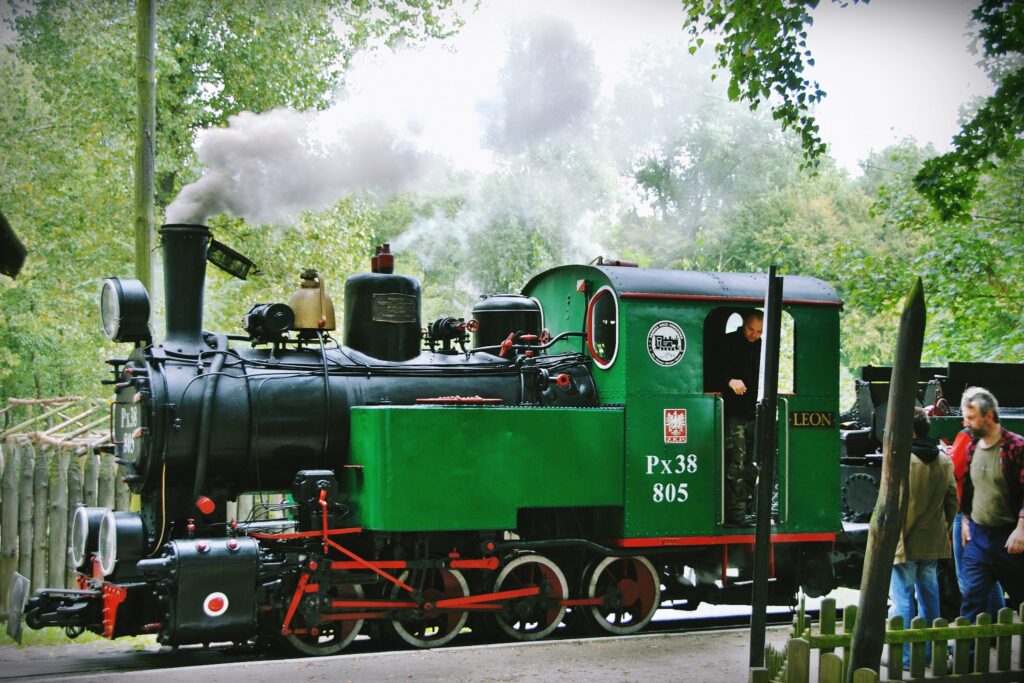
More and more people are planning to explore Poland and Central Europe by train. It’s a convenient way to travel that connects cities, nature and history at one steady pace. The train gives freedom while allowing you to see more than you would from a car window.
Here we present scenic routes, practical ticket tips and how to plan a rail itinerary. At the end, we also explain how to turn your ideas into a working day-by-day plan.
How to plan a rail route around this part of the continent?
Start with a grid of main hubs and connect them in 3–5 hour segments, leaving room to explore places along the way. Thematic blocks work well, for example “Baltic”, “Tatras”, “Danube and Elbe”. Choose base cities such as Warsaw, Kraków, Gdańsk, Wrocław, Prague, Vienna, Budapest or Bratislava. Between them, weave in shorter journeys to smaller towns. Book at least two nights in each city. Plan connections with a buffer, especially for the last train of the day. On cross-border routes, check whether your ticket covers the entire journey in both countries. The company offers tailor-made rail routes across Poland and Central Europe, combining urban attractions with nature and heritage.
Which scenic train sections are worth including in your plan?
These are routes running along rivers, through mountains and near lakes that offer a natural “viewing deck”.
Poland:
• Gdynia – Hel. A ride along the narrow peninsula with views of the Baltic.
• Kraków – Zakopane. Podhale with views of the Tatras in good weather.
• Kraków – Przemyśl. The Carpathian foothills, river valleys and historic small towns.
• Ełk – Giżycko – Kętrzyn. Masuria, lakes and forests framed by the train window.
• Żywiec – Zwardoń. Mountain switchbacks and viaducts near the border.
• Gdańsk – Malbork – Elbląg. Żuławy lowlands and an impressive approach to Malbork Castle.
International and cross-border:
• Wrocław – Jelenia Góra – Szklarska Poręba – Harrachov. Sudetes and Jizera Mountains, tunnels and viaducts.
• Prague – Dresden. The Elbe Valley with cliffs and riverside castles.
• Vienna – Graz via Semmering. A historic mountain line listed as World Heritage.
• Žilina – Poprad-Tatry – Košice. Slovak panoramas beneath the Tatras.
• Budapest – Balaton region. Views of the largest lake in the region.
How to use international night trains on your journey?
To use international night trains, book a sleeping place in advance and think of the night ride as a “hotel on rails”.
A bed in a couchette or sleeper car offers comfort and saves a day of sightseeing. In many night trains, reservations are mandatory regardless of ticket type. Choose compartments that suit your needs, such as women-only or private. Bring water, light snacks, earplugs and an eye mask. Keep important belongings close to you. In the morning you’ll arrive in a city centre, which simplifies logistics.
How to optimise your route for travel time and cost?
To optimise your route, combine daytime rides of 3–5 hours with selected night sections and buy tickets in advance.
Dynamic fares often reward early purchase. On domestic routes, weekend and group offers may be available. Plan longer stretches without transfers; use regional trains for shorter ones. Avoid peak hours when possible. For the last train of the day, increase the buffer for connections. In larger cities, consider local transport links, such as getting from your hotel to the station. Poland Tour Team can combine train routes with transfers and sightseeing to keep the plan coherent and time-safe.
How does the ticketing system work and which cards are worth considering?
The region has many national and regional operators, and some tickets are not mutually accepted, so here are the key aspects of the ticketing system and recommended passes.
In long-distance trains, seat reservations are often required. You can buy international tickets from selected operators, but sometimes it’s cheaper to split the journey and change tickets at the border. Travellers from outside Europe can consider a pass covering multiple countries. Seat reservations may incur an extra fee. European residents often have access to discount cards in countries where they spend more time. Compare options for your specific route and dates.
How to prepare for longer train journeys in practice?
Pack minimally, plan your seating and take care of comfort on board to enjoy the journey.
Choose a window seat for scenic sections. Bring water, snacks, layered clothing and a power bank. Download tickets and maps for offline access. Check whether the train has catering or vending machines. For night travel, choose a couchette or sleeper. In compartments, keep luggage above your head or within sight. For transfers, keep documents and your ticket handy.
How to find transfers and short-connection changes at stations?
To find transfers and short-connection changes, use official journey planners and station maps, and leave a larger buffer for important changes.
Before travelling, check platform layouts and station exits. Enable delay tracking in carriers’ apps. On the same platform, choose carriages closer to the tunnel or lift exit. If a delay threatens your connection, inform the staff while still on the train. If you miss the connection, go to the ticket office or information point to change your ticket to the earliest possible train according to the carrier’s rules.
Where to start when planning your own rail route?
Begin by defining the theme of your trip, the time frame and a list of “must-see” places, then choose 2–3 scenic sections and optionally a night journey.
Write down your base cities and check daytime travel times between them. Add sightseeing breaks and room for plan changes. Sketch variant A and a shorter backup version. On less obvious routes, check availability of accommodations near the station. If you want a local team to refine the logistics, Poland Tour Team has been creating custom rail travel packages across Poland and the region since 2005. They combine history, nature and culture, organising transport, accommodation, entrance tickets and guiding in selected languages, ensuring a smooth trip.
Rail journeys across Poland and Central Europe combine comfort with rich landscapes. Good planning and a few smart choices turn travel into part of the experience, not just logistics. It’s worth matching your own rhythm with scenic segments and night routes, and where support is needed, relying on local knowledge and experience.
Arrange a consultation with Poland Tour Team and plan your rail journey across Poland and Central Europe.


